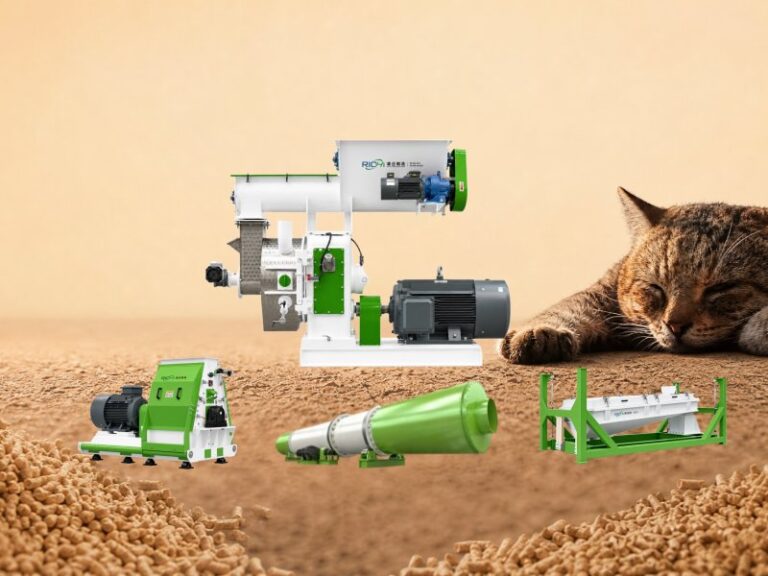




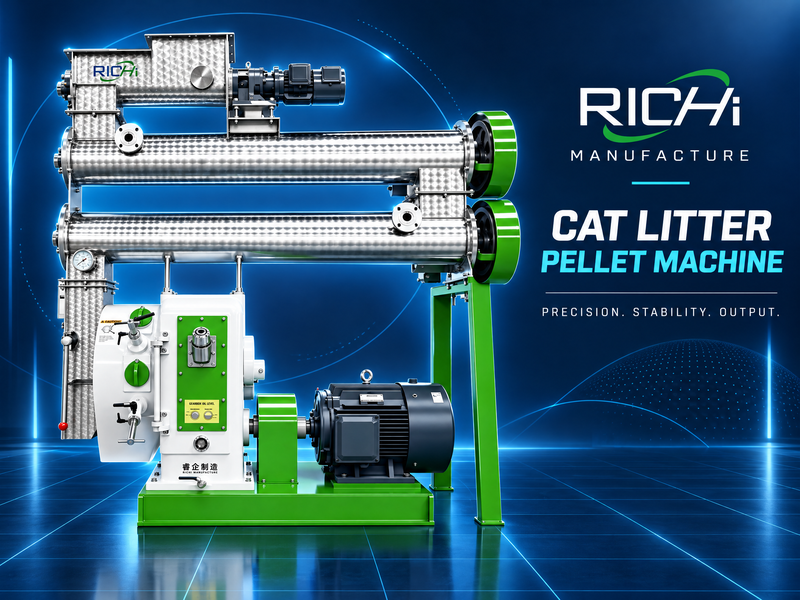
Converting Sawdust into a Reliable Wood-Based Cat Litter Product
Using Wood Processing Residues as a Manufacturing Resource Sawdust from woodworking and timber processing can…
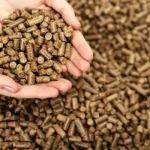
Using Wood Processing Residues as a Manufacturing Resource Sawdust from woodworking and timber processing can…
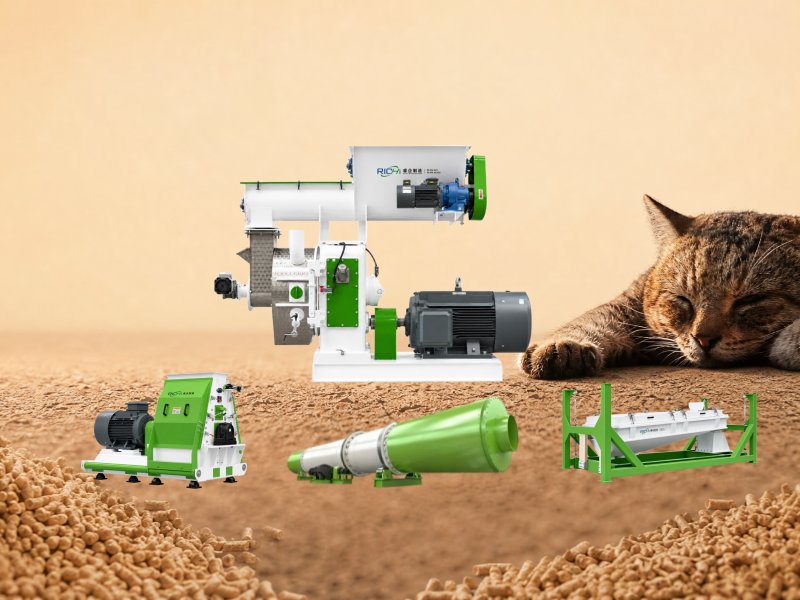
The Pet-Litter Market Is Changing Cat litter used to be viewed almost entirely as a…
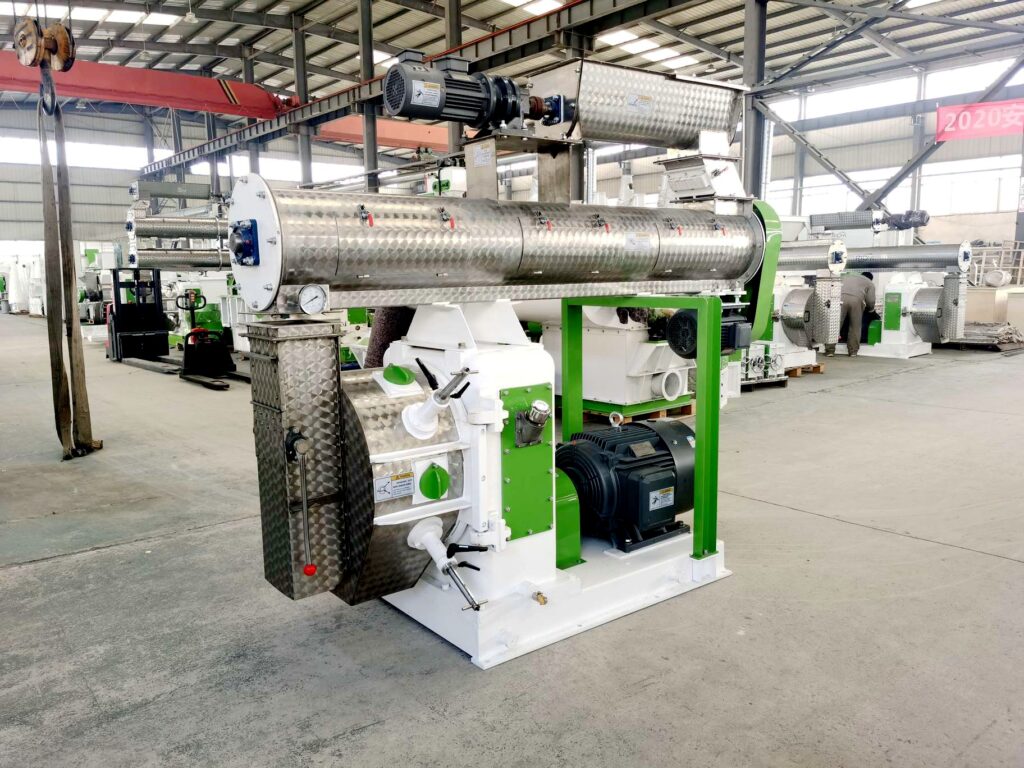
Commercial feed manufacturing keeps expanding across emerging agricultural markets. Many new mill operators quickly realize…

Wood drying is an essential process in many biomass processing applications, especially when wood materials…
Using Wood Processing Residues as a Manufacturing Resource Sawdust from woodworking and timber processing can provide a useful raw material for wood-based cat litter when its properties and source are suitable. However, sawdust is not a uniform material. Particle size, moisture, wood species, contamination, and storage conditions can differ substantially between suppliers. These variations influence…
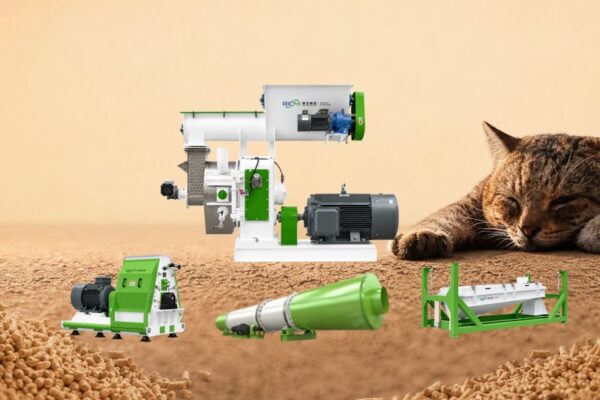
The Pet-Litter Market Is Changing Cat litter used to be viewed almost entirely as a functional household product. Consumers needed something that absorbed moisture, controlled odor and was easy to clean. Today, purchasing decisions can be more complicated. Pet owners are increasingly paying attention to material origin, dust, transport weight, packaging, environmental positioning and the…
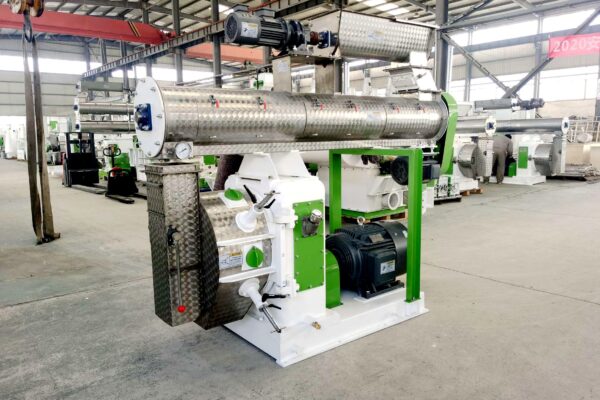
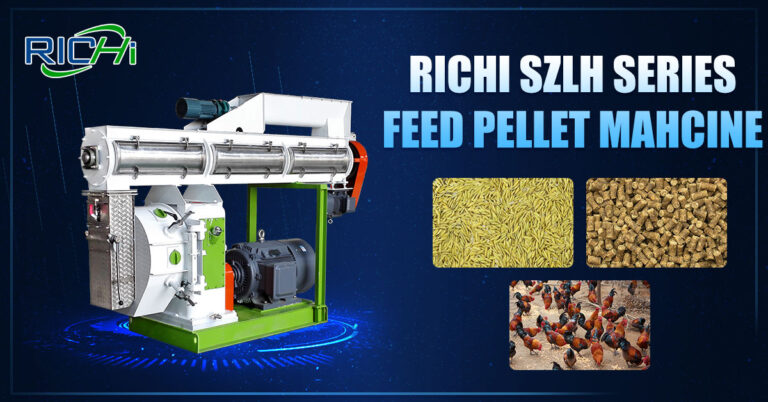
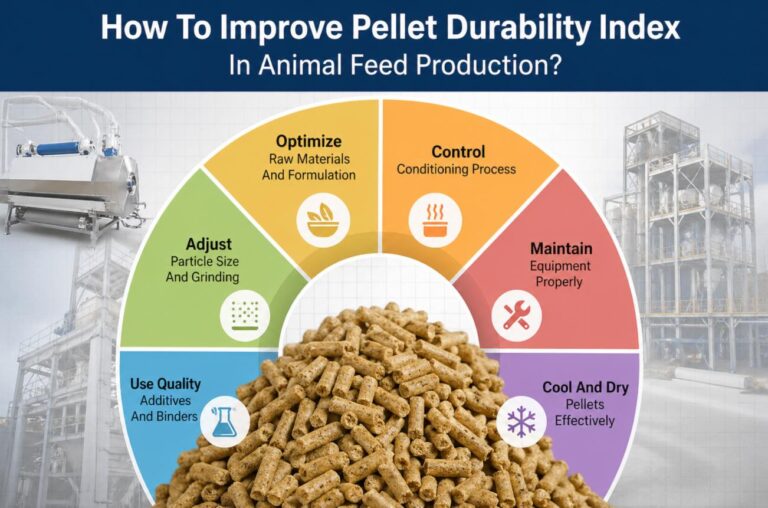
Commercial feed manufacturing keeps expanding across emerging agricultural markets. Many new mill operators quickly realize that buying machinery is only one small piece of the whole business puzzle. Even identical equipment can deliver very different hourly output, pellet durability, and long‑term operating costs. Plant layout, raw material preparation, operator skill, spare‑part management, and service support…

Wood drying is an essential process in many biomass processing applications, especially when wood materials are used for pellet production, briquetting, animal bedding, fuel production, or other downstream processing. The correct drying temperature helps remove excess moisture efficiently while maintaining stable material quality and reducing unnecessary energy consumption. However, there is no single temperature that…
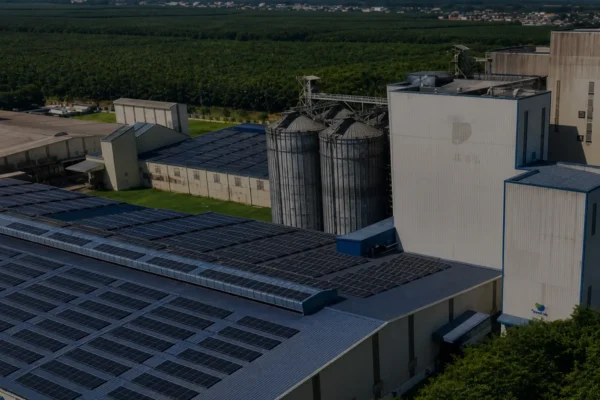
Setting up a feed manufacturing facility involves much more than purchasing a pellet mill and a mixer. The quality of the final product depends on how raw materials are selected, prepared, weighed, mixed, conditioned, pelleted, cooled, and stored. For a farm that wants to produce its own feed, the process may be relatively simple. A…
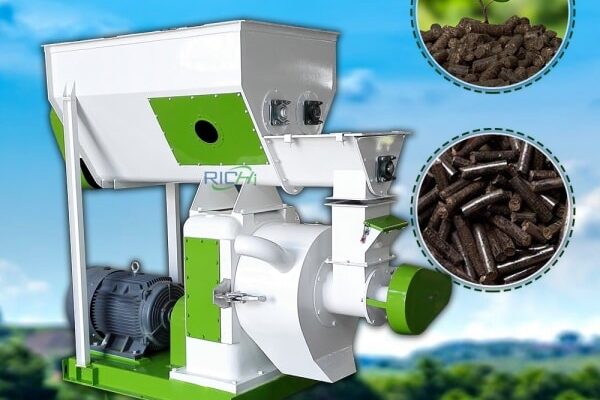
Chicken manure is a common agricultural waste material that can be processed into organic fertilizer pellets. Pelletizing can make loose manure easier to handle, store, transport, and apply. However, chicken manure normally requires proper moisture control and preparation before it can enter the pelletizing stage. When evaluating a chicken manure pellet machine for sale, buyers…
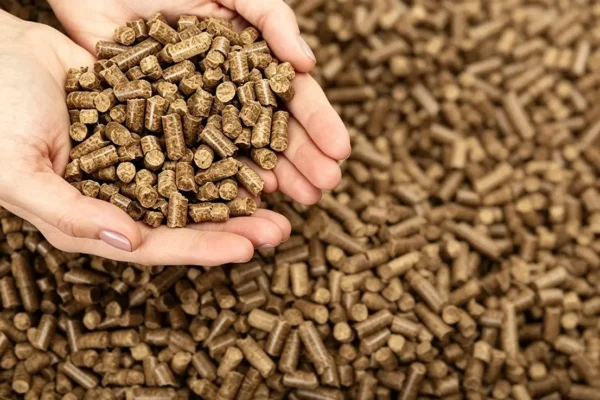
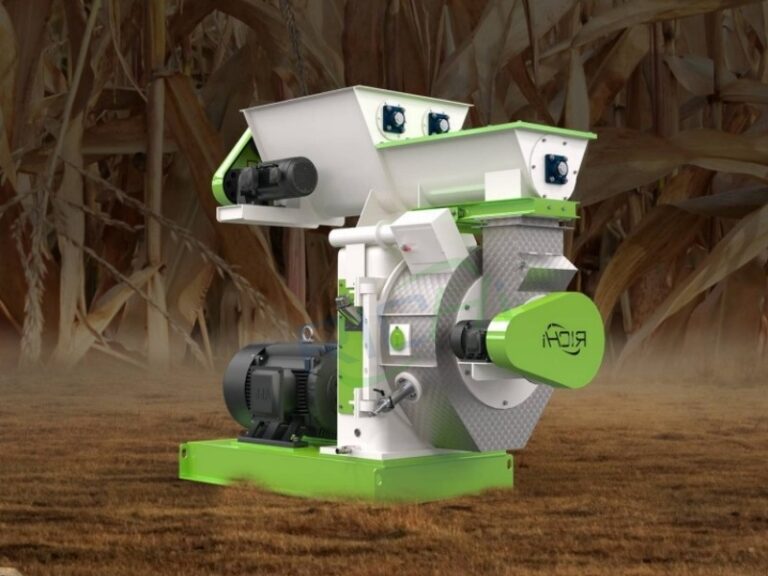
Empty fruit bunches, commonly known as EFB, are an important biomass residue generated by palm oil mills. As palm oil production continues to generate large quantities of this material, converting EFB into fuel pellets provides a practical way to improve biomass utilization and produce a standardized renewable fuel. However, producing high-quality EFB pellets is not…
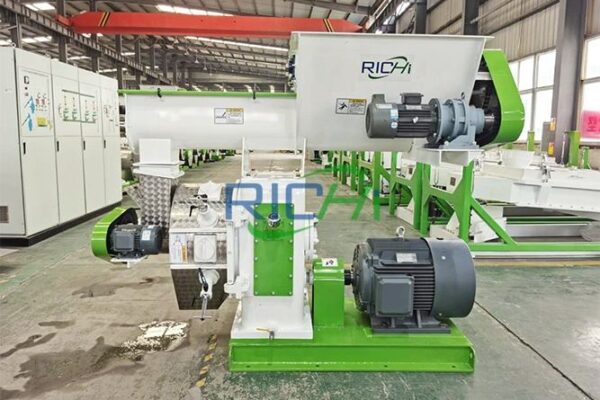
Alfalfa is one of the most valuable crops a farmer can grow. It’s high in protein, rich in minerals, and highly digestible. Dairy cows produce more milk on it. Horses thrive on it. Rabbits, goats, and sheep all benefit from it. For centuries, it’s been the gold standard of forage. But here’s the problem. Alfalfa…

When a feed manufacturer needs to increase output, purchasing a higher-capacity pellet mill may appear to be the simplest solution. In practice, high production requires a balanced system in which every processing stage can keep up with the pelletizing section. An animal feed pellet making machine is responsible for forming the final pellets, but its…

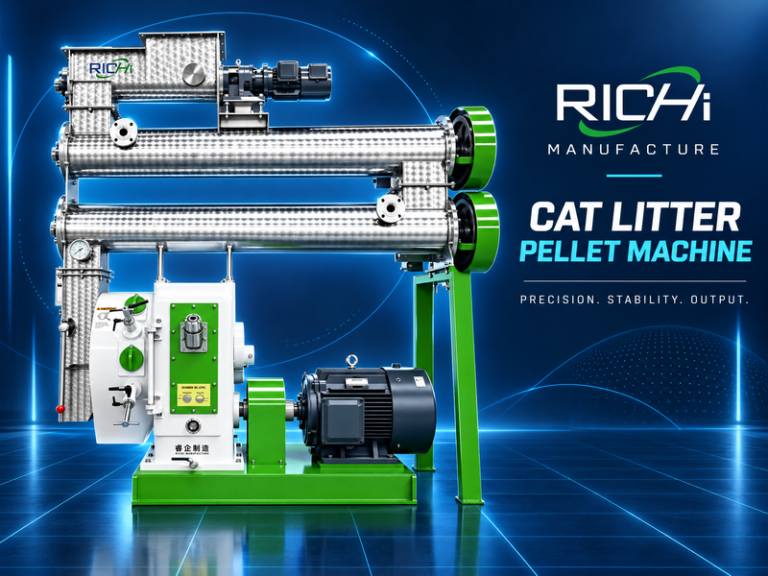
As demand for cat litter continues to grow, manufacturers are under increasing pressure to produce high-quality products faster, more consistently, and at a lower cost. Whether a factory produces bentonite cat litter, tofu cat litter, wood pellets, corn-based litter, or other plant-based products, production efficiency has become a key factor in determining profitability and competitiveness….