

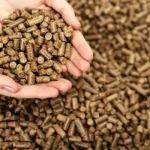
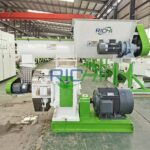



When a feed manufacturer needs to increase output, purchasing a higher-capacity pellet mill may appear to be the simplest solution. In practice, high production requires a balanced system in which every processing stage can keep up with the pelletizing section.
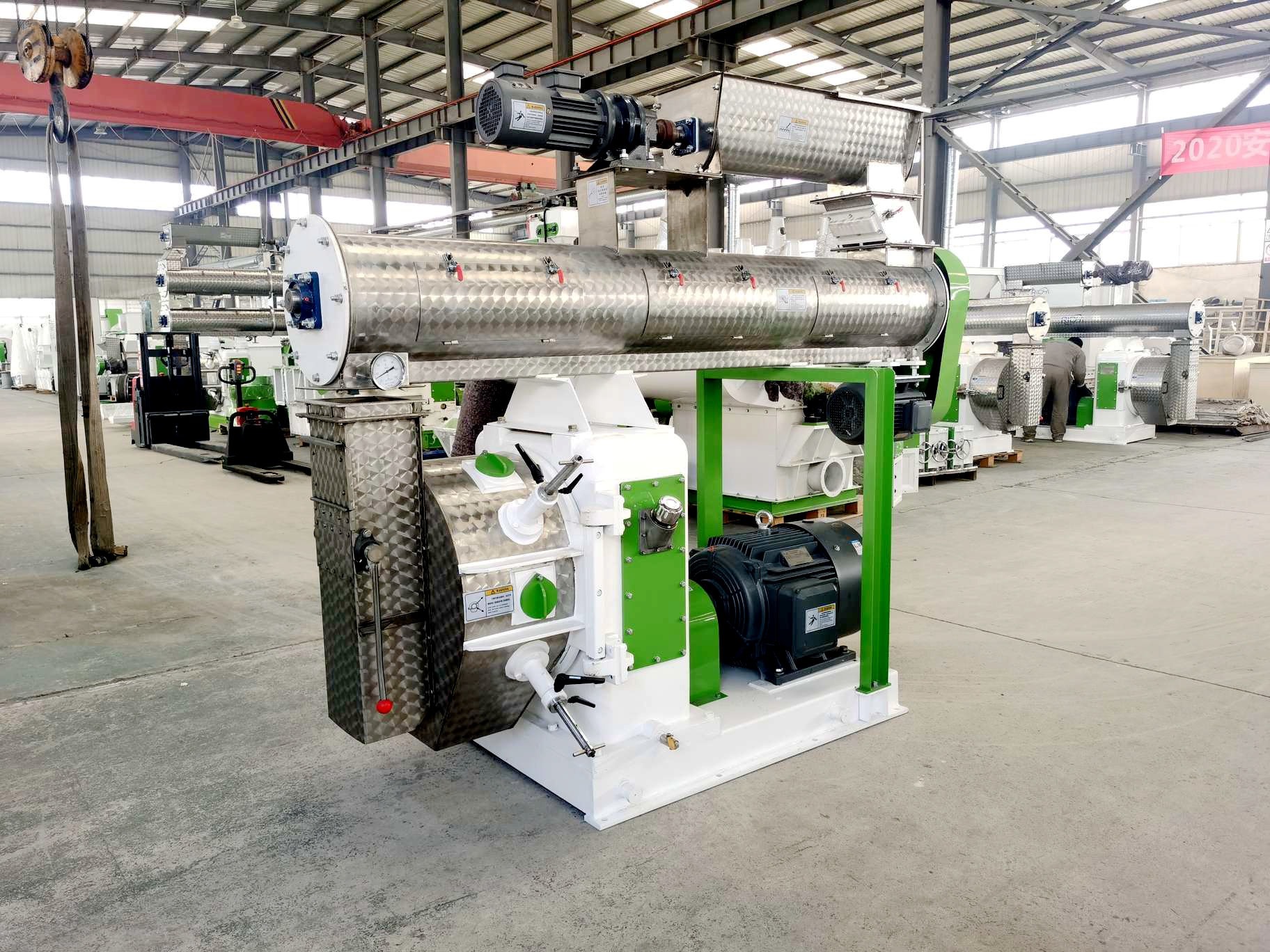
An animal feed pellet making machine is responsible for forming the final pellets, but its performance depends on raw material preparation, feeding, conditioning, and downstream cooling.
Capacity Starts Before the Pellet Mill
The production rate of a feed factory begins with raw material availability.
If the grinder cannot prepare enough ingredients, the pellet mill will not receive a continuous supply of mash. The same applies to the mixer. Even a powerful pellet mill cannot operate efficiently if the material reaching it is inconsistent.
This means high-capacity production should be planned from the beginning of the process.
Matching the Pellet Mill to the Formula
A high capacity livestock feed pellet mill should be selected according to the actual feed formula and raw materials.
Livestock feed can contain corn, soybean meal, wheat products, forage, alfalfa, minerals, and other components. The proportion of fiber, moisture, and other characteristics can influence pelletizing performance.
The required pellet diameter should also be considered. A machine configured for one pellet size may not deliver the same practical output when producing another size.
Stable Feeding Is Essential
At high production rates, fluctuations in material feeding can have a greater effect on the process.
The feeder should provide a consistent material flow to the conditioner and pellet mill. Automatic or variable-frequency feeding can help operators maintain stable conditions.
If the pellet mill is repeatedly overloaded and then underfed, production efficiency may decrease and mechanical stress may increase.
Conditioning for Consistent Pellet Formation
Conditioning prepares the feed mash before compression.
Steam introduces heat and moisture, helping the material become more suitable for pellet formation. At higher output, steam distribution becomes increasingly important because a large quantity of material must be conditioned continuously.
The conditioner should therefore be matched to the pellet mill capacity and feed formula.
Cooling Becomes a Bottleneck at High Output
Cooling is another critical consideration.
Fresh pellets leave the pellet mill at elevated temperature. If the cooling system cannot handle the pellet mill’s output, material can accumulate between stages.
An adequately sized cooler helps maintain continuous flow and prepares the pellets for screening and storage.
Screening then separates fines from finished pellets. If the screen is too small, it can become another bottleneck.
Mechanical Maintenance
High-capacity equipment experiences substantial mechanical loads. Regular inspection of dies, rollers, bearings, transmission components, feeders, and other parts is important.
Wear should be identified before it causes serious production problems.
Operators should also monitor unusual vibration, changes in motor load, noise, pellet appearance, and output. These indicators can help identify developing issues.
Energy Considerations
Energy consumption should be evaluated across the complete process.
Grinding can consume substantial power, while conveyors, fans, coolers, pellet mills, and packing equipment also contribute to total electricity demand.
Improving energy efficiency is therefore not simply about reducing pellet mill motor power. It can involve optimizing particle size, material flow, equipment loading, and operating schedules.
Manufacturers and project planners can use Going Here to review related feed equipment information and production solutions.
Building a Balanced System
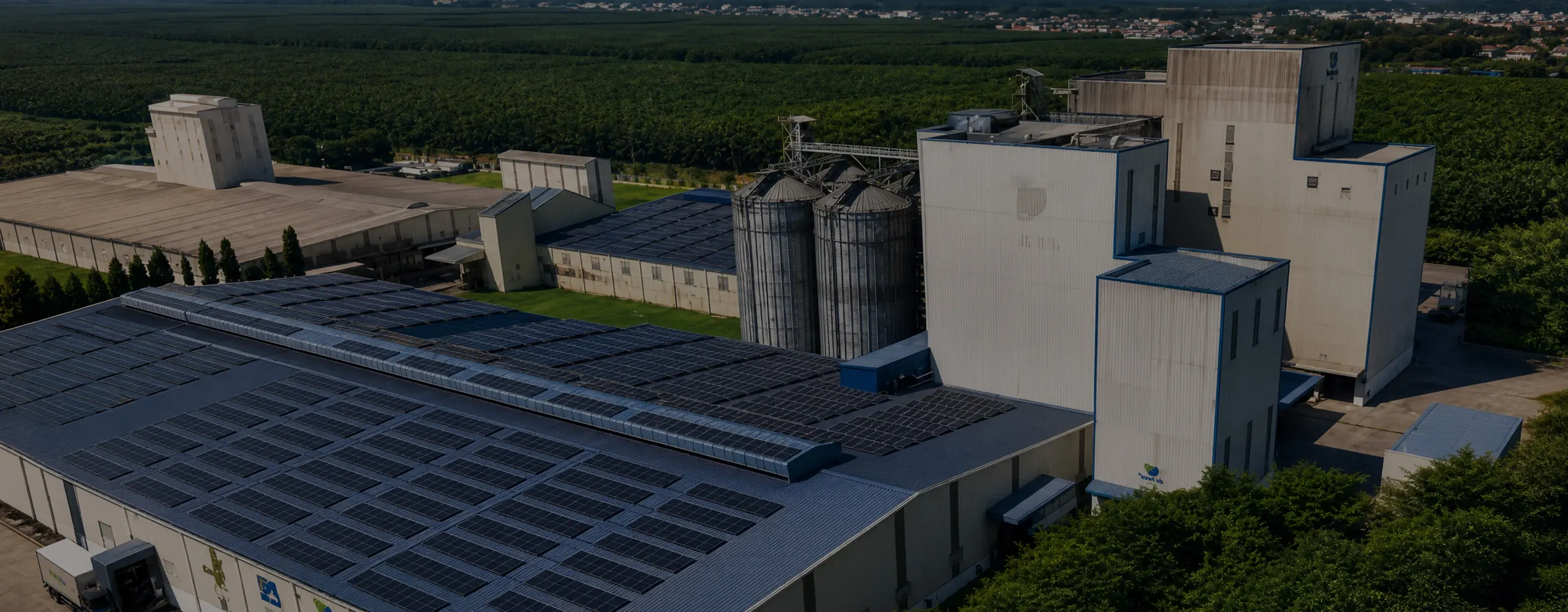
Richi Machinery provides equipment for animal feed and livestock feed processing at different production scales.
The appropriate configuration depends on raw materials, target capacity, pellet diameter, factory layout, automation requirements, and other project conditions.
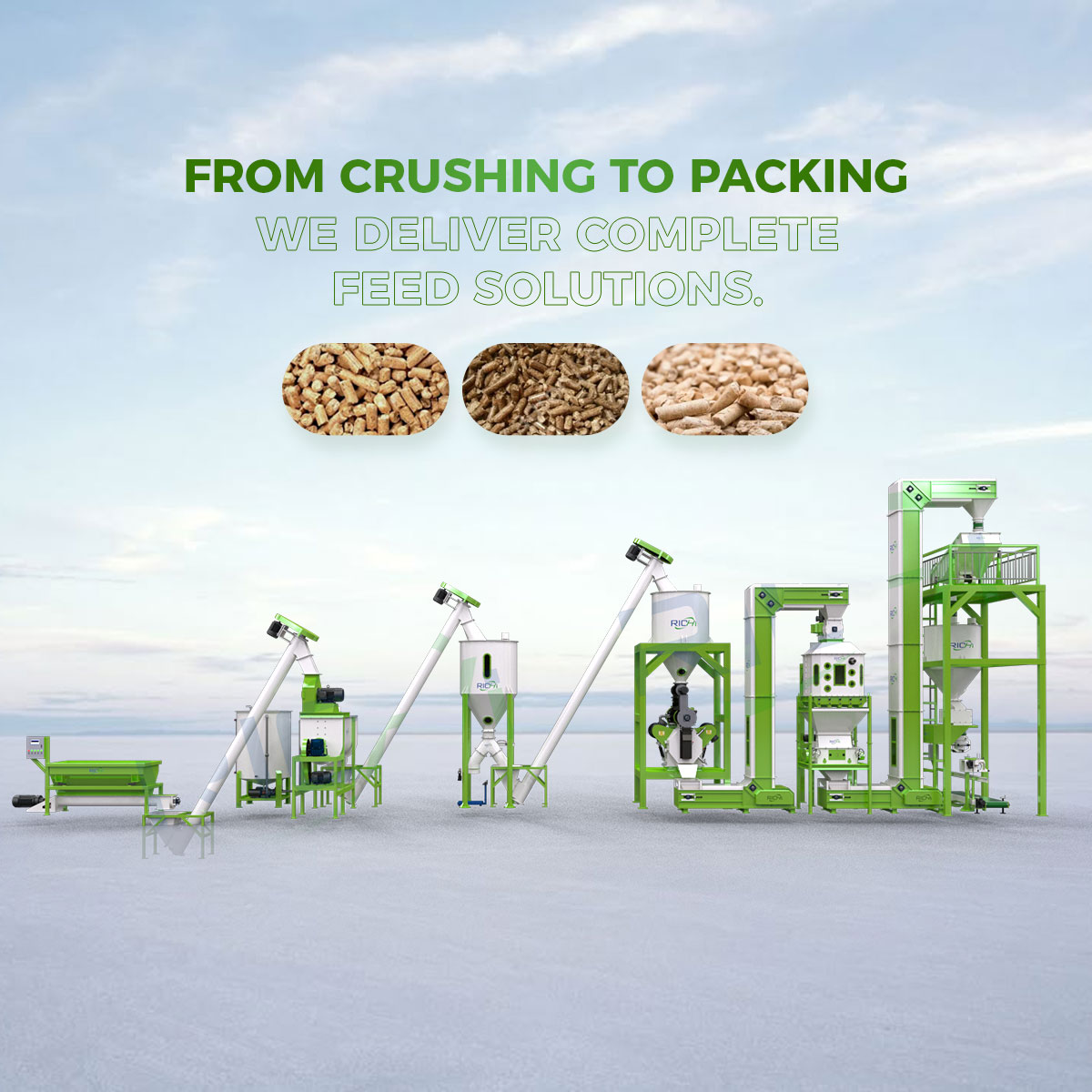
High-capacity production works best when the entire line is balanced. Grinding, mixing, conditioning, pelleting, cooling, screening, and packaging should operate at compatible rates.
For manufacturers planning to increase output, this system-based approach can provide better results than focusing only on the rated capacity of one machine. Stable material flow, suitable conditioning, adequate cooling, and regular maintenance are all essential parts of reliable high-capacity feed production.
view details: https://www.richimanufacture.com/animal-feed-pellet-machine-for-sale/