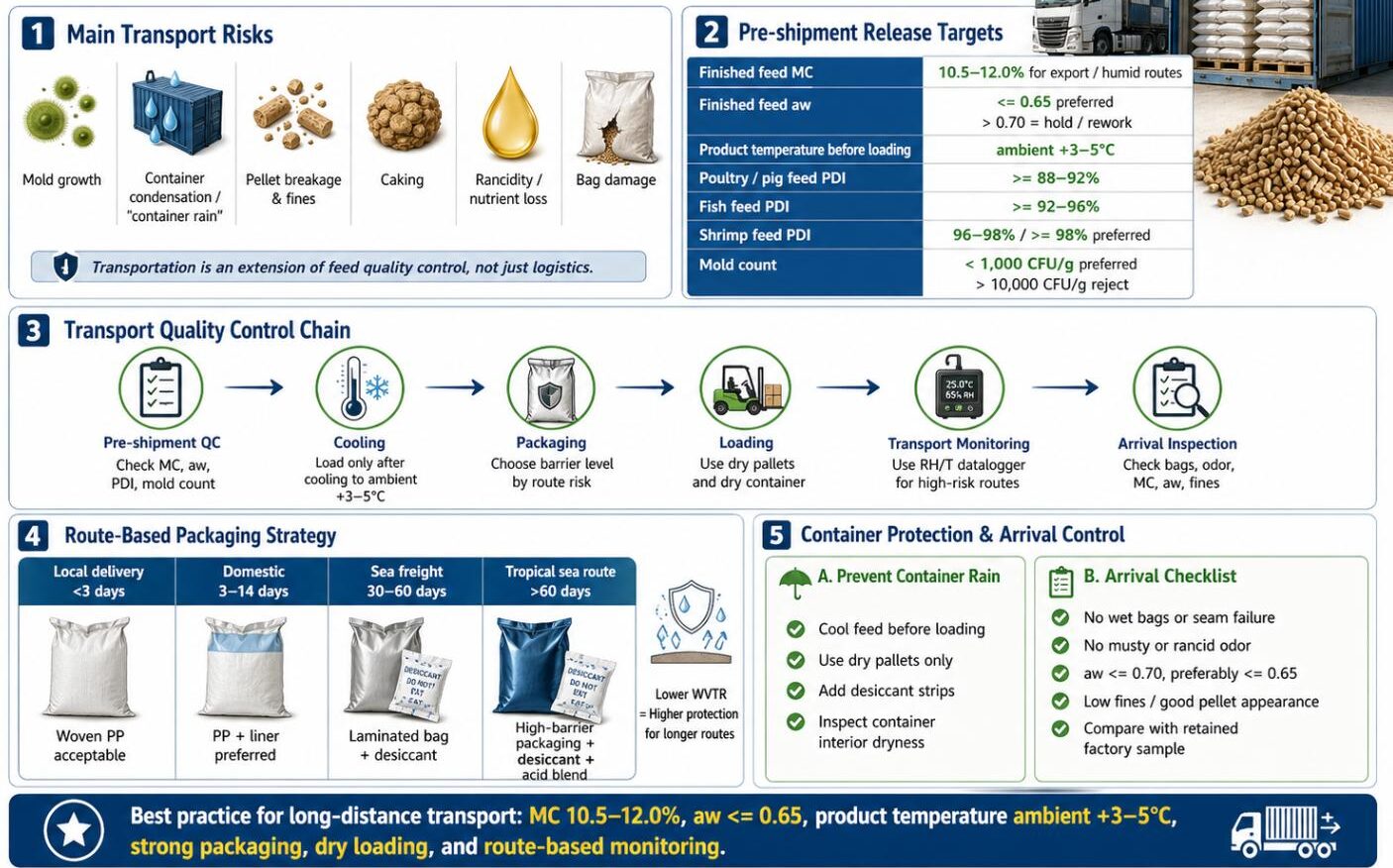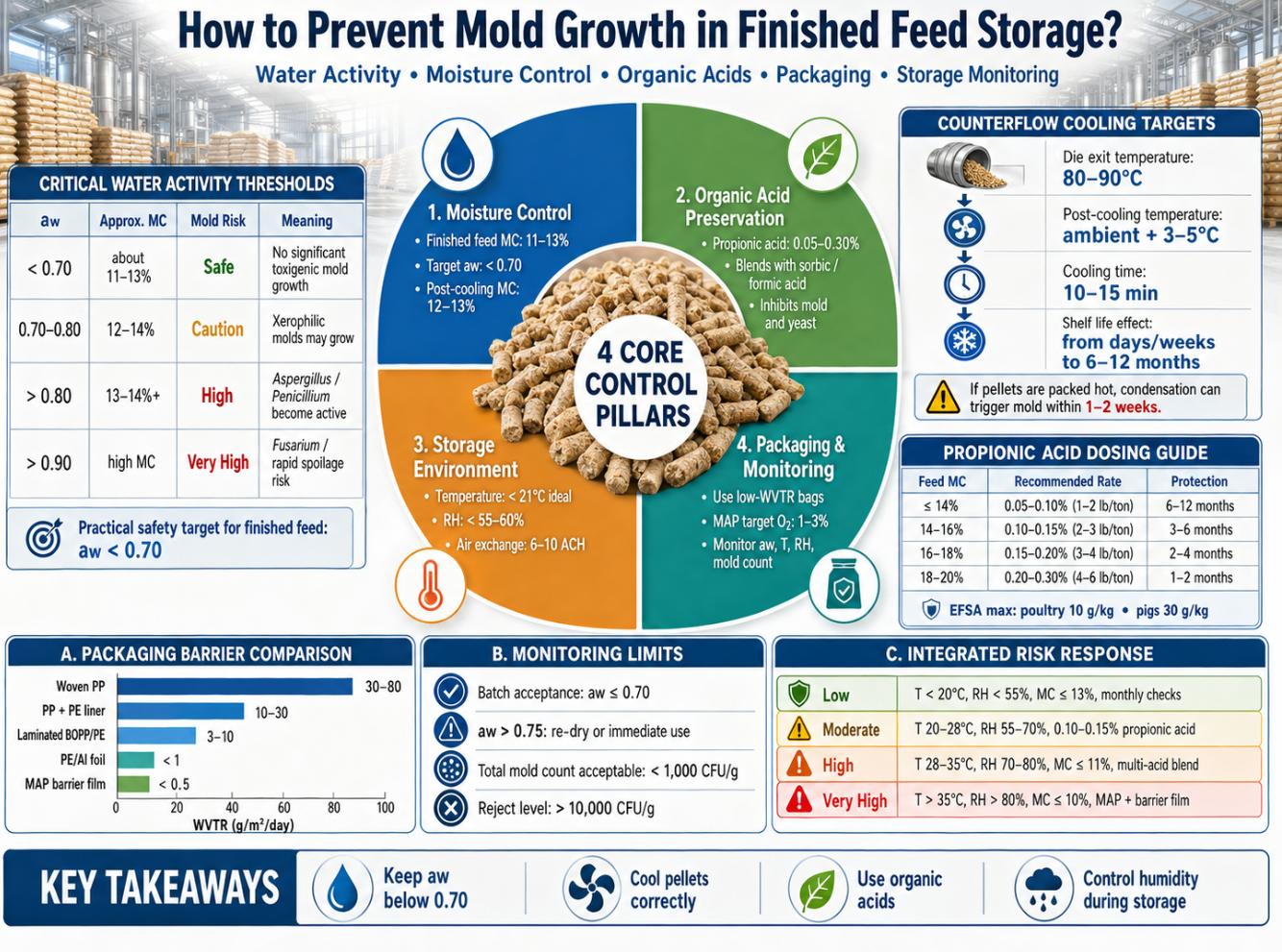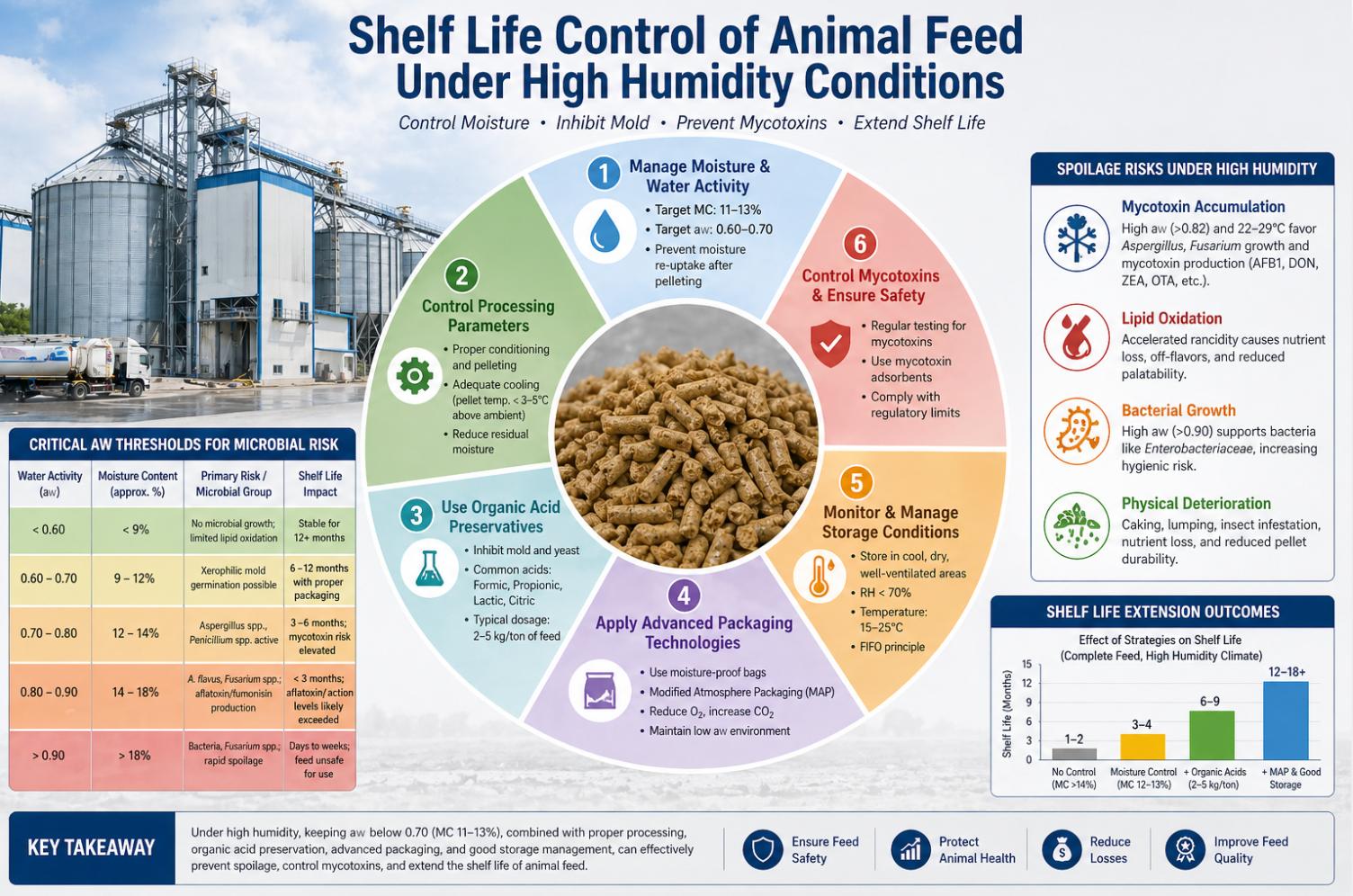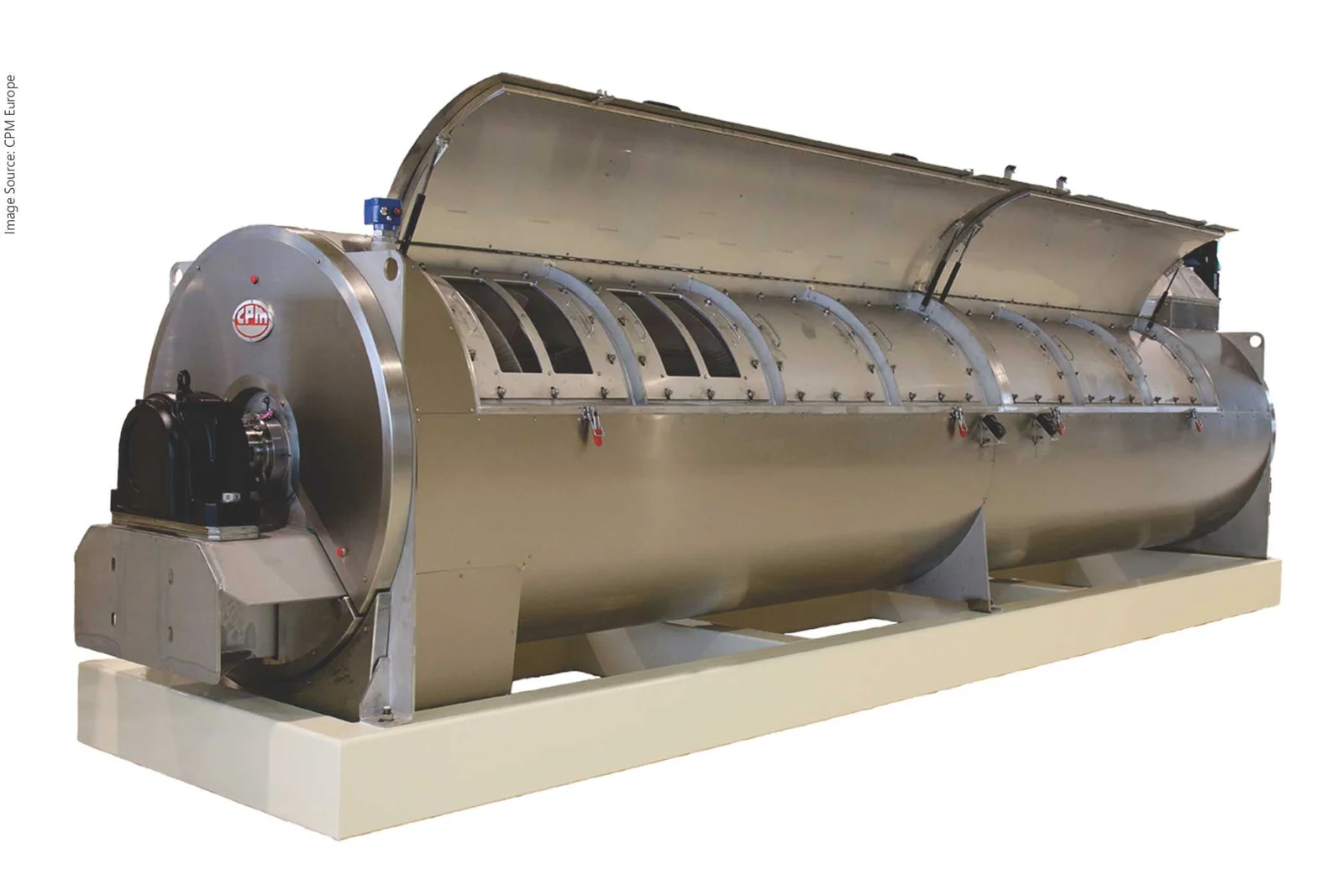



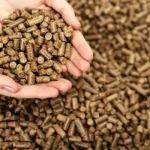


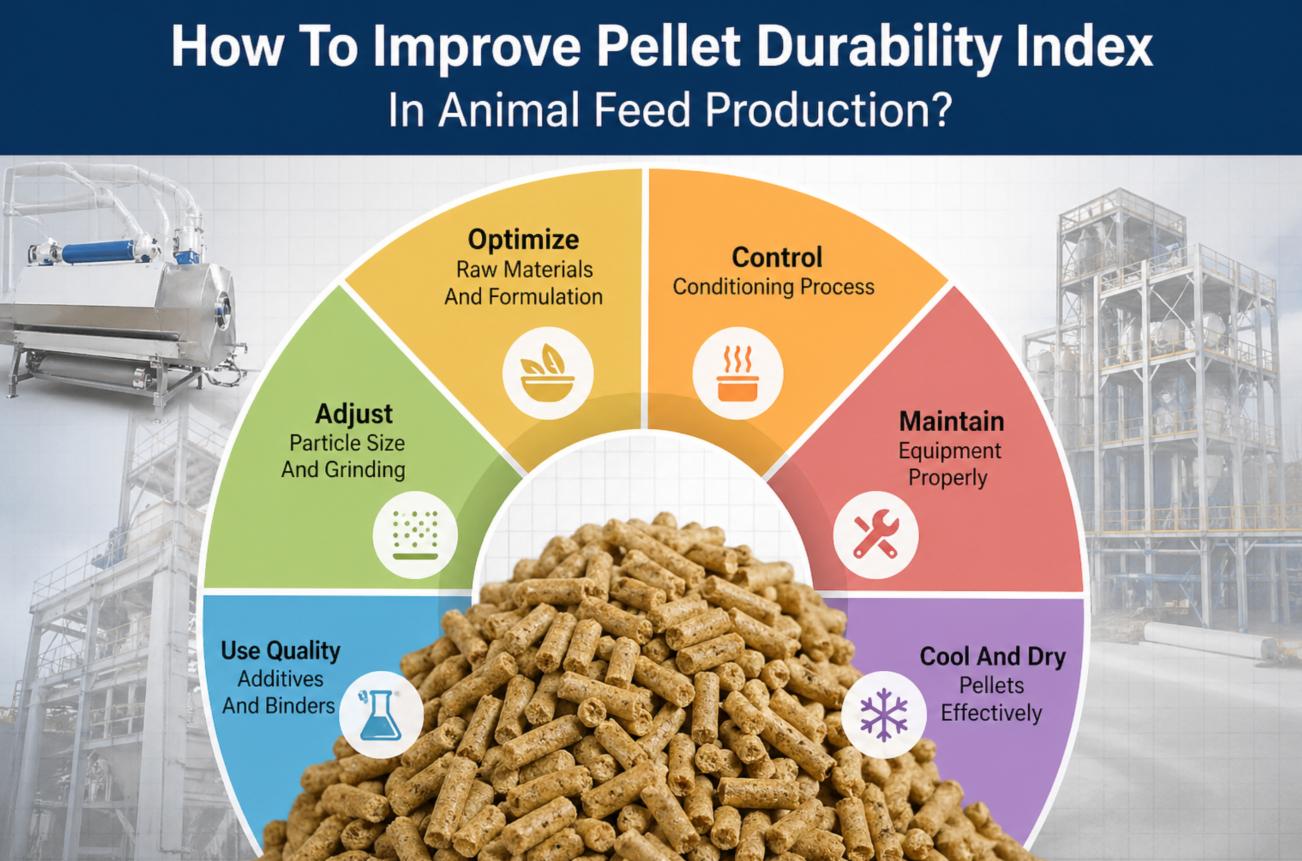
Pellet Durability Index, commonly referred to as PDI, is one of the most important physical quality indicators in animal feed pellet production. It measures the ability of pellets to resist breakage, abrasion, and fines generation during cooling, conveying, screening, bagging, bulk storage, truck loading, transportation, and farm feeding. In commercial feed mills, PDI is not only a laboratory quality value. It is a direct indicator of process stability, pellet mill efficiency, feed handling performance, customer satisfaction, and final feed value.
Improving PDI requires systematic control of the entire pelleting process. It cannot be achieved reliably by changing only one parameter such as die compression ratio, steam temperature, or binder dosage. Research and commercial feed mill data show that pellet quality is affected by formula composition, particle size, mash moisture, steam conditioning temperature, retention time, steam quality, fat addition level, die specification, pellet mill load, cooling intensity, and post-pellet handling. A recent meta-analysis on PDI confirmed that pellet quality prediction is difficult because numerous formulation and manufacturing variables interact with each other during feed production.
For most commercial poultry and pig feed, a practical PDI target is normally 88–92%, with 85% often treated as a minimum commercial acceptance level. For aquatic feed and shrimp feed, the target is usually higher, often 92–98%, because water stability and transport resistance are more demanding. However, the highest possible PDI is not always the best technical objective. Excessively hard pellets may reduce palatability, increase energy consumption, reduce throughput, damage heat-sensitive nutrients, or increase die wear. The correct objective is to achieve the required PDI at the lowest reasonable cost while maintaining nutrition, safety, and production efficiency.
This report provides a data-based technical framework for improving PDI in animal feed production. It focuses on measurable control values, including particle size, conditioning temperature, conditioned mash moisture, steam quality, retention time, fat addition, die compression ratio, pellet mill current, cooling moisture loss, fines percentage, and finished pellet moisture.
1- Introduction
In animal feed production, pellet quality is determined long before pellets reach the bagging machine. A pellet begins as a loose mash mixture. During grinding, mixing, steam conditioning, pelleting, cooling, and conveying, this mash is gradually transformed into a compact feed particle. If any major stage is poorly controlled, pellet durability will decline.
Pellet durability becomes especially important because feed pellets experience continuous mechanical stress after leaving the pellet mill die. Pellets fall into the cooler, move through discharge gates, enter conveyors, pass through elevators, reach screens, flow into bins, enter bags or bulk trucks, and may be transported over long distances. Weak pellets break during these operations and become fines. These fines reduce feed uniformity, increase dust, create customer complaints, reduce saleable quality, and may negatively affect animal intake.
PDI is widely used to evaluate this resistance to degradation. The USDA Agricultural Research Service notes that PDI described in ASABE Standard S269.4 has been widely accepted in the United States as a measure of pellet quality, calculated as the mass percentage of intact pellets remaining after tumbling a 500 g sample for 10 minutes. Kansas State University also emphasizes that pellet durability testing should be used as feedback on formulation and processing variables, not only as a final inspection value.
In practical production, a low PDI is rarely caused by one isolated factor. It may result from coarse grinding, low mash moisture, poor steam quality, short conditioning time, excessive mixer-added fat, unsuitable die compression ratio, worn die holes, over-drying in the cooler, or excessive mechanical handling after cooling. This means that PDI improvement must be treated as a whole-line engineering problem.
2- Technical Definition and Interpretation of PDI
Pellet Durability Index expresses the percentage of pellets that remain intact after a defined durability test. The test method may use a tumbling box, Holmen tester, pneumatic tester, or other standardised equipment, but the purpose is the same: to simulate mechanical stress and estimate how much pellet breakage may occur during handling and transport.
The basic interpretation is simple:
*- PDI below 80%: poor durability; high fines risk
*- PDI 80–85%: acceptable only for low-demand local feed or difficult formulas
*- PDI 85–88%: minimum acceptable range for many commercial livestock feeds
*- PDI 88–92%: good commercial pellet quality for poultry and pig feed
*- PDI 92–95%: high durability, suitable for long-distance transport or premium feed
*- PDI above 95%: usually required for aquatic feed, shrimp feed, or very demanding handling conditions
However, PDI must not be interpreted alone. A feed mill should evaluate it together with pellet hardness, pellet length, fines percentage, final moisture, water activity, pellet mill energy consumption, throughput, animal intake, and additive stability.
For example, increasing die compression ratio may raise PDI from 88% to 93%, but if output decreases by 15%, pellet mill current increases sharply, and feed temperature becomes too high for enzyme stability, the solution may not be economically or nutritionally acceptable. Therefore, PDI improvement should aim for the best balance between physical quality, production efficiency, nutritional integrity, and commercial value.
3- Practical PDI Target Values by Feed Type
Different feeds require different pellet durability standards. A poultry feed delivered locally in bulk may not need the same PDI as shrimp feed exported in bags or fish feed that must remain stable in water. For this reason, feed mills should establish formula-specific PDI targets instead of using one general number for all products.
Table 1. Recommended PDI target ranges for commercial animal feed
| Feed category | Minimum acceptable PDI | Recommended target PDI | High-quality target PDI | Technical interpretation |
|---|---|---|---|---|
| Broiler starter feed | 82–85% | 86–90% | 90–92% | Balance durability with young bird intake |
| Broiler grower feed | 85% | 88–92% | 92–94% | Strong requirement for farm handling |
| Broiler finisher feed | 85% | 88–92% | 92–94% | High output and low fines are important |
| Layer feed | 80–85% | 85–90% | 90–92% | Excessive hardness is usually unnecessary |
| Piglet feed | 80–85% | 85–90% | 90–92% | Must protect heat-sensitive additives |
| Pig grower feed | 85% | 88–92% | 92–94% | Good durability needed for transport |
| Sow feed | 82–85% | 86–90% | 90–92% | Fiber level may limit durability |
| Ruminant pellet feed | 80–85% | 85–90% | 90–92% | High fiber reduces compactness |
| Horse feed | 80–85% | 85–90% | 90–92% | Palatability and appearance are important |
| Sinking fish feed | 90% | 92–96% | 96–98% | Water stability is critical |
| Shrimp feed | 95% | 96–98% | >98% | Very high durability and water stability required |
These values are engineering reference ranges. The real target should be determined by feed type, transport distance, customer expectation, feed price, pellet diameter, formulation cost, and animal performance requirements.
4- Formation Mechanism of Durable Pellets
A durable pellet is formed through the combined effect of heat, moisture, pressure, friction, and particle bonding. During pelleting, mash feed is forced through die holes under roller pressure. Inside the die, particles are compressed and bonded into a dense cylindrical structure.
The first bonding mechanism is mechanical interlocking. Fine particles fill the empty spaces between larger particles, creating a denser pellet. If the mash contains many oversized particles, these particles act as internal fracture points and reduce PDI.
The second mechanism is starch gelatinisation. Under suitable heat and moisture, starch granules absorb water, swell, and partially gelatinise. During cooling, gelatinised starch helps bind particles together. This is one reason cereal-rich formulas often produce better pellets than high-fiber formulas.
The third mechanism is protein plasticisation. Heat and moisture soften protein structures, allowing them to deform and bind during compression. Soybean meal, fish meal, and other protein ingredients can contribute to pellet structure if they are properly ground and conditioned.
The fourth mechanism is solid bridge formation. During conditioning and pelleting, soluble components are mobilised at particle contact points. During cooling, moisture evaporates and these components form solid bridges that strengthen the pellet.
The fifth mechanism is die compression. A suitable die compression ratio provides enough pressure and residence time inside the die hole to consolidate the conditioned mash. However, if mash preparation is poor, increasing compression ratio alone cannot fully solve low PDI.
5- Formula Composition and Its Quantitative Effect on PDI
Formula composition is the first determinant of pellet durability. Even under identical equipment conditions, different formulas can produce very different PDI values. The main reason is that ingredients differ in starch content, protein structure, fiber content, fat level, particle shape, moisture absorption capacity, and natural binding ability.
Starch-rich ingredients such as wheat, corn, barley, and sorghum usually support pellet formation. Wheat often improves pellet durability because of its starch and gluten characteristics. Corn-based formulas can also produce good pellets, but often require suitable grinding and conditioning.
High-fiber ingredients usually reduce PDI. Wheat bran, rice bran, sunflower meal, palm kernel meal, alfalfa meal, rice hulls, and some by-products create more elastic and less compact pellet structures. These formulas often require finer grinding, better conditioning, higher die compression, or pellet binders.
Fat is one of the strongest negative factors when added before pelleting. Fat coats feed particles, reduces water penetration, reduces die friction, and weakens bonding. Some fat improves lubrication and production rate, but excessive mixer-added fat can sharply reduce PDI. A broiler feed study showed that fat source, fat level, and binder choice significantly affected physical pellet quality; in that work, adding 0.5% calcium lignosulfonate to diets containing 3% soybean oil improved Holmen PDI, pellet hardness, and pellet length compared with other treatments.
Table 2. Formula factors and expected PDI effect
| Formula factor | Typical inclusion concern | Expected effect on PDI | Technical interpretation |
|---|---|---|---|
| Wheat inclusion | 10–30% | Positive | Gluten and starch improve binding |
| Corn inclusion | 30–60% | Moderate to positive | Requires good grinding and conditioning |
| Soybean meal | 15–35% | Usually positive | Protein supports bonding when conditioned |
| DDGS | 5–20% | Variable to negative | Fiber and fat reduce compactness |
| Wheat bran | 5–20% | Negative at high levels | High fiber increases fracture risk |
| Rice bran | 5–15% | Variable to negative | Fat and fiber affect binding |
| Palm kernel meal | 5–20% | Negative | High fiber and poor compactness |
| Fish meal | 3–15% | Usually positive | Protein binding, but variable fat content |
| Molasses | 2–5% | Positive if controlled | Improves binding, but excess causes stickiness |
| Mixer-added oil | >2–3% | Negative | Coats particles and reduces steam absorption |
| Pellet binder | 0.3–1.0% | Positive | Helps poor formulas but adds cost |
For practical control, formulas can be classified by pelletability:
Table 3. Formula pelletability classification
| Formula type | Expected pelletability | Typical PDI difficulty | Recommended process response |
|---|---|---|---|
| Wheat-soy poultry feed | Good | Low to medium | Standard conditioning and die compression |
| Corn-soy poultry feed | Medium | Medium | Fine grinding and good steam conditioning |
| High-fat broiler feed | Poor to medium | High | Limit mixer oil; use post-pellet oil |
| High-fiber sow feed | Poor | High | Finer grinding, longer conditioning, suitable die |
| DDGS-rich pig feed | Variable | Medium to high | Control fat, fiber, and particle size |
| Fish feed | Good if finely ground | Medium | High moisture, high compression, long conditioning |
| Shrimp feed | Requires precision | Very high | Ultra-fine grinding and intensive conditioning |
A feed mill should not use the same PDI expectation for all formulas. High-fiber or high-fat formulas may require more expensive process intervention to reach the same PDI as a wheat-rich poultry feed.
6- Particle Size Control and PDI Improvement
Particle size is one of the most measurable and controllable variables affecting PDI. Finer grinding increases surface area, improves particle packing, and increases contact points for bonding. However, excessive grinding increases energy consumption and may negatively affect animal physiology in some species.
The technical objective is not to produce the finest possible mash, but to produce the correct particle size distribution. Oversized particles are especially harmful because they create weak points inside the pellet. A mash with an average particle size of 700 μm may still produce poor pellets if it contains many particles above 1,500 μm.
Published research on pellet durability and energy consumption has identified ground corn particle size as one of the variables affecting both pellet quality and energy use.
Table 4. Recommended average particle size for pellet feed
| Feed type | Recommended average particle size | Maximum oversized particle control | PDI effect |
|---|---|---|---|
| Broiler starter feed | 500–700 μm | >1,200 μm should be limited | Better early pellet quality |
| Broiler grower feed | 600–900 μm | >1,500 μm below 5% | Good balance of PDI and nutrition |
| Broiler finisher feed | 700–900 μm | >1,500 μm below 5% | Avoid excessive fines in mash |
| Layer feed | 700–1,000 μm | Coarse calcium may remain separate | Moderate PDI target |
| Piglet feed | 400–600 μm | >1,000 μm below 3–5% | Improves compactness |
| Pig grower feed | 500–700 μm | >1,200 μm below 5% | Strong PDI improvement |
| Sow feed | 700–1,000 μm | Fiber particles need control | Prevents excessive energy use |
| Ruminant pellet feed | 800–1,200 μm | Depends on fiber source | Avoid over-grinding fiber |
| Fish feed | 250–500 μm | >800 μm below 3% | Essential for water stability |
| Shrimp feed | 150–300 μm | >500 μm should be minimal | Essential for compact structure |
Table 5. Particle size diagnosis for low PDI
| Observation | Possible particle size problem | Corrective action |
|---|---|---|
| Pellets show visible cracks | Oversized particles inside pellet | Reduce hammer mill screen size |
| PDI low but conditioner stable | Particle distribution too coarse | Check sieve analysis |
| PDI variable between batches | Ingredient grind variability | Standardise grinding parameters |
| High fines in mash before pelleting | Over-grinding or fragile ingredients | Adjust screen and airflow |
| High energy in hammer mill | Particle target too fine | Rebalance particle size and PDI target |
A practical feed mill control programme should measure particle size at least once per formula or once per shift for key products. For high-value feed, particle size distribution should be recorded with PDI results so that the mill can identify the real relationship between grinding and pellet durability.
7- Steam Conditioning as the Central PDI Control Point
Steam conditioning is usually the most important production-stage factor for improving PDI. It adds heat and moisture, softens particles, improves starch gelatinisation, activates binding mechanisms, and reduces die friction.
A broiler study evaluated four conditioning temperatures of 71, 77, 82, and 88°C and reported that pellet quality and broiler performance responses can be influenced by conditioning temperature together with other variables such as fat inclusion, diet composition, retention time, steam pressure, steam quality, and die specification. A more recent study evaluated conditioning temperatures of 77, 82, and 88°C with retention times of 45 and 90 seconds under commercial-like broiler feed conditions, showing the continued importance of temperature and retention time in PDI research.
In practical production, conditioning should be controlled by three main values:
*- Conditioning temperature
*- Conditioned mash moisture
*- Retention time
Temperature alone is not enough. A mash may reach 82°C but still be too dry for strong pellet formation. Another mash may have high moisture but poor steam quality, causing surface wetting rather than true conditioning.
Table 6. Recommended conditioning parameters for PDI improvement
| Feed type | Conditioning temperature | Conditioned mash moisture | Retention time | Expected PDI effect |
|---|---|---|---|---|
| Broiler starter | 75–82°C | 14.0–15.0% | 20–50 s | Good PDI, protects additives |
| Broiler grower | 78–85°C | 14.0–15.5% | 30–60 s | Strong PDI improvement |
| Broiler finisher | 80–85°C | 14.5–15.8% | 30–60 s | High capacity and durability |
| Layer feed | 75–82°C | 13.5–15.0% | 20–50 s | Moderate PDI improvement |
| Piglet feed | 65–78°C | 13.5–15.0% | 20–50 s | Limited by heat-sensitive additives |
| Pig grower feed | 78–85°C | 14.0–16.0% | 30–60 s | Strong PDI improvement |
| Sow feed | 70–80°C | 14.0–15.5% | 30–70 s | Fiber softening |
| Ruminant feed | 65–80°C | 13.5–15.5% | 30–70 s | Depends on fiber content |
| Fish feed | 85–95°C | 15.0–17.0% | 60–120 s | Improves water stability |
| Shrimp feed | 90–100°C or higher | 16.0–18.0% | 90–180 s | Essential for high durability |
A practical rule used in feed processing is that 1% moisture addition from good-quality steam may increase mash temperature by approximately 15–17°C. Therefore, if mash enters the conditioner at 25°C and exits at 80°C, the temperature rise is 55°C. Under efficient steam condensation, this may correspond to roughly 3.2–3.6% added moisture. This explains why conditioning commonly increases mash moisture by about 3–4 percentage points in many feed mills.
However, this relationship depends heavily on steam quality, raw material moisture, and environmental conditions. Wet steam may add water without efficient heating. Superheated steam may add heat without enough moisture. Both conditions reduce PDI stability.
8- Conditioning Data Diagnosis
For technical personnel, the most useful question is not “What should the conditioning temperature be?” but “What does the combination of temperature, moisture, and retention time indicate?”
Table 7. Diagnostic interpretation of conditioning data
| Measured condition | Likely PDI result | Root cause | Corrective action |
|---|---|---|---|
| 70–75°C and <13.5% moisture | Low PDI | Under-conditioning | Increase steam and check moisture |
| 78–85°C and 14.0–15.5% moisture | High PDI | Balanced conditioning | Maintain current parameters |
| 82–88°C but <13.5% moisture | Brittle pellets | Hot but dry mash | Add controlled moisture; check steam type |
| 78–85°C but >16.0% moisture | Soft pellets | Excess moisture or wet steam | Reduce steam/water; check separator |
| Temperature fluctuates >±3°C | Variable PDI | Feed rate or steam instability | Stabilise feeder and steam pressure |
| Moisture fluctuates >±0.5% | Variable PDI | Raw material or steam inconsistency | Measure mash moisture and steam quality |
| Retention time <20 s | Low PDI | Insufficient heat penetration | Adjust paddle angle or shaft speed |
| Retention time >90 s for common feed | Variable result | Over-processing risk | Check additives and throughput loss |
A stable commercial line should normally control conditioner outlet temperature within ±2°C during steady production. Conditioned mash moisture should preferably remain within ±0.3–0.5 percentage points. If variation exceeds these ranges, PDI will usually fluctuate even if the average value looks acceptable.
9- Steam Quality and Its Direct Impact on PDI
Steam quality is one of the most overlooked causes of unstable PDI. Operators often increase steam when pellet quality is poor, but if the steam is wet, this may make the problem worse.
Good dry saturated steam condenses on feed particles and releases latent heat efficiently. It provides heat and moisture at the same time. Wet steam contains liquid droplets that create uneven surface wetting, lumps, die slipping, and conditioner buildup. Superheated steam may raise temperature but provide insufficient moisture for starch gelatinisation.
A stable steam system should include:
*- Stable boiler pressure
*- Insulated steam pipeline
*- Correct pipe diameter
*- Pressure reducing valve
*- Steam separator before conditioner
*- Functional steam trap
*- Condensate drainage before startup
*- Pressure gauge near conditioner
*- Automatic steam control valve
Table 8. Steam quality diagnosis
| Steam condition | Production symptom | PDI effect | Corrective action |
|---|---|---|---|
| Dry saturated steam | Stable conditioning | High and stable PDI | Maintain pressure and drainage |
| Wet steam | Lumps, sticky mash, buildup | Variable or low PDI | Check trap, separator, drainage |
| Superheated steam | Hot but dry mash | Brittle pellets | Adjust pressure reduction and moisture |
| Pressure fluctuation | Temperature fluctuation | Unstable PDI | Stabilise boiler and control valve |
| Condensate at startup | Wet first batch | Die blockage risk | Drain steam line before feeding |
If PDI suddenly drops without formula change, steam quality should be checked before changing the die or adding binder. Steam instability can create large PDI variation even when the formula and pellet mill remain unchanged.
10- Moisture Control and PDI
Moisture is a central factor in pellet bonding. It supports starch gelatinisation, protein softening, particle lubrication, and solid bridge formation during cooling. However, more moisture is not always better.
Too little moisture causes:
*- Low PDI
*- High die friction
*- High motor load
*- Brittle pellets
*- High fines after cooling
*- Reduced throughput
Too much moisture causes:
*- Soft pellets
*- Die slipping
*- Conditioner buildup
*- Cooler overload
*- High final moisture
*- Mould risk during storage
A study on moisture throughout the pelleting process evaluated the effect of steam addition to the conditioner on moisture content and subsequent pellet quality, confirming that moisture changes during pelleting are directly connected with pellet quality outcomes.
Table 9. Practical moisture targets for PDI control
| Measurement point | Typical control range | Warning level | Technical meaning |
|---|---|---|---|
| Raw material average moisture | 10–13% | <9% or >14% | Affects steam demand |
| Mash moisture before conditioning | 11.5–13.0% | <11.0% | Low moisture limits PDI |
| Conditioned mash moisture | 14.0–15.5% | <13.5% or >16.0% | Main PDI control zone |
| Hot pellet moisture | 13.0–15.0% | Highly formula-dependent | Indicates die moisture loss |
| Final pellet moisture | 11.5–13.0% | >13.0% or <10.5% | Safety and brittleness control |
| Moisture loss in cooling | 1.0–3.0 points | >3.0 points | Over-drying risk |
For many poultry and pig feeds, conditioned mash moisture around 14.0–15.5% is a practical target. Fish feed and shrimp feed often require higher moisture because compactness and water stability are more demanding.
11- Fat Addition and PDI Reduction
Fat is useful for energy density and lubrication, but it is often harmful to PDI when added before pelleting. Fat coats feed particles and reduces the ability of steam and water to penetrate the material. It also reduces friction inside the die, which may lower compression and weaken pellet structure.
For high-PDI production, the amount of oil or fat added in the mixer should be carefully controlled.
Table 10. Practical relationship between mixer-added fat and PDI
| Mixer-added fat level | Expected PDI effect | Production risk | Recommended action |
|---|---|---|---|
| 0–1% | Little negative effect | Low risk | Normal conditioning |
| 1–2% | Slight to moderate PDI reduction | Manageable | Improve steam and die compression |
| 2–3% | Clear PDI risk | More fines | Consider binder or post-pellet oil |
| 3–4% | High PDI reduction risk | Weak pellets, low die friction | Move oil to post-pellet spraying |
| >4% | Severe durability challenge | Very low PDI likely | Requires special formula/process design |
For high-energy broiler or pig feed, a practical industrial strategy is to limit mixer-added fat to approximately 1–2% when high PDI is required, then add the remaining oil after cooling through a post-pellet liquid application system. This maintains dietary energy while protecting pellet structure.
Table 11. Example fat-addition strategy for high-energy feed
| Total required oil | Oil added in mixer | Oil added post-pellet | Expected PDI result |
|---|---|---|---|
| 2% | 2% | 0% | Usually acceptable |
| 3% | 1.5–2% | 1–1.5% | Better PDI than full mixer addition |
| 4% | 1.5–2% | 2–2.5% | Strongly recommended for PDI control |
| 5% | 1.5–2% | 3–3.5% | Requires post-pellet liquid system |
| >5% | ≤2% | Remaining oil | Special high-fat process required |
12- Die Compression Ratio and PDI
The die compression ratio is the ratio between effective die hole length and die hole diameter. Higher compression ratio generally increases pellet density and PDI because mash remains under pressure longer inside the die hole. However, excessive compression increases motor load, die temperature, energy consumption, and blockage risk.
Die compression should match formula type, pellet diameter, target PDI, and production capacity.
Table 12. Practical die compression ratio reference values
| Feed type | Pellet diameter | Typical compression ratio | PDI effect | Main risk |
|---|---|---|---|---|
| Broiler feed | 3.0–4.0 mm | 1:8 to 1:12 | Good durability | High compression reduces capacity |
| Layer feed | 3.0–4.0 mm | 1:7 to 1:10 | Moderate durability | Excess hardness unnecessary |
| Piglet feed | 2.5–3.5 mm | 1:9 to 1:13 | High density | Heat-sensitive additives |
| Pig grower feed | 3.0–5.0 mm | 1:8 to 1:12 | Good durability | High motor load if too high |
| Sow feed | 4.0–6.0 mm | 1:6 to 1:10 | Moderate durability | Fiber blockage |
| Ruminant feed | 4.0–8.0 mm | 1:6 to 1:10 | Variable | Fiber and bulk density |
| Fish feed | 2.0–5.0 mm | 1:12 to 1:18 | High compactness | Lower capacity |
| Shrimp feed | 1.5–2.5 mm | 1:18 to 1:25 | Very high durability | High energy and die wear |
A practical diagnostic rule is:
*- Low PDI + low pellet mill current: die compression may be too low, or fat may be too high
*- Low PDI + high pellet mill current: mash may be too dry, too fibrous, poorly conditioned, or die holes may be blocked
*- High PDI + very low capacity: compression ratio may be too high
*- Good PDI but high pellet temperature: compression or friction may be excessive
Die wear must also be monitored. As die holes wear, the effective compression changes, which can reduce PDI over time. A formula that produced 90% PDI with a new die may fall to 85–87% after die wear if no process adjustment is made.
13- Pellet Mill Operation Data
Pellet mill operation directly affects PDI. Even with good formula and conditioning, poor roller adjustment, unstable feed rate, worn die holes, or incorrect production rate can reduce pellet durability.
Table 13. Pellet mill operating parameters linked to PDI
| Parameter | Recommended control value | Warning condition | PDI implication |
|---|---|---|---|
| Feed rate stability | Stable within ±5% | Frequent feeder surging | Causes uneven conditioning |
| Pellet mill current fluctuation | Preferably <5–8% | >10% fluctuation | Indicates unstable mash or die load |
| Roller-die gap | Normally light contact or manufacturer setting | Too loose or too tight | Affects compression and wear |
| Hot pellet temperature | Usually 75–95°C | Unstable or excessive | Indicates friction and conditioning issues |
| Die hole blockage | Minimal | Increasing blocked holes | Reduces capacity and PDI |
| Pellet length | 2–3 times pellet diameter commonly used | Too long or too short | Affects breakage and handling |
Specific energy consumption is also important. Research on pellet durability and energy consumption in a pilot feed mill developed regression equations and reported that energy consumption could be predicted within an average of 0.3 kWh/ton, showing that pellet quality and energy use can be optimized together.
Table 14. Typical pellet mill energy indicators
| Feed condition | Typical specific energy | Technical interpretation |
|---|---|---|
| Well-conditioned poultry feed | 8–15 kWh/t | Normal energy use |
| Pig feed with moderate fiber | 10–18 kWh/t | Depends on die and moisture |
| High-fiber ruminant feed | 15–25 kWh/t | Fiber increases resistance |
| Fish feed with high compression | 18–35 kWh/t | High density requires more energy |
| Under-conditioned dry mash | Energy rises sharply | High friction and low PDI |
| Excessively wet mash | Energy may drop but PDI falls | Die slipping and weak pellets |
The best production point is not necessarily the point with the lowest energy consumption. Very low energy may indicate insufficient die compression or excessive fat. Very high energy may indicate dry mash, high compression, poor conditioning, or die blockage.
14- Cooling Control and PDI Preservation
Cooling is not only a temperature reduction step. It is a pellet structure stabilisation process. Hot pellets leaving the die are soft, moist, and vulnerable to breakage. Correct cooling removes heat and part of the moisture, allowing pellets to harden. Poor cooling can destroy PDI that was created during pelleting.
Under-cooling causes warm and soft pellets. These pellets deform or break during conveying and storage. Over-cooling removes too much moisture and makes pellets brittle. Brittle pellets may have high hardness but poor durability under impact.
Table 15. Cooling control data for maintaining PDI
| Cooling parameter | Recommended range | Warning condition | Effect on PDI |
|---|---|---|---|
| Cooler discharge temperature | Ambient +3–8°C | >ambient +10°C | Soft pellets and condensation risk |
| Final pellet moisture | 11.5–13.0% | >13.0% or <10.5% | Too wet or too brittle |
| Moisture loss in cooler | 1.0–3.0 percentage points | >3.0 points | Over-drying and brittleness |
| Cooler residence time | 5–15 min typical | Too short or too long | Soft pellets or brittle pellets |
| Fines after cooler | <5–8% preferred | >8–10% | Pellet structure problem |
| Airflow uniformity | Even bed penetration | Channeling or dead zones | Uneven drying and breakage |
Table 16. PDI loss location diagnosis
| Test point result | Interpretation | Corrective direction |
|---|---|---|
| Low PDI before cooler | Problem is formula, grinding, conditioning, or die | |
| Good PDI before cooler but low after cooler | Cooling damage or over-drying | |
| Good PDI after cooler but low after bagging | Conveyor, elevator, screen, or bagging damage | |
| PDI drops after bulk loading | Excessive drop height or rough handling | |
| PDI good in lab but poor at farm | Transport and unloading damage |
A strong feed mill quality programme should test PDI at more than one point. Testing only final pellets does not reveal where breakage occurred.
15- Pellet Binders and Their Correct Use
Pellet binders can improve PDI, especially in formulas with poor natural binding properties. However, binders should not be used as a replacement for correct grinding, conditioning, moisture control, or die selection.
Common binder types include:
*- Lignosulfonate
*- Bentonite
*- Hydrated clay
*- Starch-based binder
*- Gum-based binder
*- Synthetic polymer binder
*- Molasses-based binding systems
Table 17. Practical binder dosage reference
| Binder type | Typical inclusion range | Expected effect | Technical limitation |
|---|---|---|---|
| Calcium lignosulfonate | 0.3–1.0% | Strong PDI improvement | Adds cost and formulation mass |
| Bentonite | 0.5–2.0% | Improves hardness | May dilute nutrient density |
| Starch-based binder | 0.5–2.0% | Supports bonding | Needs heat and moisture |
| Molasses | 2–5% | Improves binding and palatability | Excess causes stickiness |
| Gum binder | 0.1–0.5% | Good binding effect | Higher cost |
| Clay binder | 0.5–1.5% | Moderate PDI support | Formula-dependent |
Binders are most useful when:
*- High fiber reduces pelletability
*- High by-product inclusion reduces compactness
*- Feed must travel long distance
*- Aquatic feed requires high water stability
*- Customer requires very high PDI
*- Formula cannot be changed easily
A proper binder trial should compare:
*- PDI increase
*- Fines reduction
*- Pellet mill capacity
*- Energy consumption
*- Final moisture
*- Animal performance
*- Cost per tonne
*- Net economic return
If a binder increases PDI by 3 percentage points but reduces capacity or increases cost excessively, it may not be the best solution.
16- Handling, Conveying, and Mechanical Damage
Even strong pellets can break if handling equipment is poorly designed. After cooling, pellets should be moved with minimum impact and abrasion.
Common sources of mechanical damage include:
*- Excessive drop height
*- High-speed bucket elevators
*- Sharp conveyor transitions
*- Long conveying distance
*- Aggressive screening
*- Repeated transfer between bins
*- Rough bulk loading
*- Pneumatic conveying without proper design
Table 18. Handling-related PDI loss control
| Handling point | Damage mechanism | Recommended control |
|---|---|---|
| Cooler discharge | Pellet impact | Reduce drop height |
| Bucket elevator | Repeated impact | Use suitable belt speed and cup design |
| Screw conveyor | Shear and abrasion | Avoid unnecessary screw conveying |
| Chain conveyor | Moderate abrasion | Maintain smooth operation |
| Vibrating screen | Impact and rubbing | Avoid excessive vibration |
| Bin loading | Drop breakage | Use distributors or soft loading |
| Bagging machine | Compression and drop | Control bag drop height |
| Bulk truck loading | High impact | Use controlled loading spouts |
If PDI is good after cooling but poor after bagging or delivery, the problem is not the pellet mill. It is the handling system.
17- Complete Data-Based PDI Control Sheet
A practical feed mill should establish a formula-specific PDI control sheet. This turns pellet durability from a final test result into a controlled production variable.
Table 19. Formula-specific PDI control sheet for poultry/pig feed
| Control item | Target value | Warning limit | Corrective action |
|---|---|---|---|
| Average particle size | 600–800 μm | >1,000 μm | Adjust hammer mill screen |
| Oversized particles | <5% above 1,500 μm | >8% | Recheck grinding system |
| Mash moisture before conditioning | 11.5–13.0% | <11.0% | Add controlled water or adjust steam |
| Conditioning temperature | 78–85°C | ±3°C deviation | Check steam valve and feeder |
| Conditioned mash moisture | 14.0–15.5% | <13.5% or >16.0% | Adjust steam and moisture |
| Retention time | 30–60 s | <20 s | Adjust paddle angle or shaft speed |
| Mixer-added fat | ≤2% preferred | >3% | Shift oil to post-pellet spraying |
| Die compression ratio | 1:8 to 1:12 | Too low or too high | Match die to formula |
| Pellet mill current fluctuation | <5–8% | >10% | Check feed flow and steam stability |
| Hot pellet temperature | 75–95°C | Unstable or excessive | Check die friction |
| Cooler discharge temperature | Ambient +3–8°C | >ambient +10°C | Adjust cooler airflow |
| Final pellet moisture | 11.5–13.0% | >13.0% or <10.5% | Adjust cooler and moisture control |
| Fines after cooler | <5–8% | >8–10% | Check conditioning and cooling |
| Final PDI | ≥88% | <85% | Full process diagnosis |
Table 20. Formula-specific PDI control sheet for aquatic feed
| Control item | Target value | Warning limit | Corrective action |
|---|---|---|---|
| Average particle size | 250–500 μm | >600 μm | Improve fine grinding |
| Shrimp feed particle size | 150–300 μm | >400–500 μm | Use ultra-fine grinding |
| Conditioning temperature | 85–100°C | <80°C | Increase thermal treatment |
| Conditioned mash moisture | 15.0–18.0% | <15.0% | Increase moisture and retention |
| Retention time | 60–180 s | <60 s | Use longer conditioning |
| Die compression ratio | 1:12 to 1:25 | Too low | Increase compression |
| Final moisture | Usually ≤12–13% | Depends on product | Control drying/cooling |
| PDI | 92–98% | <90–95% | Check grind, die, binder, conditioning |
| Water stability | Product-specific | Poor water stability | Improve formulation and conditioning |
18- Structured Troubleshooting for Low PDI
When PDI is below target, the feed mill should not adjust randomly. A structured diagnosis reduces downtime and avoids unnecessary die changes or binder cost.
Table 21. Low PDI root cause diagnosis
| Production symptom | Most likely cause | Data to check | Corrective action |
|---|---|---|---|
| Low PDI + high motor current | Mash too dry or die resistance too high | Moisture, current, die condition | Increase moisture, check die |
| Low PDI + low motor current | Low compression or high fat | Die ratio, mixer oil level | Increase compression or reduce mixer oil |
| Low PDI + soft pellets | Excess moisture or poor cooling | Final moisture, cooler temp | Reduce steam/water or improve cooling |
| Low PDI + brittle pellets | Over-drying | Final moisture, cooler airflow | Reduce cooling intensity |
| PDI fluctuates every hour | Feed rate or steam instability | Feeder speed, steam pressure | Stabilise feeder and steam control |
| PDI drops after formula change | Ingredient binding change | Formula, fiber, fat, starch | Adjust grind, steam, binder, die |
| PDI drops gradually over weeks | Die wear | Die tonnage and hole condition | Inspect or replace die |
| PDI good after cooler but poor in bags | Handling damage | PDI at multiple points | Reduce drop height and impact |
| Low PDI after startup | Condensate or unstable steam | Steam trap and startup procedure | Drain condensate before production |
| PDI low in high-fat feed | Excess mixer-added oil | Oil addition location | Shift oil to post-pellet spraying |
19- Example Data Scenario: Diagnosing Low PDI in Broiler Feed
A commercial feed mill produces 4 mm broiler grower pellets. The target PDI is 90%, but the actual PDI falls to 83–85%. The pellet mill current is unstable, and fines after cooling reach 10–12%.
Table 22. Example production data before correction
| Parameter | Measured value | Target value | Diagnosis |
|---|---|---|---|
| Average particle size | 1,050 μm | 600–900 μm | Too coarse |
| Mash moisture before conditioning | 10.8% | 11.5–13.0% | Too dry |
| Conditioning temperature | 82°C | 78–85°C | Acceptable |
| Conditioned mash moisture | 13.2% | 14.0–15.5% | Too low |
| Retention time | 22 s | 30–60 s | Too short |
| Mixer-added oil | 3.5% | ≤2% preferred | Too high |
| Die compression ratio | 1:8 | 1:8 to 1:12 | Acceptable but low side |
| Pellet mill current fluctuation | 12% | <5–8% | Unstable |
| Final pellet moisture | 10.6% | 11.5–13.0% | Over-dried |
| Final PDI | 84% | ≥88–90% | Below target |
This case shows that the temperature was acceptable, but the process was still poor. The real problems were coarse grinding, low moisture, short retention time, excessive mixer oil, and over-drying.
Table 23. Corrective action plan
| Corrective action | Expected effect |
|---|---|
| Reduce particle size from 1,050 μm to 750 μm | Increase contact area and pellet density |
| Increase mash moisture before conditioning to 11.8–12.2% | Improve steam absorption |
| Raise conditioned mash moisture to 14.5–15.0% | Improve bonding |
| Increase retention time from 22 s to 40 s | Improve heat and moisture penetration |
| Reduce mixer-added oil from 3.5% to 2.0% | Improve particle binding |
| Add remaining 1.5% oil post-pellet | Maintain dietary energy |
| Adjust cooler to final moisture 11.5–12.2% | Reduce brittleness |
| Monitor current fluctuation below 8% | Confirm process stability |
After these corrections, a realistic target would be to increase PDI from 84% to approximately 88–91%, depending on ingredient quality and die condition.
20- Economic Value of Improving PDI
PDI improvement has direct economic value. Low PDI increases fines, reprocessing, customer complaints, dust, nutrient segregation, transport loss, and equipment wear. It can also reduce effective feed intake because animals may consume pellets and fines differently.
Table 24. Example economic impact of fines reduction
| Production volume | Fines reduction | Feed recovered as acceptable pellets | Economic meaning |
|---|---|---|---|
| 50,000 t/year | 1% | 500 t/year | Less rework and better saleable quality |
| 100,000 t/year | 1% | 1,000 t/year | Significant quality recovery |
| 150,000 t/year | 2% | 3,000 t/year | Major commercial impact |
| 300,000 t/year | 2% | 6,000 t/year | Large-scale profitability effect |
If a 150,000 t/year feed mill reduces fines from 10% to 7%, the improvement represents 4,500 tonnes of feed no longer exposed to downgrade, rework, or customer dissatisfaction. Even when fines are recycled, they consume extra energy and reduce production efficiency.
Table 25. PDI improvement vs. possible cost
| Improvement method | Typical PDI gain | Cost impact | Technical comment |
|---|---|---|---|
| Better grinding control | +2 to +6 points | Medium energy cost | Often highly effective |
| Improved conditioning | +3 to +8 points | Low to medium | Usually best first action |
| Better steam quality | +2 to +6 points | Maintenance cost | Improves stability |
| Reducing mixer fat | +3 to +10 points | Requires post-oil system | Very effective in high-fat feed |
| Increasing die compression | +2 to +8 points | Higher energy/lower capacity | Use carefully |
| Adding binder | +2 to +10 points | Ingredient cost | Good for difficult formulas |
| Optimising cooling | +1 to +5 points | Low to medium | Prevents PDI loss |
| Reducing handling damage | +1 to +5 points | Equipment/layout cost | Important after cooling |
The best economic strategy is usually not one single expensive change. It is a combination of low-cost process corrections: stable grinding, good steam, correct moisture, controlled fat addition, suitable die, and proper cooling.
21- Recommended Practical Improvement Programme
A feed mill that wants to improve PDI should follow a step-by-step technical programme.
Step 1- Establish the PDI target by product
Each formula should have a defined PDI target based on market requirement. A broiler feed may target 88–92%, while shrimp feed may target 96–98%. Without a formula-specific target, the plant cannot decide whether a process change is necessary or economical.
Step 2- Measure current PDI at multiple points
PDI should be measured:
*- After pellet mill
*- After cooler
*- After final conveying
*- After bagging or bulk loading
This identifies where pellets are breaking.
Step 3- Record production data with every PDI test
Each PDI test should be linked to:
*- Formula code
*- Particle size
*- Mash moisture
*- Conditioning temperature
*- Conditioned mash moisture
*- Retention time
*- Steam pressure
*- Die compression ratio
*- Pellet mill current
*- Hot pellet temperature
*- Cooler discharge temperature
*- Final moisture
*- Fines percentage
Without these data, PDI results cannot explain the cause of quality changes.
Step 4- Correct upstream problems before changing the die
Before increasing die compression, check grinding, moisture, steam quality, retention time, and fat level. Many PDI problems are caused before the mash reaches the die.
Step 5- Validate the change economically
Every improvement should be evaluated by:
*- PDI increase
*- Fines reduction
*- Capacity change
*- Energy consumption
*- Die and roller wear
*- Additive cost
*- Customer complaint reduction
*- Net profit impact
22- Final Technical Conclusions
Improving Pellet Durability Index in animal feed production requires a data-based and whole-line approach. PDI is not controlled by the pellet mill alone. It is the final result of raw material quality, formula structure, grinding particle size, steam conditioning, moisture control, fat addition, die compression, cooling, and mechanical handling.
The main technical conclusions are as follows:
1- For most commercial poultry and pig feeds, a practical PDI target is 88–92%, with 85% as a common minimum acceptance level. For fish and shrimp feed, the target should normally exceed 92–95%, and shrimp feed may require 96–98% or higher.
2- Particle size should generally be controlled at 600–900 μm for poultry feed, 500–700 μm for pig feed, 250–500 μm for fish feed, and 150–300 μm for shrimp feed. Oversized particles above 1,500 μm should normally be kept below 5% for common pellet feed.
3- Steam conditioning is the most important process control point for PDI. For poultry and pig feed, conditioning temperature is commonly controlled at 78–85°C, conditioned mash moisture at 14.0–15.5%, and retention time at 30–60 seconds.
4- Conditioner outlet temperature alone is not sufficient. Mash moisture, steam quality, and retention time must be measured or verified. A feed can reach 82°C and still produce poor pellets if moisture is too low or steam quality is poor.
5- Mixer-added fat should preferably be limited to 1–2% when high PDI is required. When total dietary oil exceeds 3–4%, post-pellet oil application should be considered.
6- Die compression ratio should match feed type. Poultry and pig feed commonly use ratios around 1:8 to 1:12, while fish feed may require 1:12 to 1:18 and shrimp feed may require 1:18 to 1:25.
7- Cooling must preserve pellet structure. Cooler discharge temperature should generally be controlled around ambient temperature plus 3–8°C, final moisture should usually remain around 11.5–13.0%, and excessive moisture loss above 3 percentage points should be avoided when brittleness appears.
8- PDI testing should be used as process feedback. Testing only the final product is not enough. Measuring PDI after pelleting, after cooling, and after final handling allows the feed mill to locate the exact stage where pellet damage occurs.
9- Pellet binders can improve PDI, but they should be used after checking grinding, conditioning, steam quality, fat addition, die compression, and cooling. A binder cannot fully compensate for poor process control.
10- The most effective PDI improvement system is formula-specific. Each major formula should have its own control sheet covering particle size, moisture, conditioning temperature, retention time, steam quality, die compression ratio, current stability, cooling data, final moisture, fines percentage, and PDI.
In conclusion, PDI should be managed as a continuous production variable, not merely as a final laboratory result. A high and stable PDI is achieved when the entire feed production line prepares, conditions, compresses, cools, and handles pellets in a controlled and measurable way. For technical personnel, the key task is to transform pellet durability improvement from experience-based adjustment into data-based process optimisation.