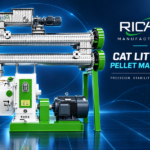


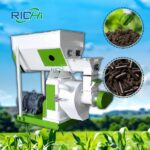


Introduction: Rethinking Waste with a Paper Pellet Machine
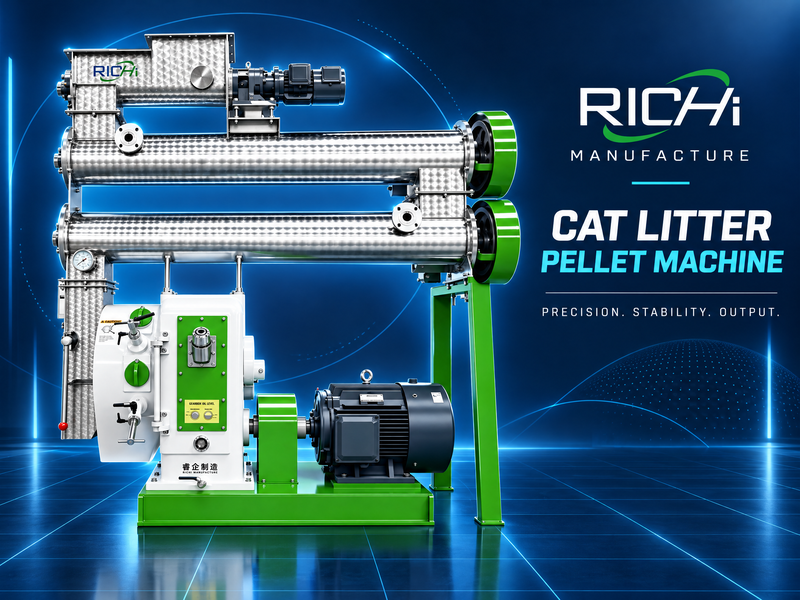
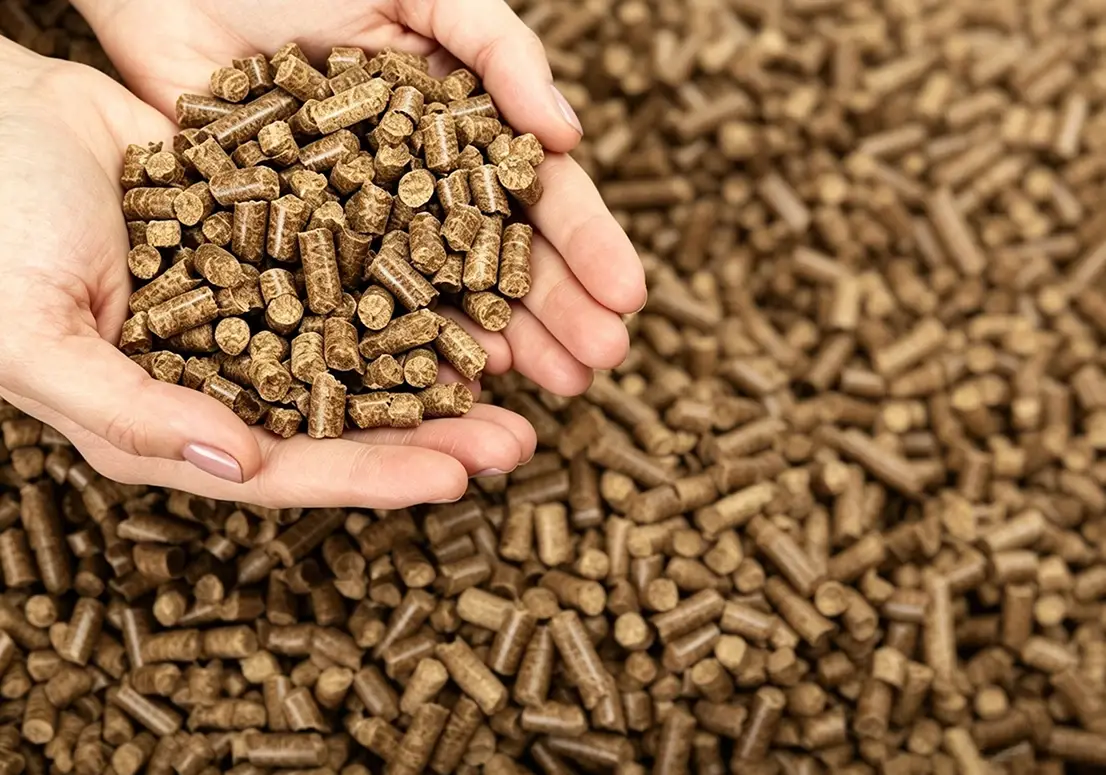
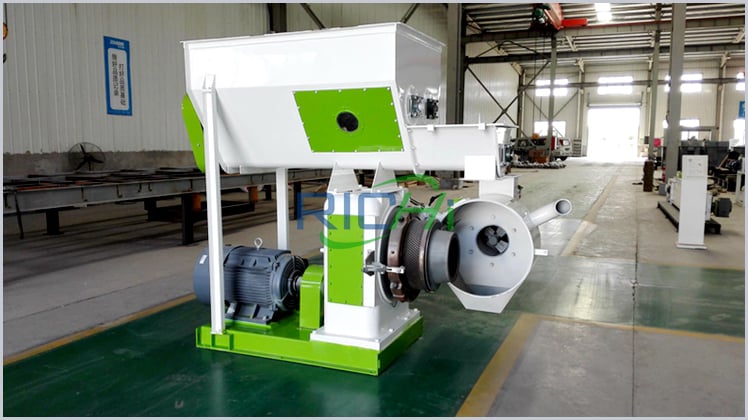
Industrial paper waste, cardboard offcuts, and pulp residues represent a largely underutilized biomass resource. A paper pellet machine converts this material into dense, combustible pellets that can supplement or replace wood pellets in many heating applications. As businesses seek to achieve zero-waste targets and reduce disposal costs, pelletizing paper residues is emerging as a practical and profitable solution.
This article explores the technology behind paper pellet machines, how they integrate into a larger wood pellet manufacturing plant, and what operators should consider when designing a full pellet line that can handle multiple feedstocks.
How a Paper Pellet Machine Processes Waste Paper
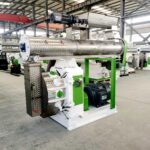
A paper pellet machine operates on the same compression principle as a wood or grass pellet press, but die specifications must be adapted for paper’s unique physical properties. Paper and cardboard have low natural lignin content, which means they often require a binder — typically starch or a food-safe adhesive — to achieve adequate pellet hardness.
Pre-processing is also critical. Paper feedstock must be shredded into uniform strips or chips, dried if necessary, and mixed with any required binders before entering the press. Some modern machines include an integrated conditioning chamber that adds moisture and binders automatically, simplifying the workflow.
Integrating with a Wood Pellet Manufacturing Plant
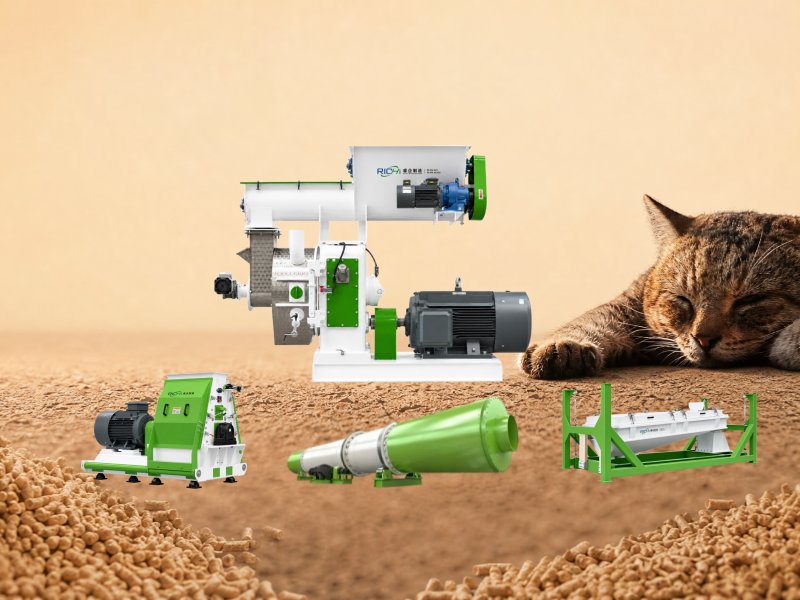
Many operators integrate a paper pellet machine alongside their existing wood pellet manufacturing plant to create a flexible multi-feedstock facility. This approach diversifies the fuel product range and allows the plant to switch feedstocks based on material availability and market prices.
Integration requires careful engineering: separate dryers, grinders, and conditioning systems may be needed for paper versus wood feedstocks, though the pellet press and downstream cooling and screening equipment can often be shared. A modular plant design with switchable feed lines is the most cost-effective approach for multi-feedstock operations.
Designing an Efficient Pellet Line
A well-designed pellet line orchestrates each processing stage to eliminate bottlenecks and maximize uptime. Key design principles include balanced capacity across all equipment (so no single machine becomes a chokepoint), redundant conveyors for critical transfer points, and centralized PLC control that allows a single operator to monitor and adjust the entire line from one workstation.
For a paper pellet line, pay particular attention to dust management. Paper processing generates significant fine particulate matter, making an effective dust collection and suppression system both a safety requirement and a regulatory necessity.
Click to Read More: Expert Guidance Before You Invest
Before purchasing a paper pellet machine or committing to a full plant build, click to read independent assessments, engineering reports, and client case studies provided by your shortlisted suppliers. Pay particular attention to energy consumption figures, pellet quality test results (durability index, moisture content, ash content), and commissioning timelines.
A transparent supplier will share this data freely. One that is reluctant to provide verifiable performance data should be approached with caution. Partnering with a supplier experienced in both wood pellet manufacturing plant design and paper feedstock processing will dramatically reduce your project risk.
https://www.richimanufacture.com/biomass-pellet-making-machine/