




A decade ago, few people outside the biomass industry paid much attention to agricultural straw. Most crop residues were treated as low-value by-products, used locally or disposed of after harvest. Today, however, straw has become part of a much larger global conversation about renewable energy, carbon reduction, and sustainable industrial development.
As countries work toward ambitious climate goals, demand for biomass fuel continues to increase. This shift is creating significant opportunities for pellet manufacturers, agricultural cooperatives, and investors seeking to participate in the growing international biomass market.
What is driving this demand? Why are straw pellets attracting attention from energy buyers around the world? And what does it take to build a successful export-oriented pellet business?
Let’s explore the factors shaping this rapidly evolving industry.
(Related Post: https://www.richipelletmill.com/straw-pellet-plant/)
The Global Shift Toward Renewable Energy
Many nations are actively reducing their dependence on fossil fuels. Governments are introducing policies designed to encourage cleaner energy production while lowering greenhouse gas emissions.
Several trends are accelerating biomass adoption:
- Carbon neutrality commitments
- Industrial decarbonization initiatives
- Coal replacement programs
- Renewable energy incentives
- Rising demand for sustainable fuel sources
Biomass pellets offer an attractive solution because they can often be integrated into existing energy infrastructure with relatively modest modifications.
As a result, energy producers are searching for reliable suppliers capable of delivering large quantities of high-quality biomass fuel.
Why Straw-Based Biomass Is Gaining Attention
Wood pellets currently dominate many biomass markets, but agricultural residues are becoming increasingly important.
Straw provides several advantages:
Abundant Availability
Millions of tons of straw are generated annually across major agricultural regions.
Sustainable Production
Unlike some natural resources, straw is replenished every growing season.
Cost Competitiveness
In many regions, straw offers lower feedstock costs compared to wood fiber.
Supply Diversification
Energy buyers value access to multiple biomass sources to reduce supply risks.
These advantages make straw an increasingly attractive feedstock for large-scale pellet manufacturing.
Export Markets Continue to Expand
Demand for biomass fuel is no longer limited to local or regional buyers.
Today, pellet producers supply customers across international markets.
Major importing regions often include:
- Europe
- East Asia
- Southeast Asia
- Middle East energy projects
- Industrial heating sectors
Many countries import biomass fuel because domestic feedstock resources cannot fully satisfy growing demand.
This creates opportunities for manufacturers capable of meeting international quality requirements.
Building Pellets for Global Buyers
Export markets typically require higher quality standards than local markets.
Buyers often evaluate:
Pellet Durability
Pellets must withstand transportation and handling without excessive breakage.
Moisture Content
Consistent moisture levels contribute to better combustion performance.
Density
Higher-density pellets improve transportation efficiency.
Ash Characteristics
Industrial users closely monitor ash content and combustion behavior.
Achieving these standards requires both quality raw materials and advanced processing technology.
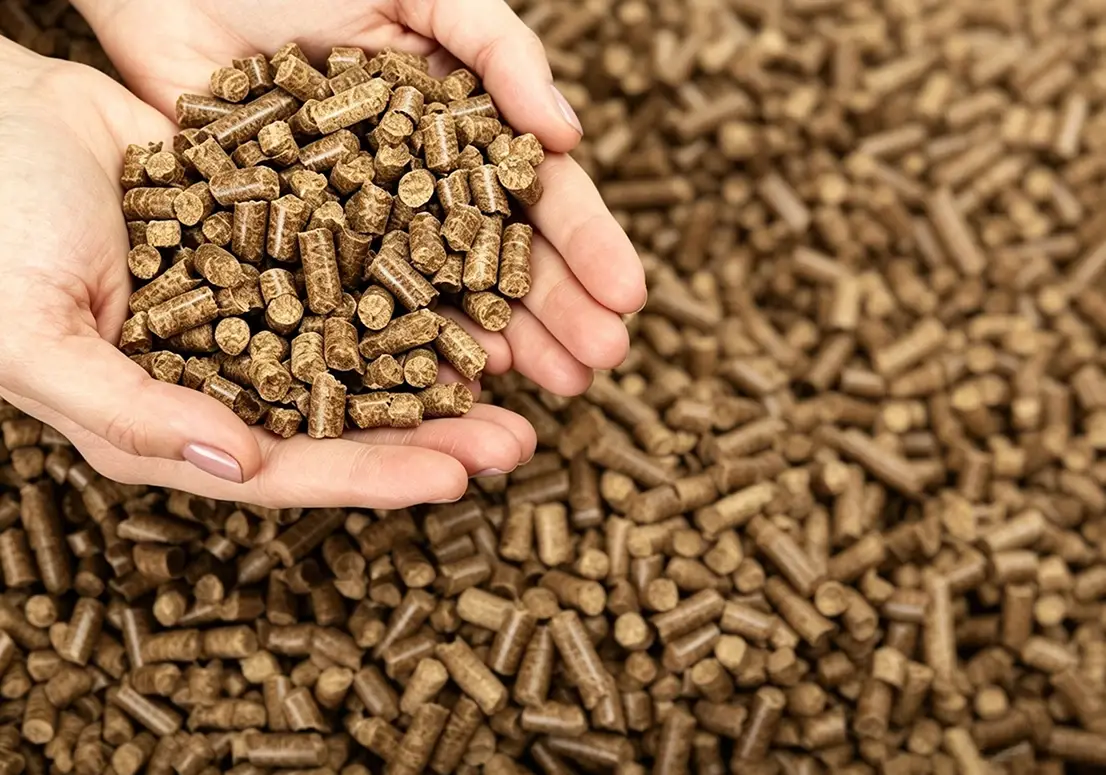
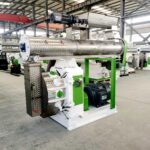
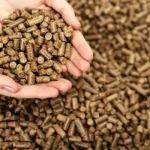
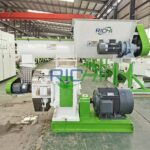
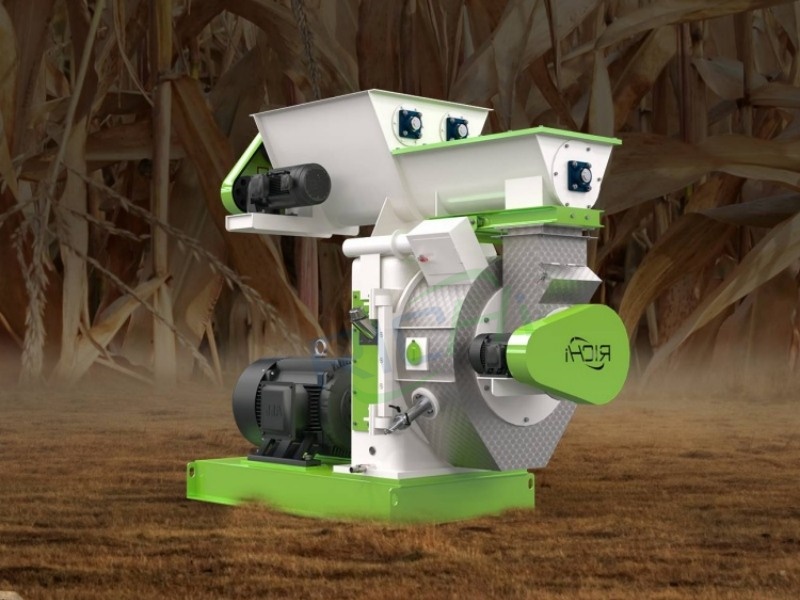
Many export-focused facilities rely on a modern straw pellet press designed to maintain consistent pellet quality across large production volumes.
The Importance of Production Scale
Export markets often require reliable, long-term supply commitments.
For this reason, many successful producers operate commercial-scale facilities capable of producing significant annual volumes.
One increasingly popular approach involves implementing a 0.5-10 T/H straw pellet production line for sale that can be customized according to available feedstock resources and target market requirements.
This flexibility allows investors to start at an appropriate scale while preserving future expansion opportunities.
Production planning should consider:
- Feedstock availability
- Transportation infrastructure
- Export logistics
- Target customer demand
- Capital investment capacity
Balancing these factors helps improve long-term competitiveness.
Logistics: The Hidden Key to Success
Many new investors focus heavily on production equipment while underestimating logistics.
In reality, transportation efficiency often determines profitability in export-oriented pellet businesses.
Important considerations include:
Feedstock Collection Radius
Long-distance raw material transportation can significantly increase costs.
Storage Capacity
Reliable inventory management helps maintain year-round supply.
Port Access
Export-focused operations benefit from efficient transportation links to shipping terminals.
Container and Bulk Shipping Options
Different markets may require different delivery methods.
Successful projects often optimize logistics before equipment selection is finalized.
Technology Trends Driving Industry Growth
Modern pellet production technology continues to improve.
Several innovations are helping producers compete more effectively in international markets.
Automation
Advanced control systems improve consistency and reduce labor requirements.
Energy Efficiency
New equipment designs help lower operating costs.
Smart Monitoring
Real-time data analysis enables faster operational adjustments.
Flexible Feedstock Processing
Modern systems can often process multiple agricultural residues with minimal changes.
Manufacturers such as Richi Pellet Mill have helped expand these capabilities by developing equipment solutions tailored to different biomass materials and production objectives.
These technological improvements continue to make pellet production more accessible and profitable.
Understanding Buyer Expectations
International biomass buyers typically look beyond price alone.
They often prioritize:
- Product consistency
- Supply reliability
- Technical support
- Sustainability documentation
- Long-term partnerships
Building trust with buyers can create significant competitive advantages.
Producers who consistently deliver quality products are often able to secure repeat business and longer-term contracts.
Sustainability as a Market Advantage
Environmental performance is becoming increasingly important throughout global supply chains.
Straw pellet production offers several sustainability benefits.
Reduced Agricultural Waste
Crop residues gain productive value instead of being discarded.
Lower Fossil Fuel Dependence
Biomass fuels support renewable energy goals.
Circular Resource Utilization
Agricultural by-products remain economically productive.
Rural Economic Development
Pellet facilities generate employment and additional income opportunities.
These benefits can strengthen market positioning and attract environmentally conscious buyers.
Common Mistakes New Producers Should Avoid
Although biomass markets offer attractive opportunities, success requires careful planning.
Some common challenges include:
Overestimating Feedstock Availability
A detailed supply assessment should always precede investment decisions.
Ignoring Quality Standards
Export buyers generally maintain strict specifications.
Underestimating Logistics Costs
Transportation expenses can significantly affect profitability.
Choosing Inappropriate Equipment
Production systems should match both feedstock characteristics and business objectives.
Thorough project planning helps reduce these risks.
The Future of International Biomass Trade
Most industry analysts expect biomass demand to continue expanding over the coming decades.
Several factors support this outlook:
- Renewable energy policies
- Carbon reduction commitments
- Growing industrial sustainability initiatives
- Energy security concerns
- Increasing investment in clean technologies
These trends suggest that agricultural biomass will continue playing an important role in global energy markets.
For businesses seeking additional insights into international pellet production and market opportunities, top article resources often provide valuable information about emerging industry developments and successful project examples.
Conclusion
Straw pellets are evolving from a regional agricultural product into an internationally traded renewable energy commodity.
With abundant feedstock resources, advancing production technologies, and growing global demand, producers have unprecedented opportunities to participate in the expanding biomass economy.
Companies that focus on quality, efficiency, sustainability, and long-term customer relationships will be best positioned to succeed as international biomass markets continue to develop.