


Introduction: The Importance of Aquatic Feed Pellets in Modern Aquaculture
Aquaculture has become one of the fastest-growing food production industries in the world. With increasing demand for fish, shrimp, and other aquatic products, farmers are continuously looking for ways to improve production efficiency, reduce costs, and maintain sustainable farming practices. Among all factors influencing aquaculture success, feed quality plays a decisive role.
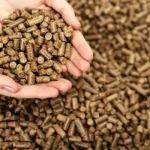
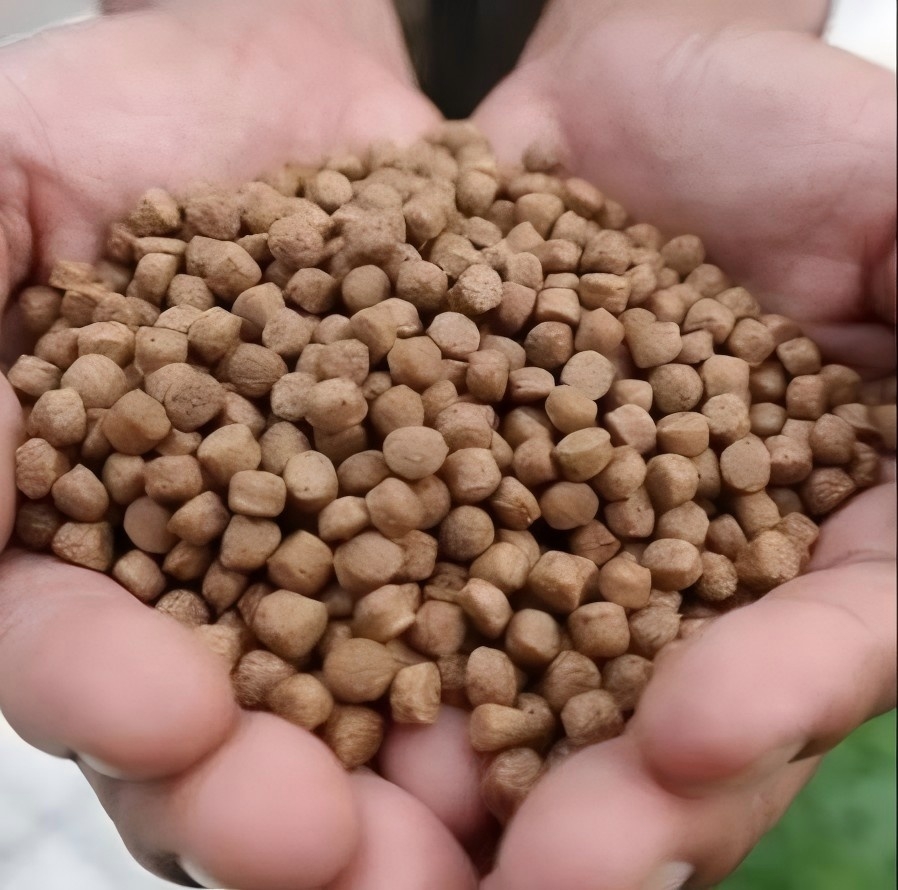
Aquatic feed pellets have become the preferred feeding solution for many commercial aquaculture operations because they provide balanced nutrition, efficient feeding management, and improved resource utilization. Compared with traditional feeding methods, pelletized feed offers better nutrient consistency, easier storage, reduced waste, and improved growth performance.
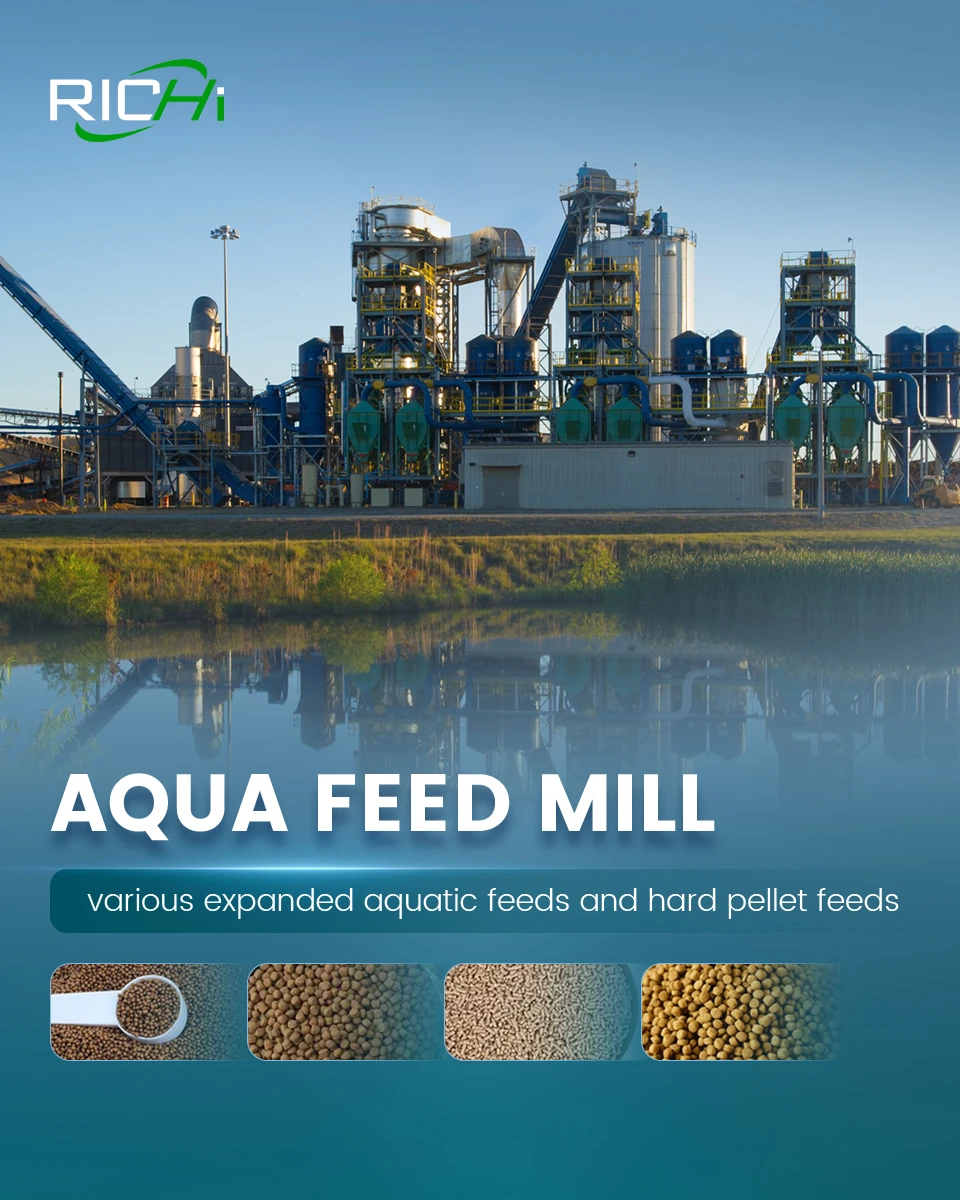
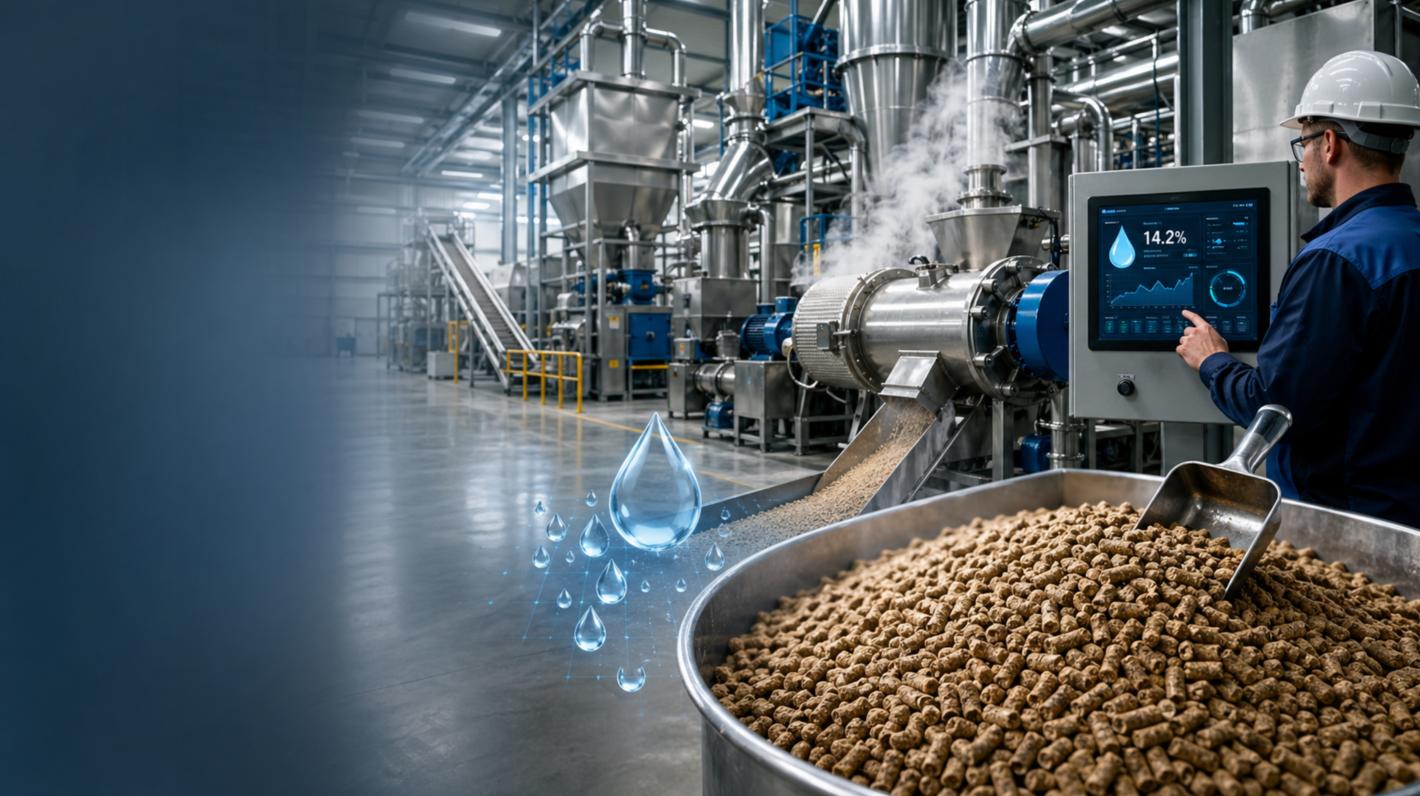
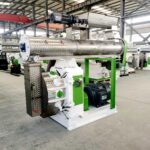
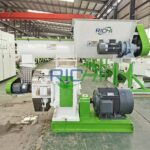
The development of modern feed processing technology has greatly improved the quality and performance of aquatic feed pellets. Advanced extrusion equipment allows manufacturers to produce pellets with specific characteristics, such as floating ability, water stability, suitable density, and high digestibility. Among these technologies, the twin screw floating fish feed extruder is widely used in professional aquatic feed production because it provides excellent mixing, processing stability, and precise control over pellet quality.
From improving fish growth to reducing environmental impact, aquatic feed pellets provide significant benefits throughout the aquaculture production chain. Understanding these advantages helps farmers and feed manufacturers make better decisions and achieve more efficient operations.
Balanced Nutrition Supports Healthy Aquatic Growth
One of the most important benefits of aquatic feed pellets is their ability to provide balanced nutrition. Unlike natural feeding methods where nutrient availability may vary significantly, professionally manufactured pellets are formulated according to the specific nutritional requirements of aquatic animals.
High-quality aquatic feed pellets usually contain:
- Protein
- Carbohydrates
- Lipids
- Vitamins
- Minerals
- Functional additives
Protein for Growth Development
Protein is essential for muscle formation, tissue repair, and overall growth. Fish require sufficient levels of high-quality protein to achieve optimal production performance.
Aquatic feed pellets can combine different protein sources, including:
- Fish meal
- Soybean meal
- Plant proteins
- Other protein ingredients
This allows manufacturers to create cost-effective formulas while maintaining nutritional performance.
Energy for Metabolism
Carbohydrates and fats provide energy for daily activities and biological functions. A balanced energy supply helps fish use protein more efficiently for growth.
Vitamins and Minerals for Health
Micronutrients support:
- Immune system function
- Bone development
- Reproduction
- Stress resistance
Because every pellet contains a consistent nutrient profile, aquatic animals receive more reliable nutrition throughout their growth cycle.
Improved Feed Conversion Ratio Reduces Farming Costs
Feed conversion ratio (FCR) is a key measurement in aquaculture profitability. It represents how efficiently animals convert feed into body weight.
High-quality aquatic feed pellets help improve FCR because they are designed for better nutrient utilization.
Compared with loose or poorly processed feed, pellets provide:
- Higher nutrient concentration
- Better digestibility
- Reduced nutrient loss
- More efficient feeding
When fish can absorb more nutrients from each pellet, farmers need less feed to achieve the same growth results.
This creates several economic benefits:
- Lower feed expenses
- Faster growth cycles
- Higher production efficiency
- Improved profitability
For large-scale aquaculture farms, even small improvements in feed conversion can generate significant financial advantages.
Better Feeding Management with Floating Pellets
One of the major advantages of aquatic feed pellets is improved feeding control, especially when floating pellets are used.
Floating pellets remain visible on the water surface after feeding, allowing farmers to observe fish feeding behavior.
Farmers can easily evaluate:
- Whether fish are actively feeding
- How much feed is required
- Whether feeding rates should be adjusted
- When fish have consumed enough feed
This visibility helps prevent overfeeding, which is a common cause of unnecessary costs and water pollution.
The production of high-quality floating pellets relies on advanced extrusion technology. A twin screw floating fish feed extruder provides precise processing control and helps create pellets with stable floating performance.
By improving feeding management, floating pellets allow farmers to use feed more efficiently and reduce operational expenses.
https://richipelletizer.com/floating-fish-feed-extruder-machine
Reduced Feed Waste Improves Water Quality
Feed waste is a major challenge in intensive aquaculture systems. Uneaten feed can accumulate in ponds or tanks, causing water quality problems.
Excess nutrients released from wasted feed may lead to:
- Increased ammonia levels
- Reduced oxygen availability
- Algae growth
- Stress for aquatic animals
Aquatic feed pellets help solve this problem through improved physical properties.
High-quality pellets provide:
Good Water Stability
Pellets maintain their structure in water long enough for fish to consume them.
Controlled Floating Ability
Farmers can monitor and manage feeding more effectively.
Reduced Nutrient Leakage
More nutrients remain available for animal consumption instead of dissolving into water.
As a result, aquatic feed pellets contribute to cleaner farming environments and more sustainable aquaculture practices.
Extrusion Technology Improves Pellet Quality
The quality of aquatic feed pellets depends greatly on the production process. Extrusion technology has become one of the most important methods for producing modern aquatic feed.
During extrusion, feed materials undergo:
- High temperature
- Pressure
- Mechanical shear
These conditions improve the structure and nutritional characteristics of feed.
Extrusion provides several advantages:
- Better starch gelatinization
- Improved digestibility
- Stronger pellet structure
- Enhanced water resistance
- More stable floating performance
The twin screw floating fish feed extruder is particularly valuable for commercial feed production because its twin-screw design provides better mixing ability and more stable processing compared with traditional systems.
This equipment helps manufacturers produce pellets with:
- Uniform size
- Consistent density
- Reliable quality
- High production efficiency
The Advantages of Twin Screw Floating Fish Feed Extruder Technology
A twin screw floating fish feed extruder is designed to meet the requirements of modern aquatic feed manufacturers.
Compared with simpler extrusion systems, twin screw technology offers several advantages.
Superior Mixing Performance
The twin-screw structure provides stronger material mixing, ensuring that ingredients and additives are evenly distributed.
This results in:
- More consistent nutrition
- Better pellet quality
- Stable production results
Better Processing Flexibility
Twin screw extruders can handle different formulas and raw materials, including complex aquatic feed recipes.
Manufacturers can produce feed for:
- Different fish species
- Different growth stages
- Different market requirements
Stable Production Performance
The equipment provides reliable operation for large-scale production.
Stable processing conditions help maintain consistent pellet characteristics.
Improved Pellet Expansion Control
Precise extrusion control allows manufacturers to adjust pellet density and floating ability according to customer needs.
These advantages make twin screw extrusion technology an important choice for advanced aquatic feed factories.
Suitable Pellet Size Improves Feeding Efficiency
Aquatic feed pellets can be produced in different sizes to match the feeding habits of various species and growth stages.
Proper pellet size provides several benefits:
- Easier feeding
- Reduced feed loss
- Improved nutrient intake
- Faster growth
For example:
Juvenile Fish
Small fish require smaller pellets that are easy to consume and digest.
Growing Fish
Medium-sized pellets provide balanced nutrition during rapid growth periods.
Adult Fish
Larger pellets are suitable for mature fish with higher feed intake.
Modern extrusion equipment allows manufacturers to adjust pellet size by changing dies and processing parameters.
This flexibility helps feed producers serve different markets with specialized products.
Longer Shelf Life and Easier Storage
Aquatic feed pellets also provide advantages in storage and transportation.
Compared with fresh or loose feed materials, pellets are:
- More stable
- Easier to package
- Less likely to deteriorate
- More convenient to transport
Properly processed pellets have lower moisture content and stronger physical structure, which improves storage performance.
Benefits include:
- Reduced product losses
- Lower transportation costs
- Longer shelf life
- Easier inventory management
For commercial feed manufacturers and distributors, these characteristics improve supply chain efficiency.
Supporting Customized Aquaculture Solutions
Another important advantage of aquatic feed pellets is their flexibility. Manufacturers can customize formulas and pellet characteristics based on specific customer requirements.
Customization can include:
- Protein level
- Fat content
- Pellet size
- Floating performance
- Functional additives
Different farming systems may require different feed solutions.
Examples include:
- High-protein feed for fast-growing fish
- Special feed for shrimp farming
- Small pellets for juvenile fish
- Floating feed for surface-feeding species
Advanced pellet production technology allows manufacturers to meet diverse market demands.
(Learn more about customized floating fihs feed plant)
Improving Sustainable Aquaculture Development
Sustainability is becoming increasingly important in the aquaculture industry. Aquatic feed pellets contribute to sustainable development by improving resource efficiency.
Benefits include:
- Lower feed waste
- Better nutrient utilization
- Reduced environmental impact
- Improved farming efficiency
When fish utilize feed more effectively, fewer resources are required to produce the same amount of aquatic products.
Advanced extrusion technology also supports the use of alternative ingredients, helping manufacturers develop more sustainable feed formulas.
Increasing Production Efficiency for Feed Manufacturers
For feed manufacturers, producing aquatic feed pellets provides business advantages beyond product quality.
Modern pellet production systems improve:
- Production capacity
- Product consistency
- Energy efficiency
- Market competitiveness
Equipment such as the twin screw floating fish feed extruder allows factories to produce large quantities of high-quality feed while maintaining stable operation.
Automated production lines further improve efficiency through:
- Automatic batching
- Continuous processing
- Quality monitoring
- Automated packaging
These technologies help manufacturers meet growing market demand while controlling production costs.
Choosing the Right Equipment for Aquatic Feed Pellet Production
The success of aquatic feed pellet production depends on selecting suitable equipment.
Important factors include:
Production Capacity
Equipment should match current demand and future expansion plans.
Feed Requirements
Different products may require different processing capabilities.
Raw Material Characteristics
The equipment should handle the intended ingredient combinations effectively.
Quality Requirements
The production system should provide consistent pellet performance.
A reliable extrusion system helps manufacturers achieve:
- Stable output
- High-quality pellets
- Lower operating costs
- Long-term production efficiency
Professional equipment selection is essential for building a competitive aquatic feed business. (go to website: Richi machinery manufacture)
Future Development Trends of Aquatic Feed Pellets
The demand for aquatic feed pellets will continue increasing as aquaculture expands worldwide.
Future trends include:
- More sustainable ingredients
- Smart production systems
- Improved nutritional formulas
- Higher automation levels
- More efficient extrusion technologies
The development of advanced equipment, including the twin screw floating fish feed extruder, will continue improving pellet quality and production efficiency.
These innovations will help the aquaculture industry produce more food while using fewer resources.
Conclusion: Aquatic Feed Pellets Create Value for Modern Aquaculture
Aquatic feed pellets provide numerous benefits for farmers, manufacturers, and the environment. They deliver balanced nutrition, improve feed conversion efficiency, reduce waste, support better feeding management, and enhance sustainable aquaculture development.
Advanced extrusion technology has further improved the performance of aquatic feed pellets. The use of a twin screw floating fish feed extruder enables manufacturers to produce high-quality floating feed with excellent consistency, digestibility, and water stability.
As the global aquaculture industry continues to grow, the importance of efficient and reliable feed solutions will increase. By adopting modern pellet production technology and focusing on feed quality, businesses can improve profitability, support healthier aquatic growth, and achieve long-term success in the competitive aquaculture market.