

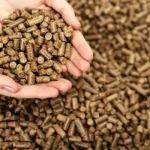


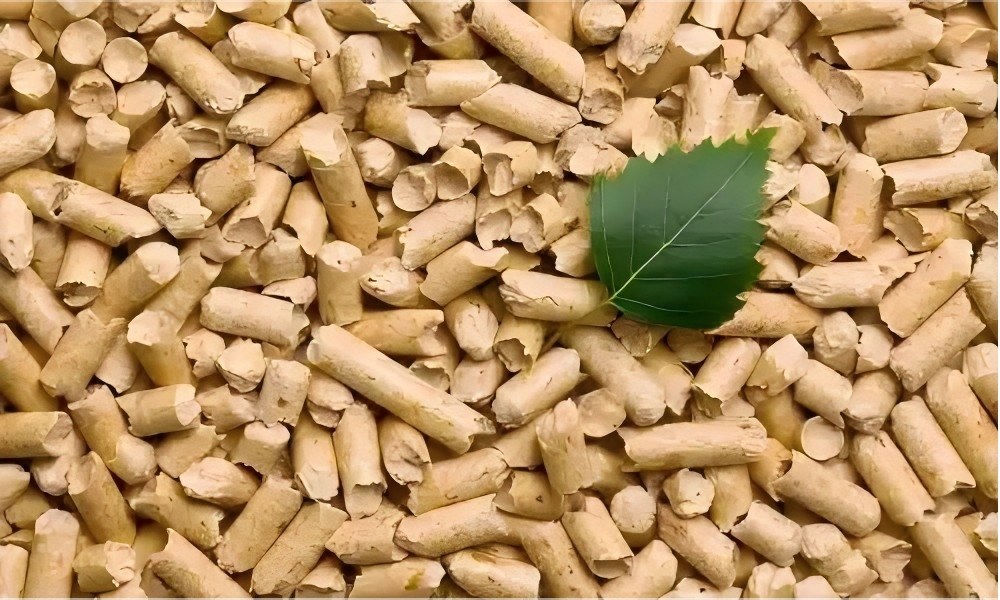
Biomass pelletizing has become a critical process in the renewable energy industry, transforming agricultural residues, forestry waste, and other organic materials into high-density fuel pellets. As global demand for biomass pellets continues to grow, producers are under increasing pressure to maximize productivity, reduce operating costs, and maintain consistent pellet quality. Improving pelletizing efficiency is therefore one of the most important goals for biomass pellet manufacturers.
Pelletizing efficiency influences nearly every aspect of production, including energy consumption, equipment utilization, raw material costs, labor requirements, and final product quality. Whether operating a small pellet plant or a large-scale commercial facility, optimizing efficiency can significantly improve profitability and competitiveness.
Modern technologies, advanced process management, and equipment such as the industrial vertical pellet machine have provided manufacturers with new opportunities to increase production efficiency. Understanding the factors that influence pelletizing performance is essential for achieving sustainable and cost-effective operations.
Understanding Biomass Pelletizing Efficiency
Biomass pelletizing efficiency refers to the ability to convert raw biomass materials into high-quality pellets while minimizing energy consumption, material losses, downtime, and operating expenses.
Several key indicators are commonly used to evaluate pelletizing efficiency:
- Production capacity
- Energy consumption per ton
- Pellet durability
- Equipment utilization rate
- Raw material conversion efficiency
- Maintenance frequency
- Product consistency
Improving these indicators allows pellet producers to maximize output while reducing overall production costs.
Start with High-Quality Raw Materials
Efficient pellet production begins with proper raw material selection.
Biomass feedstocks commonly include:
- Sawdust
- Wood chips
- Rice husks
- Wheat straw
- Corn stalks
- Palm fiber
- Sugarcane bagasse
- Forestry residues
The quality of these materials directly affects pelletizing performance.
Ideal feedstocks should have:
- Uniform particle size
- Appropriate moisture content
- Minimal contamination
- Consistent composition
Poor-quality raw materials often result in reduced pellet durability, increased machine wear, and lower production efficiency.
Optimize Moisture Content
Moisture content is one of the most critical factors affecting pelletizing efficiency.
If moisture levels are too high:
- Pellet density decreases
- Production capacity drops
- Energy consumption increases
- Pellets may crack during cooling
If moisture levels are too low:
- Material binding becomes difficult
- Pellet durability decreases
- Dust generation increases
For most biomass materials, the optimal moisture range is between 10% and 15%.
Proper drying systems help maintain consistent moisture levels and improve pellet quality.
Improve Raw Material Preparation
Effective preprocessing significantly enhances pelletizing performance.
Raw material preparation generally includes:
Size Reduction
Uniform particle size improves material flow and compression.
Grinding equipment should produce particles suitable for pellet formation without excessive fines.
Screening
Removing oversized particles and contaminants helps prevent machine blockages and die damage.
Mixing
Blending different biomass materials can improve pellet characteristics and production stability.
Proper feedstock preparation reduces production interruptions and supports consistent pellet quality.
Select the Right Pelletizing Equipment
Equipment selection has a major impact on overall production efficiency.
Modern pellet mills are designed to handle diverse biomass materials while maintaining stable operation.
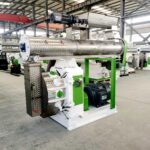
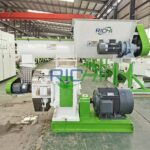
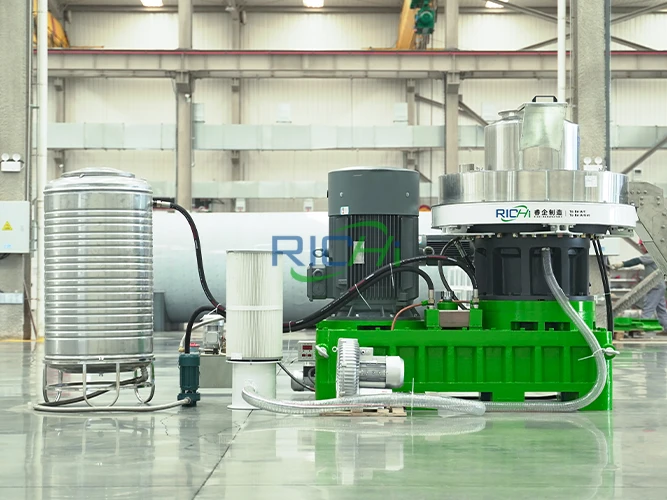
An industrial vertical pellet machine offers several advantages compared with traditional pelletizing systems.
https://pelletisingmachine.com/vertical-biomass-pellet-mill
Improved Material Flow
Gravity-assisted feeding reduces material accumulation and improves process stability.
Higher Compression Efficiency
The vertical structure promotes more uniform pressure distribution during pellet formation.
Better Pellet Quality
Consistent compression results in denser and more durable pellets.
Lower Wear Rates
Optimized design reduces stress on critical components.
Increased Production Capacity
Many producers achieve higher throughput using an industrial vertical pellet machine due to its efficient operating characteristics.
Choosing the appropriate pelletizing equipment is often one of the most effective ways to improve plant performance.
Maintain Proper Die and Roller Conditions
The die and rollers are among the most important components in a pellet mill.
Their condition directly affects:
- Pellet quality
- Production rate
- Energy consumption
- Equipment lifespan
Regular inspection is essential.
Maintenance practices should include:
- Monitoring wear patterns
- Replacing damaged components
- Ensuring proper roller clearance
- Cleaning die holes
Worn dies can reduce pellet density and significantly decrease production efficiency.
Preventive maintenance helps avoid costly downtime and maintains stable production performance.
Optimize Die Specifications
Different biomass materials require different die configurations.
Key die parameters include:
- Hole diameter
- Compression ratio
- Effective length
- Material hardness
Selecting the correct die design improves:
- Pellet formation
- Production capacity
- Energy efficiency
- Product durability
Producers should evaluate feedstock characteristics when selecting die specifications.
Improve Feeding Consistency
Inconsistent feeding can negatively affect pellet production.
Common feeding problems include:
- Material surges
- Feed interruptions
- Uneven material distribution
These issues may cause:
- Production instability
- Pellet quality variations
- Increased wear
- Equipment overload
Automated feeding systems help maintain a stable material supply and improve overall efficiency.
Consistent feed rates allow pellet mills to operate under optimal conditions. (click reference)
Utilize Automation Technologies
Automation has become an increasingly important tool for improving pellet plant performance.
Modern control systems can monitor:
- Moisture content
- Temperature
- Motor load
- Feed rates
- Production output
Benefits of automation include:
- Reduced labor costs
- Improved consistency
- Faster problem detection
- Better process optimization
Automated systems help operators make real-time adjustments and maintain optimal operating conditions.
Monitor Temperature Carefully
Temperature plays a crucial role in biomass pelletizing.
During compression, friction generates heat that softens lignin, the natural binder found in biomass materials.
Proper temperature control improves:
- Pellet durability
- Density
- Surface quality
Excessive temperatures may cause:
- Die blockage
- Material degradation
- Equipment damage
Insufficient temperatures can lead to weak pellets and poor production efficiency.
Continuous monitoring helps maintain ideal operating conditions.
Reduce Equipment Downtime
Downtime is one of the largest contributors to reduced production efficiency.
Common causes include:
- Mechanical failures
- Die blockages
- Feeding problems
- Electrical issues
- Inadequate maintenance
Strategies for minimizing downtime include:
- Preventive maintenance programs
- Spare parts inventory management
- Staff training
- Equipment monitoring systems
Reducing unplanned shutdowns can significantly increase annual production output.
Improve Cooling Efficiency
Cooling is an essential step in pellet production.
Freshly produced pellets contain residual heat and moisture.
Proper cooling:
- Increases pellet hardness
- Improves durability
- Prevents deformation
- Enhances storage stability
Inefficient cooling can result in:
- Cracked pellets
- Excessive fines
- Reduced product quality
Optimizing cooling systems contributes directly to overall plant efficiency.
Minimize Material Losses
Material losses reduce profitability and waste valuable resources.
Common sources of loss include:
- Dust generation
- Product breakage
- Material spillage
- Improper handling
Effective dust collection systems help recover usable material and improve workplace safety.
Good plant design and equipment maintenance also reduce losses throughout the production process.
Improve Energy Efficiency
Energy consumption represents a significant portion of pellet production costs.
Methods for reducing energy use include:
Efficient Drying Systems
Drying often accounts for a large share of total energy consumption.
Modern drying technologies can significantly improve energy utilization.
High-Efficiency Motors
Energy-efficient motors reduce electricity costs and improve equipment performance.
Optimized Process Flow
Reducing unnecessary material handling lowers energy requirements.
Advanced Pellet Mills
An industrial vertical pellet machine often delivers improved energy efficiency through optimized mechanical design and stable operation.
Reducing energy consumption improves both profitability and environmental sustainability.
Train Operators Effectively
Even advanced equipment requires skilled operators.
Proper training helps employees:
- Identify potential problems
- Optimize machine settings
- Perform maintenance tasks
- Maintain product quality
Well-trained personnel contribute significantly to production efficiency and equipment reliability.
Regular training programs ensure operators remain familiar with evolving technologies and best practices.
Establish Comprehensive Quality Control
Quality control helps maintain consistent pellet performance while reducing waste.
Important quality parameters include:
- Pellet diameter
- Density
- Moisture content
- Durability
- Ash content
Routine testing allows producers to identify process issues before they affect large production volumes.
Strong quality control programs improve customer satisfaction and operational efficiency.
Optimize Plant Layout
Facility design can have a substantial impact on production efficiency.
An efficient layout minimizes:
- Material transportation distances
- Handling requirements
- Bottlenecks
- Labor demands
Well-designed plants improve workflow and reduce operating costs.
When installing an industrial vertical pellet machine, proper integration with upstream and downstream equipment further enhances efficiency. (Related machine: efficient biomass pellet mill)
Utilize Data-Driven Decision Making
Modern biomass pellet plants increasingly rely on production data to optimize operations.
Performance monitoring can track:
- Production rates
- Energy usage
- Equipment performance
- Downtime causes
- Product quality trends
Data analysis helps managers identify opportunities for improvement and implement corrective actions.
The use of digital monitoring systems supports continuous process optimization.
Consider Feedstock Blending
Some biomass materials may not pelletize efficiently on their own.
Blending different feedstocks can improve:
- Binding characteristics
- Pellet density
- Production stability
- Energy content
For example, combining agricultural residues with wood materials often enhances pellet durability and process efficiency.
Proper feedstock blending expands raw material options while improving operational performance.
Invest in Modern Technology
Technological innovation continues to transform the biomass pellet industry.
Emerging technologies include:
- Smart sensors
- Predictive maintenance systems
- Automated quality control
- Advanced drying technologies
- Artificial intelligence-driven process management
These innovations help producers achieve higher productivity and lower operating costs.
Facilities equipped with modern systems often outperform older plants in both efficiency and profitability.
Environmental Benefits of Efficient Pelletizing
Improving pelletizing efficiency provides environmental advantages as well.
Efficient production reduces:
- Energy consumption
- Carbon emissions
- Material waste
- Resource use
By maximizing the utilization of renewable biomass resources, efficient pellet plants contribute to broader sustainability goals and support the global transition to cleaner energy.
Future Trends in Biomass Pelletizing Efficiency
The future of biomass pellet production will likely focus on:
- Increased automation
- Improved energy efficiency
- Advanced equipment designs
- Enhanced process monitoring
- Greater feedstock flexibility
The continued development of technologies such as the industrial vertical pellet machine will play a major role in achieving these objectives.
As the renewable energy industry expands, efficiency improvements will become increasingly important for maintaining competitiveness and meeting growing market demand.
Conclusion
Improving biomass pelletizing efficiency requires a comprehensive approach that addresses raw material quality, moisture control, equipment selection, process optimization, maintenance practices, and operator training. Every stage of production influences overall plant performance and profitability.
Modern technologies, particularly the industrial vertical pellet machine, have significantly enhanced pellet production capabilities by improving material flow, reducing energy consumption, increasing throughput, and producing higher-quality pellets. Combined with automation, preventive maintenance, and data-driven management, these innovations help pellet manufacturers achieve greater operational efficiency.
As biomass energy continues to gain importance within the global renewable energy sector, improving pelletizing efficiency will remain essential for reducing costs, increasing production capacity, and supporting sustainable energy development. Facilities that successfully optimize their operations will be well positioned to meet future market demands and contribute to a cleaner, more sustainable energy future.