



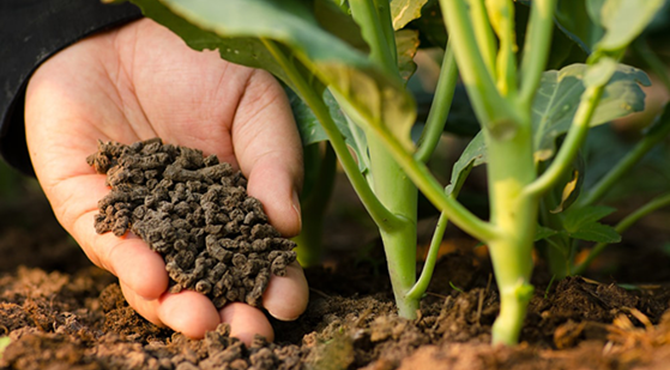
Organic fertilizer pellets have become one of the most important products in sustainable agriculture. They are widely used to improve soil fertility, enhance crop yield, and recycle organic waste materials that would otherwise pollute the environment. One of the key factors that determines the quality of organic fertilizer pellets is the type of raw materials used in production.
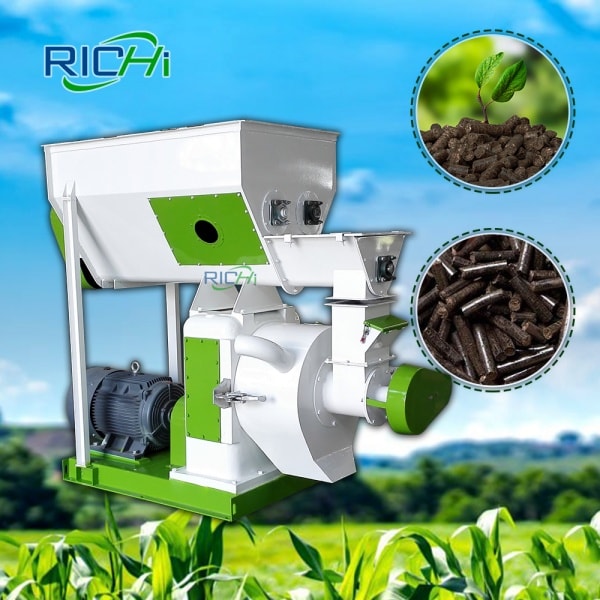
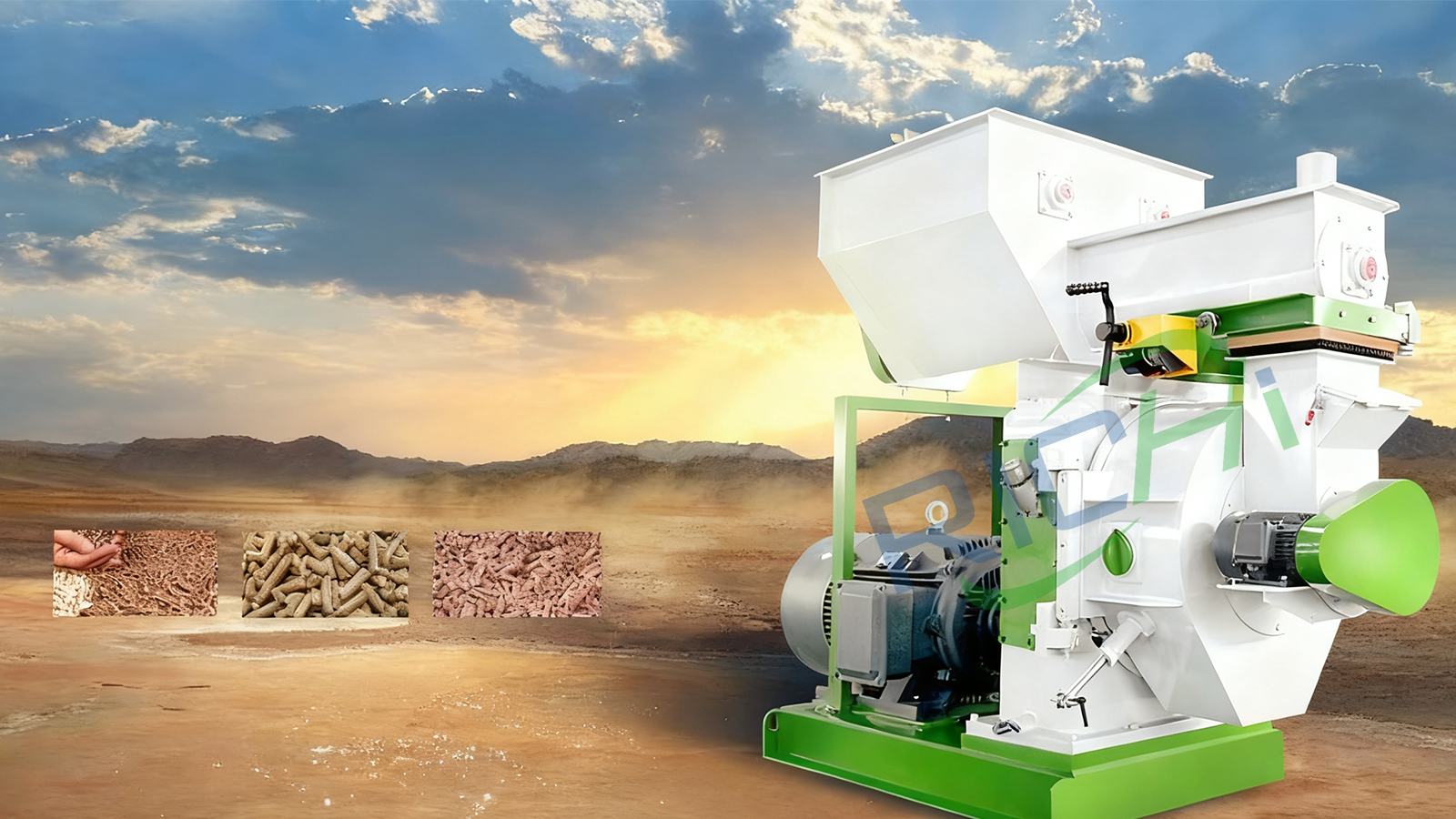
Understanding what raw materials are used in organic fertilizer pellets is essential for farmers, fertilizer manufacturers, and investors in the agricultural industry. It also helps explain how different ingredients affect nutrient content, soil improvement, and pellet performance. In modern production systems, machines such as the organic fertilizer pellet mill play a crucial role in converting these raw materials into high-quality, uniform pellets suitable for agricultural use.
This article provides a comprehensive explanation of the main raw materials used in organic fertilizer pellets, their characteristics, benefits, and how they are processed into finished products.
1. Overview of Organic Fertilizer Pellet Production
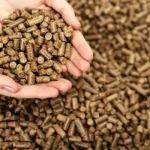
Organic fertilizer pellets are made by processing natural organic materials through fermentation, crushing, mixing, and pelletizing. The goal is to convert raw waste materials into stable, nutrient-rich pellets that can be easily applied to soil.
The general production process includes:
- Collection of raw materials
- Composting and fermentation
- Crushing and mixing
- Moisture adjustment
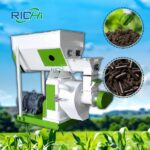
- Pelletizing using an organic fertilizer pellet mill
- Drying and cooling
- Screening and packaging
Each stage ensures that the raw materials are transformed into a stable and effective fertilizer product.
2. Importance of Raw Materials in Organic Fertilizer Pellets
Raw materials determine the quality, nutrient composition, and effectiveness of organic fertilizer pellets.
2.1 Nutrient Content
Different materials contain different levels of:
- Nitrogen (N)
- Phosphorus (P)
- Potassium (K)
- Organic carbon
2.2 Soil Improvement Ability
High-quality raw materials improve:
- Soil structure
- Water retention
- Microbial activity
2.3 Pellet Formation Quality
Some materials bind better during pelletizing in an organic fertilizer pellet mill, affecting pellet hardness and durability.
https://richipelletizer.com/organic-fertilizer-pellet-machine
3. Animal Manure: The Most Common Raw Material
Animal manure is the most widely used raw material in organic fertilizer production.
3.1 Cow Manure
Cow manure is rich in organic matter and fiber.
Characteristics:
- High moisture content
- Moderate nutrient levels
- Excellent soil conditioning ability
Benefits:
- Improves soil structure
- Enhances microbial activity
- Suitable for large-scale production
3.2 Chicken Manure
Chicken manure is one of the most nutrient-rich organic materials.
Characteristics:
- High nitrogen content
- Strong fertilizer effect
- Requires proper composting due to high ammonia levels
Benefits:
- Promotes fast plant growth
- Increases soil fertility rapidly
- Ideal for commercial fertilizer production
3.3 Pig Manure
Pig manure is widely available in livestock farming regions.
Characteristics:
- Balanced nutrient composition
- High organic matter content
Benefits:
- Improves soil fertility
- Supports long-term soil health
- Suitable for mixing with straw or other materials
3.4 Sheep Manure
Sheep manure is dry and easy to process.
Characteristics:
- Low moisture content
- High fiber content
Benefits:
- Easy to compost
- Good for sandy soils
- Improves soil aeration
4. Agricultural Waste Materials
Agricultural residues are another major category of raw materials used in organic fertilizer pellets.
4.1 Straw (Wheat, Rice, Corn)
Straw is one of the most abundant agricultural by-products.
Characteristics:
- High carbon content
- Low nutrient concentration
- Excellent structure for composting
Benefits:
- Improves soil aeration
- Balances nitrogen-rich manure
- Reduces waste burning pollution
Straw is often mixed with animal manure before being processed in an organic fertilizer pellet mill.
4.2 Rice Husk
Rice husk is widely available in rice-producing regions.
Characteristics:
- High silica content
- Hard and fibrous structure
Benefits:
- Improves soil drainage
- Increases soil porosity
- Enhances pellet hardness
4.3 Corn Stalks
Corn stalks are a valuable agricultural residue.
Characteristics:
- High carbon content
- Easily decomposed after crushing
Benefits:
- Provides organic matter
- Enhances soil structure
- Balances nutrient ratios in compost
5. Industrial Organic Waste
Industrial organic waste is increasingly used in fertilizer production due to recycling and environmental concerns.
5.1 Food Waste
Food waste includes:
- Vegetable residues
- Fruit peels
- Kitchen waste
Benefits:
- High nutrient content
- Easily decomposed
- Reduces landfill pressure
5.2 Brewery Waste
Brewery waste is rich in organic nutrients.
Characteristics:
- High protein content
- Moist and soft texture
Benefits:
- Enhances microbial activity
- Improves fertilizer efficiency
- Excellent for compost fermentation
5.3 Sugar Industry By-products
Examples include:
- Bagasse
- Molasses residues
Benefits:
- Rich in organic carbon
- Supports microbial fermentation
- Improves pellet binding during processing in an organic fertilizer pellet mill
6. Forestry and Natural Plant Waste
6.1 Sawdust
Sawdust is a common by-product of wood processing.
Characteristics:
- High carbon content
- Low nitrogen content
Benefits:
- Improves soil structure
- Helps balance C/N ratio
- Enhances pellet formation stability
6.2 Leaves and Grass Waste
Natural plant waste is widely available in urban and rural areas.
Benefits:
- Easily decomposed
- Improves soil organic content
- Enhances microbial diversity
7. Mineral Additives in Organic Fertilizer Pellets
In addition to organic materials, mineral additives are often included to enhance nutrient balance.
7.1 Phosphate Rock Powder
- Provides phosphorus
- Supports root development
7.2 Potassium Minerals
- Improves fruit quality
- Enhances plant resistance
7.3 Lime Powder
- Adjusts soil pH
- Reduces soil acidity
These additives are mixed with organic materials before pelletizing in an organic fertilizer pellet mill.
8. Microbial Agents and Biological Additives
Microorganisms are essential in modern organic fertilizer production.
8.1 Beneficial Bacteria
- Decompose organic matter
- Release nutrients
8.2 Fungi
- Improve soil structure
- Enhance nutrient absorption
8.3 Enzyme Preparations
- Accelerate fermentation
- Improve compost quality
These biological additives increase fertilizer effectiveness significantly.
9. How Raw Materials Are Processed Before Pelletizing
Before entering the organic fertilizer pellet mill, raw materials must be properly processed.
9.1 Fermentation
Organic materials are composted to:
- Kill pathogens
- Stabilize nutrients
- Reduce moisture
9.2 Crushing
Large materials are crushed into fine particles for uniformity.
9.3 Mixing
Different raw materials are blended to achieve balanced nutrition.
9.4 Moisture Adjustment
Ideal moisture content is typically:
- 20%–30%
This ensures efficient pellet formation.
10. Role of Organic Fertilizer Pellet Mill in Production
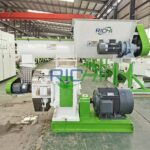
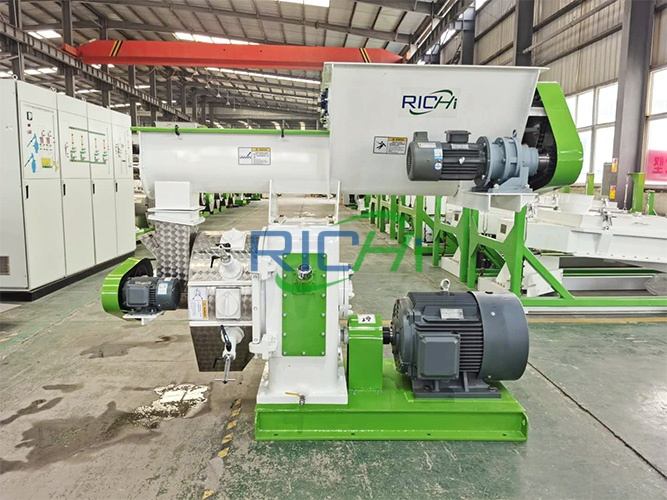
The organic fertilizer pellet mill is the key machine that converts prepared raw materials into finished pellets.
10.1 Working Principle
It applies mechanical pressure to compress organic materials into dense pellets.
10.2 Key Functions
- Shapes uniform pellets
- Improves density
- Enhances storage stability
10.3 Advantages
- High production efficiency
- Consistent product quality
- Easy operation and maintenance
Without this machine, organic fertilizer production would remain inefficient and less commercialized.
11. Factors Affecting Raw Material Selection
Several factors influence which raw materials are chosen:
11.1 Local Availability
Using locally available materials reduces cost.
11.2 Nutrient Composition
Balanced nutrient content improves fertilizer quality.
11.3 Moisture Content
Materials must be suitable for fermentation and pelletizing.
11.4 Cost Efficiency
Low-cost materials improve profit margins.
12. Environmental Benefits of Using Organic Waste
Using organic waste materials for fertilizer production provides major environmental benefits:
- Reduces landfill waste
- Prevents air pollution from burning crop residues
- Improves soil regeneration
- Promotes circular economy
The organic fertilizer industry plays a key role in sustainable development. (why not look here)
13. Challenges in Raw Material Utilization
13.1 Inconsistent Quality
Different sources may vary in composition.
13.2 High Moisture Content
Some materials require drying before processing.
13.3 Transportation Costs
Bulky materials increase logistics expenses.
Proper management and processing can solve these challenges.
14. Future Trends in Raw Material Usage
14.1 Waste Recycling Expansion
More industries will supply organic waste for fertilizer production.
14.2 Advanced Blending Technology
Improved mixing systems will enhance nutrient balance.
14.3 Integration with Smart Systems
AI-based systems will optimize raw material ratios automatically.
14.4 Improved Organic Fertilizer Pellet Mill Technology
Future machines will handle a wider range of raw materials more efficiently.
Conclusion
Organic fertilizer pellets are made from a wide variety of raw materials, including animal manure, agricultural residues, industrial organic waste, plant materials, minerals, and microbial additives. Each type of material contributes unique benefits to soil fertility and plant growth.
The transformation of these raw materials into high-quality fertilizer pellets depends heavily on proper processing and advanced machinery such as the organic fertilizer pellet mill, which ensures uniformity, efficiency, and commercial viability.
As global demand for sustainable agriculture continues to rise, the intelligent use of organic raw materials will play an increasingly important role in improving soil health, recycling waste, and supporting long-term agricultural productivity.