


Why Straw Pellets Are Becoming a Global Energy Commodity

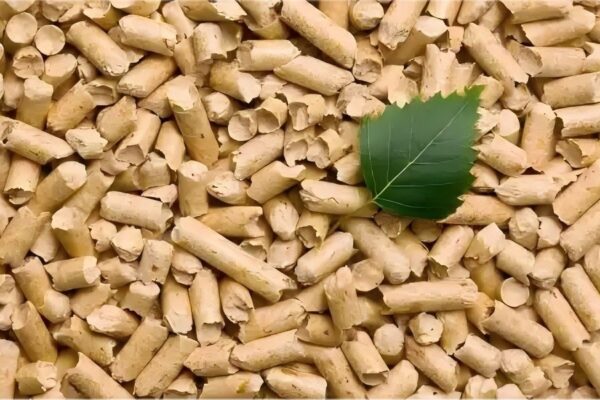
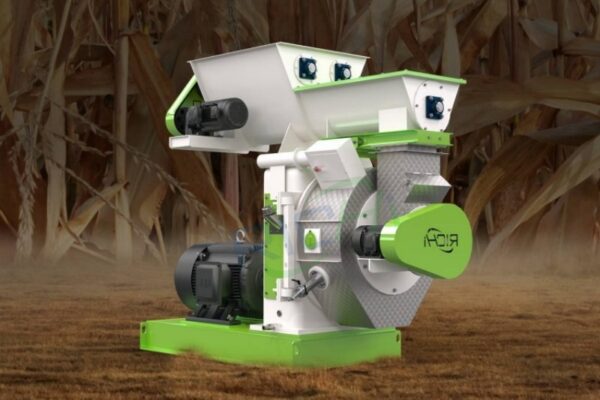
A decade ago, few people outside the biomass industry paid much attention to agricultural straw. Most crop residues were treated as low-value by-products, used locally or disposed of after harvest. Today, however, straw has become part of a much larger global conversation about renewable energy, carbon reduction, and sustainable industrial development. As countries work toward…

Read Full News
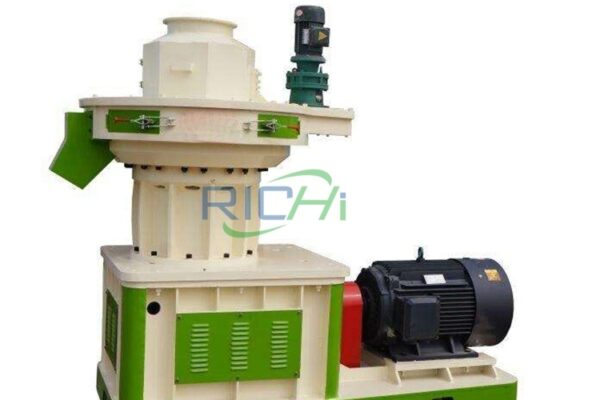
vertical wood pellet machine

Why Modern Biomass Projects Depend on Smarter Pelletizing Technology? In today’s renewable energy industry, biomass pellet production is no longer just an agricultural side activity. It has become a structured industrial sector driven by energy demand, sustainability policies, and global carbon reduction targets. What was once a simple waste management solution is now a full-scale…

Read Full News

Building Efficient Feed Production with Modern Pellet Technology

The global feed manufacturing industry continues to grow rapidly as livestock farms and commercial producers seek better ways to produce nutritious and cost-effective animal feed. Pellet feed has become the preferred choice for many farms because it improves digestibility, reduces waste, and supports healthier animal growth. To meet increasing market demand, many businesses are investing…

Read Full News
Moisture Control in Animal Feed Production Process

How to Improve Fish Feed Pellet Quality Effectively

In modern aquaculture, fish feed pellet quality plays a decisive role in determining farming success. High-quality pellets not only improve fish growth rates but also enhance feed conversion efficiency, reduce waste, and maintain water quality. As global fish farming becomes more industrialized, producers are under increasing pressure to deliver consistent, nutritious, and durable feed pellets…

Read Full News

How To Control Feed Quality During Long-distance Transportation?

Long-distance transportation is a critical but often underestimated risk stage in animal feed quality control. Even when feed leaves the factory with acceptable moisture content, pellet durability, temperature, and microbiological condition, quality can deteriorate during truck transport, rail movement, sea container shipping, port storage, distributor warehousing, or final farm delivery. The main technical risks include…

Read Full News

How To Prevent Mold Growth In Finished Feed Storage?

Mold contamination in finished animal feed storage is a persistent technical challenge that leads to mycotoxin accumulation, nutrient degradation, and significant economic losses. This paper systematically examines the biological thresholds and environmental parameters that govern fungal growth in stored compound feed, and presents evidence-based control strategies spanning post-pelleting moisture management, organic acid preservative selection and…

Read Full News

Shelf Life Control of Animal Feed Under High Humidity Conditions

High ambient humidity is one of the most critical factors limiting the shelf life of compound animal feed. When feed moisture content exceeds 13–14% or water activity (aw) surpasses 0.70, conditions become favorable for mold proliferation, mycotoxin synthesis, lipid oxidation, and bacterial contamination. This article reviews the physicochemical mechanisms by which humidity accelerates feed deterioration,…

Read Full News

How To Improve Pellet Durability Index In Animal Feed Production?

Pellet Durability Index, commonly referred to as PDI, is one of the most important physical quality indicators in animal feed pellet production. It measures the ability of pellets to resist breakage, abrasion, and fines generation during cooling, conveying, screening, bagging, bulk storage, truck loading, transportation, and farm feeding. In commercial feed mills, PDI is not…

Read Full News

Steam Conditioning Control In Animal Feed Pellet Production

Steam conditioning is a decisive control point in the animal feed pelleting process. It determines whether mash feed enters the pellet mill die in a physical state suitable for compression, bonding, starch gelatinisation, microbial reduction, and stable production. In commercial feed mills, many pellet quality failures—low pellet durability, excessive fines, unstable pellet mill current, die…

Read Full News