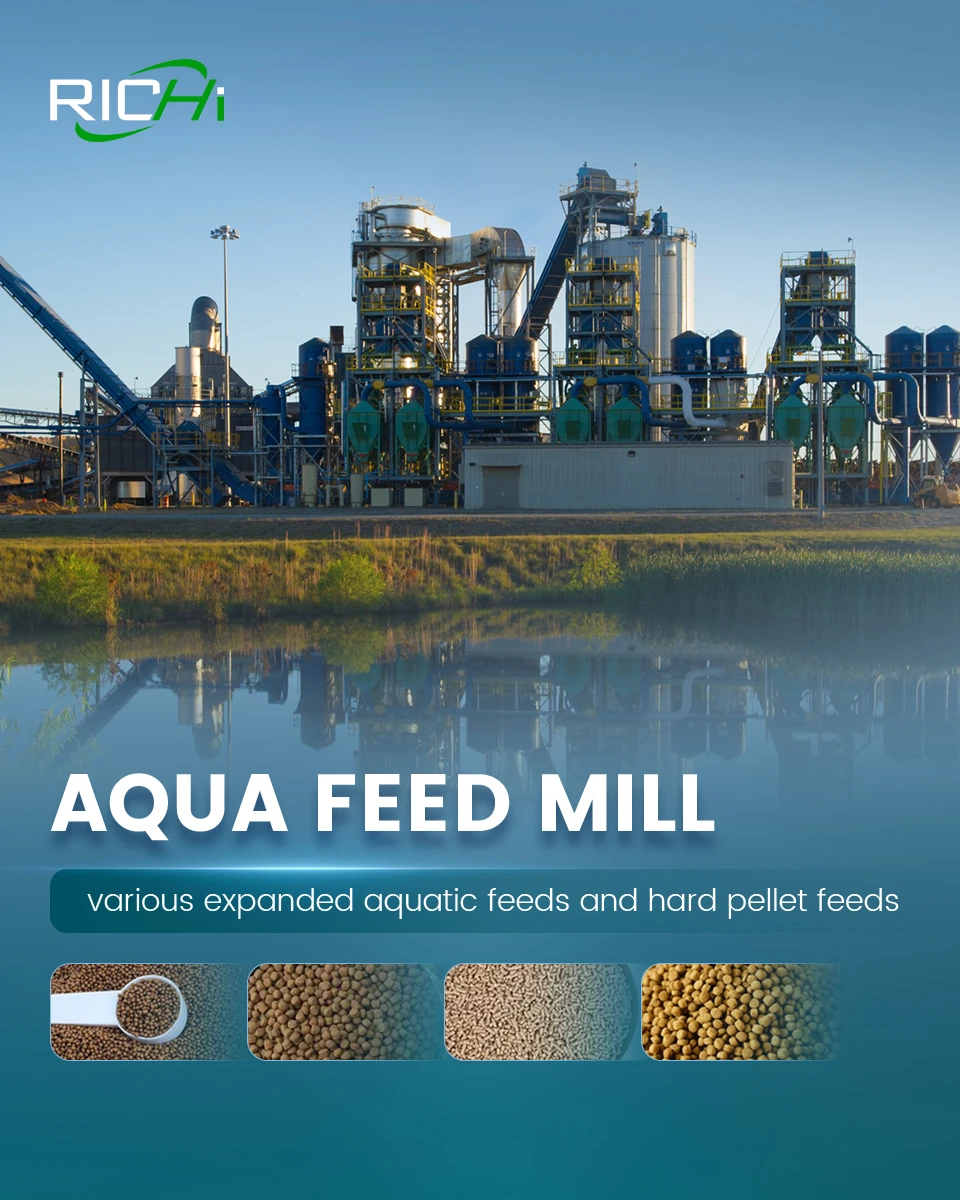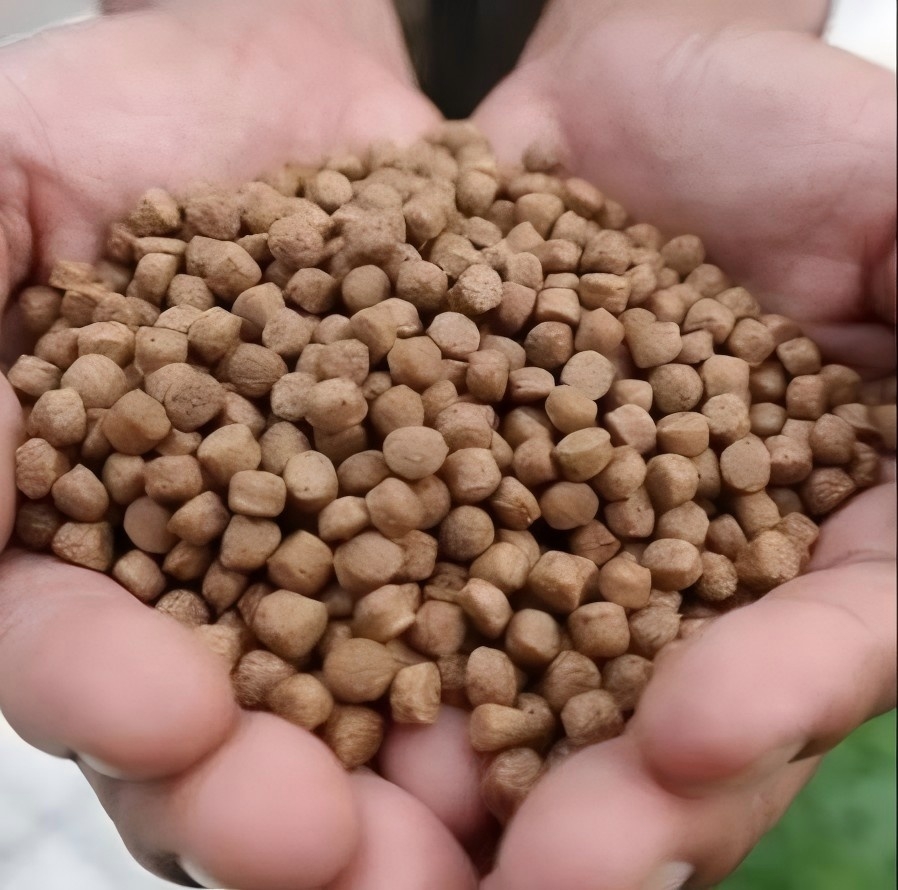



In modern aquaculture, fish feed pellet quality plays a decisive role in determining farming success. High-quality pellets not only improve fish growth rates but also enhance feed conversion efficiency, reduce waste, and maintain water quality. As global fish farming becomes more industrialized, producers are under increasing pressure to deliver consistent, nutritious, and durable feed pellets that meet the needs of different fish species.
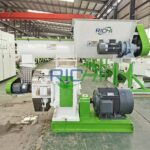
To achieve this, advanced production systems such as the fish feed production line and specialized equipment like the floating fish feed pellet machine have become essential. These technologies allow manufacturers to control every stage of production, from raw material processing to final pellet shaping and coating.
This article explores in detail how to effectively improve fish feed pellet quality, covering raw material selection, processing techniques, machinery optimization, production control, and advanced industry practices.
1. Understanding Fish Feed Pellet Quality
Fish feed pellet quality refers to the physical and nutritional characteristics of feed pellets that determine their performance in aquaculture systems.
Key quality indicators include:
- Pellet durability
- Water stability
- Nutritional balance
- Floating ability or sinking behavior
- Uniform size and shape
- Digestibility
High-quality pellets must remain stable in water long enough for fish to consume them without excessive nutrient loss.
2. Importance of Pellet Quality in Aquaculture
Poor pellet quality leads to:
- Feed waste
- Water pollution
- Increased farming costs
- Uneven fish growth
- Reduced survival rates
On the other hand, high-quality pellets improve:
- Feed efficiency
- Fish health
- Growth rate
- Profitability
This makes pellet quality one of the most important factors in aquaculture success.
3. Role of Fish Feed Production Line in Pellet Quality
The fish feed production line is a complete system that integrates all processing stages of fish feed manufacturing.
Main components include:
- Raw material grinding system
- Mixing system
- Conditioning system
- Pelletizing or extrusion system
- Drying system
- Cooling system
- Coating system
- Packaging system
3.1 Why Production Line Design Matters
A well-designed fish feed production line ensures:
- Consistent production flow
- Stable feed formulation
- Precise process control
- Reduced human error
Each stage directly impacts pellet quality.
4. Raw Material Selection and Its Impact on Pellet Quality
High-quality feed begins with high-quality raw materials.
Common ingredients include:
- Fish meal
- Soybean meal
- Corn
- Wheat flour
- Rice bran
- Fish oil
- Vitamin and mineral premixes
4.1 Key Factors in Raw Materials
To improve pellet quality:
- Use fresh and uncontaminated ingredients
- Maintain proper storage conditions
- Control moisture content
- Avoid expired materials
Poor raw materials cannot produce high-quality pellets regardless of machinery.
5. Grinding Process Optimization
Particle size plays a critical role in pellet formation.
Benefits of fine grinding:
- Improved mixing uniformity
- Better digestibility
- Stronger pellet structure
- Higher production efficiency
Hammer mills are commonly used in fish feed production lines to ensure consistent particle size.
6. Mixing Uniformity and Pellet Consistency
Mixing ensures that every pellet contains balanced nutrition.
Importance of proper mixing:
- Prevents nutrient imbalance
- Ensures consistent feed quality
- Improves fish growth performance
Poor mixing leads to inconsistent pellets and reduced aquaculture efficiency.
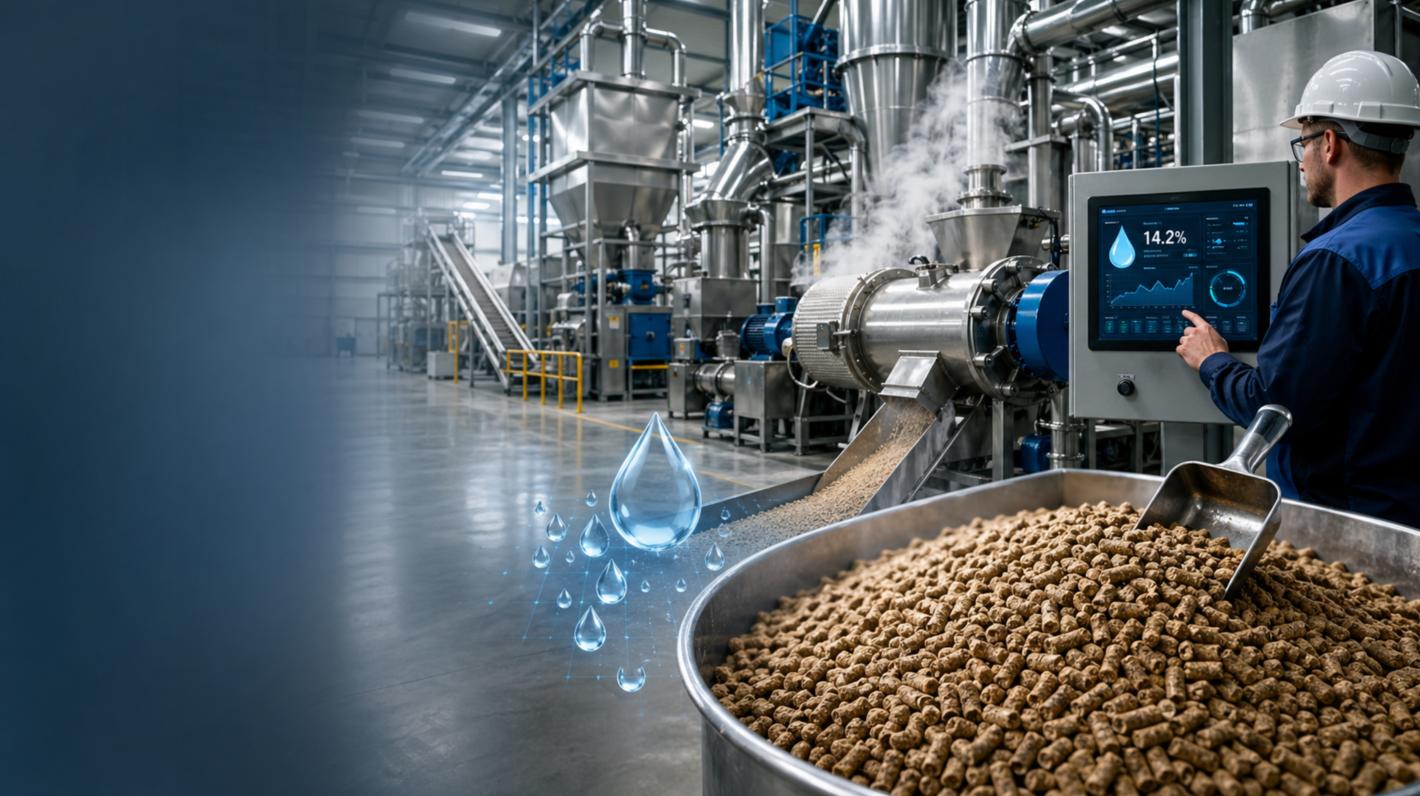
7. Conditioning Process and Pellet Quality Improvement
Conditioning is a crucial step before pelletizing.
It involves adding:
- Steam
- Moisture
- Heat
Benefits of conditioning:
- Improves starch gelatinization
- Enhances binding properties
- Increases pellet durability
- Improves digestibility
Proper conditioning significantly improves pellet formation quality.
8. Floating Fish Feed Pellet Machine and Its Role
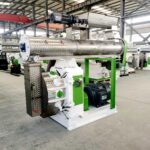
The floating fish feed pellet machine is one of the most important machines in modern aquaculture feed production.
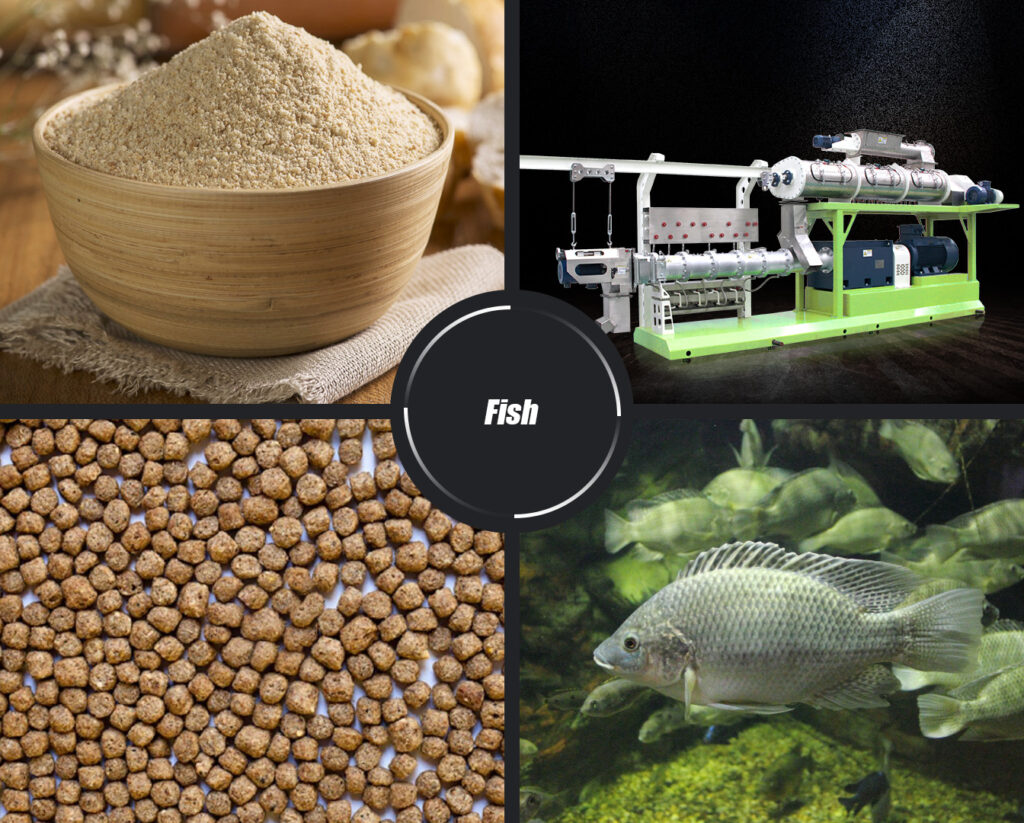
It is specifically designed to produce floating pellets used in surface-feeding fish species.
8.1 How It Works
- Conditioned feed enters the machine
- High pressure and temperature are applied
- Material expands and becomes porous
- Pellets are cut into uniform sizes
- Pellets float on water surface
8.2 Why It Improves Pellet Quality
The floating fish feed pellet machine improves quality by:
- Enhancing pellet buoyancy
- Improving water stability
- Increasing digestibility
- Reducing nutrient loss in water
8.3 Importance in Aquaculture
Floating pellets allow farmers to:
- Observe feeding behavior
- Control feeding quantity
- Reduce waste
- Improve water quality
This directly improves farming efficiency.
https://pelletisingmachine.com/fish-feed-pellet-making-machine
9. Drying Process and Pellet Stability
After pelletizing, drying is essential.
Benefits of proper drying:
- Reduces moisture content
- Prevents mold growth
- Improves storage life
- Enhances pellet hardness
Improper drying can cause pellet breakage and spoilage.
10. Cooling Process and Structural Strength
Cooling stabilizes pellets after drying.
Benefits include:
- Prevents condensation
- Maintains pellet shape
- Improves durability
- Extends shelf life
Cooling is a critical step in ensuring final product quality.
11. Oil Coating and Nutritional Enhancement
After cooling, pellets are coated with oils and nutrients.
Benefits:
- Increases energy content
- Improves taste and attractiveness
- Enhances fish growth performance
Oil coating improves both nutrition and feed efficiency.
12. Screening and Quality Control
Screening removes defective pellets.
It eliminates:
- Broken pellets
- Dust particles
- Irregular sizes
This ensures uniform product quality.
13. Automation in Fish Feed Production Line
Automation improves pellet quality by ensuring precision.
Advantages include:
- Accurate ingredient dosing
- Stable process control
- Reduced human error
- Consistent output quality
Automation is essential for large-scale production. (go to website)
14. Moisture Control and Its Importance
Moisture affects:
- Pellet hardness
- Shelf life
- Water stability
Proper moisture control ensures optimal pellet performance.
15. Improving Pellet Durability
Durable pellets reduce waste in water.
Methods include:
- Fine grinding
- Proper conditioning
- Efficient pelletizing
- Controlled drying
Strong pellets remain stable until consumed by fish.
16. Energy Efficiency in Production
Energy efficiency affects cost and quality.
Improvements include:
- High-efficiency motors
- Optimized machinery
- Reduced production loss
Efficient systems reduce operational expenses.
17. Common Problems Affecting Pellet Quality
Issues include:
- Poor raw material quality
- Improper grinding
- Uneven mixing
- Incorrect machine settings
- Overdrying or underdrying
Identifying problems helps improve production outcomes.
18. Maintenance of Fish Feed Equipment
Regular maintenance ensures stable pellet quality.
Maintenance tasks:
- Cleaning machines
- Replacing worn parts
- Lubrication
- Calibration
Well-maintained equipment produces consistent pellets.
19. Environmental Impact of High-Quality Feed
High-quality pellets reduce environmental damage by:
- Minimizing feed waste
- Reducing water pollution
- Improving nutrient absorption
This supports sustainable aquaculture development.
20. Economic Benefits of Improving Pellet Quality
Better pellet quality leads to:
- Lower feed consumption
- Faster fish growth
- Higher survival rates
- Increased profitability
Improving pellet quality directly improves farm income.
21. Future Trends in Pellet Quality Improvement
Future developments include:
- AI-controlled production lines
- Smart floating feed machines
- Precision nutrition systems
- Real-time quality monitoring
These innovations will further enhance pellet quality.
Conclusion
Improving fish feed pellet quality is essential for modern aquaculture success. High-quality pellets ensure better fish growth, reduce feed waste, improve water quality, and increase overall farm profitability.
Advanced systems such as the fish feed pellet production line and the floating fish feed pellet machine play a central role in achieving these improvements. By optimizing raw materials, processing techniques, and machine performance, producers can significantly enhance pellet quality and production efficiency.
As aquaculture continues to grow globally, investing in advanced production technology and quality control systems will remain essential for achieving sustainable and profitable fish farming operations.