

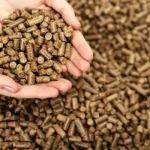
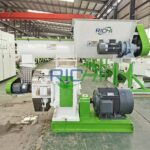


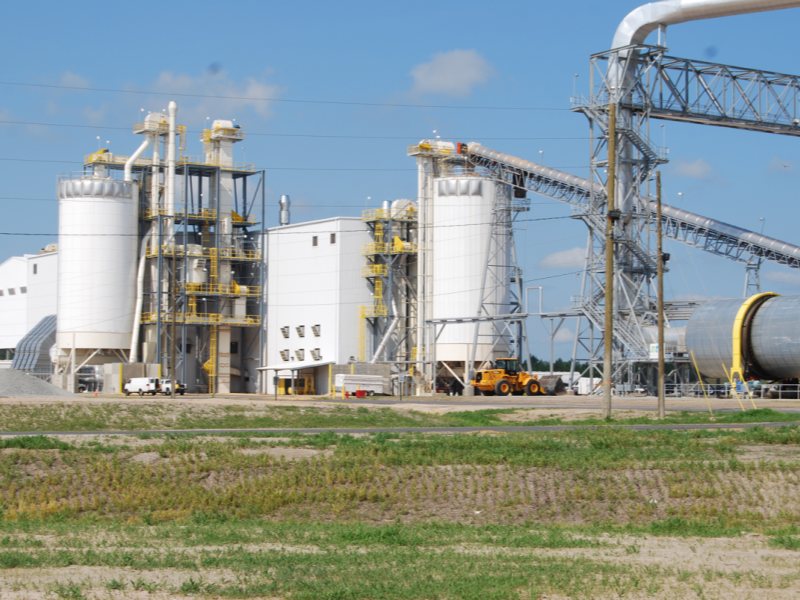
In the United States, a grass pellet plant in USA is primarily developed to serve the ruminant feed industry, including cattle, dairy cows, sheep, and goats. Grass pellets are valued for their stable fiber structure, easy storage, and consistent nutritional profile, making them an important supplement or base material in modern ruminant feeding systems.
Unlike loose hay or silage, grass pellets allow feed producers and large ranches to standardize feeding programs while reducing storage losses and transportation costs. This is why industrial grass pellet plants are increasingly adopted across major livestock regions such as Texas, Wisconsin, California, and the Midwest.
Common Grass Raw Materials Used in the U.S.
Grass pellet plants in the USA typically process alfalfa grass, timothy grass, ryegrass, orchard grass, bermuda grass, and mixed pasture grasses. These materials are harvested, sun-dried or pre-dried, and then pelletized to preserve fiber and protein content.
For ruminant animals, the key focus is digestible fiber rather than caloric density. Therefore, grass pellet plants must maintain moderate compression ratios and controlled processing temperatures to protect nutrients and avoid fiber damage. A properly designed industrial grass pellet production line solution ensures both nutritional integrity and production efficiency.
Industrial Grass Pellet Production Line for Feed Use
A standard grass feed pellet plant follows a precise processing sequence. Raw grass materials are first chopped and pre-crushed to improve uniformity. Moisture control is critical, as overly wet grass reduces pellet quality, while excessive drying increases dust and nutrient loss.
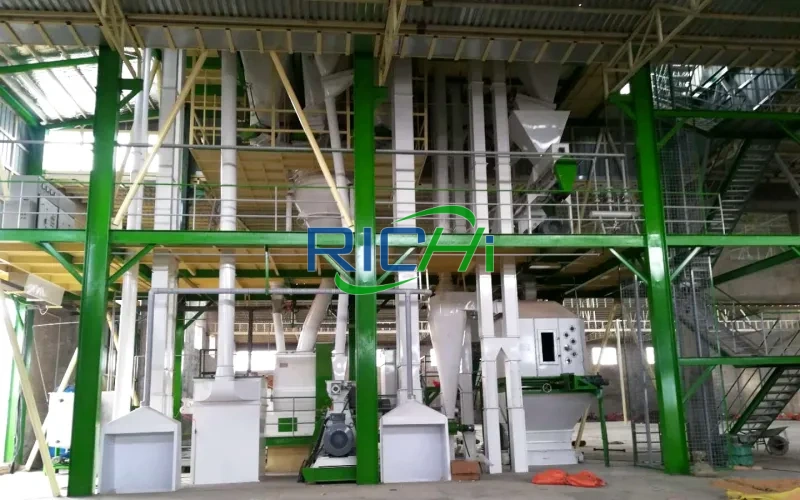
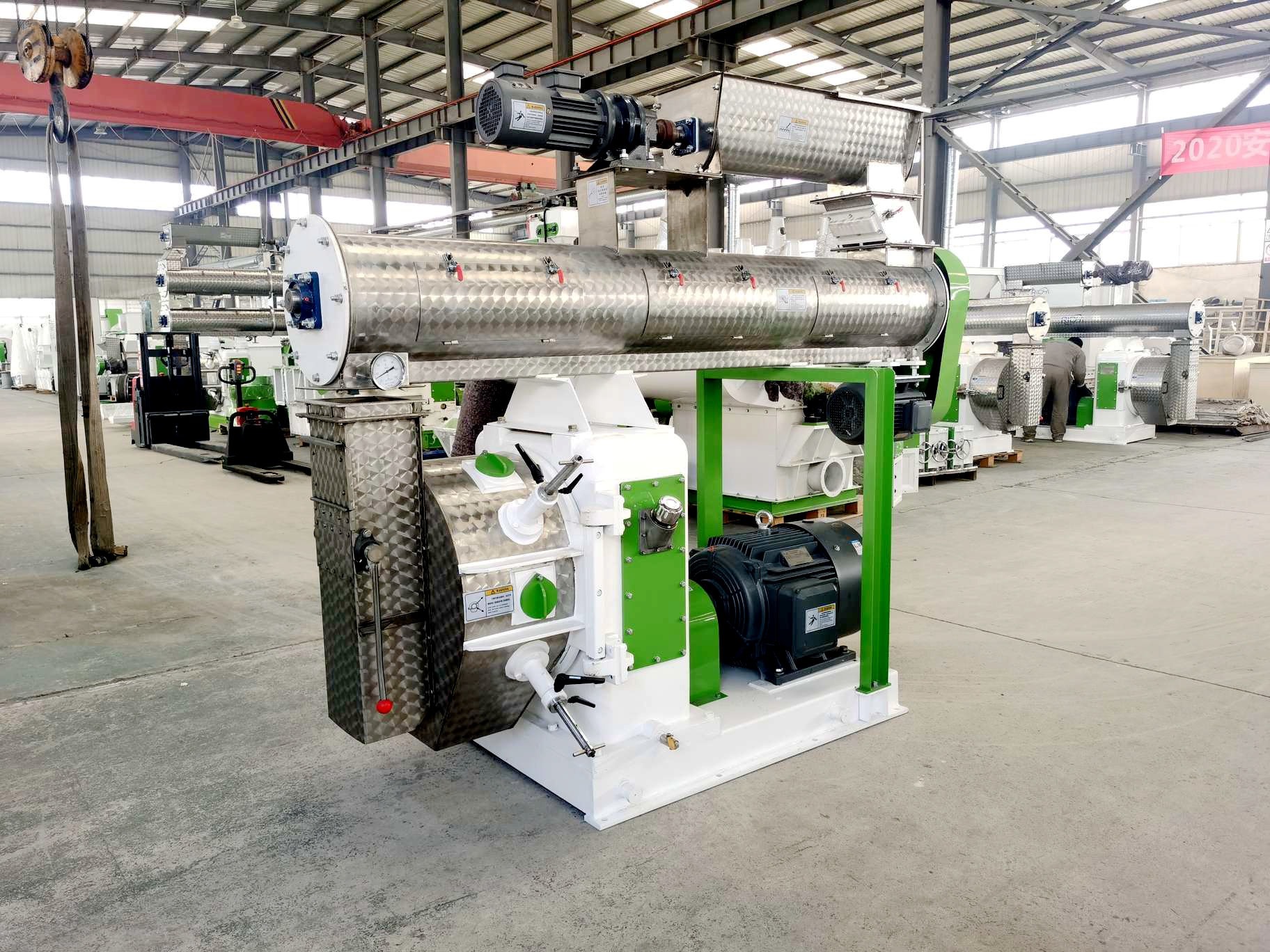
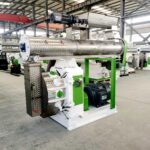
After grinding, the material enters the conditioning system, where steam or moisture is adjusted to optimize pellet formation. The pellet mill then compresses the feed into uniform pellets suitable for ruminant digestion. The complete pellet production line includes cooling, screening, and packaging units to ensure pellet hardness, durability, and clean appearance.
Application in Cattle and Dairy Feeding Systems
Grass pellets are widely used in U.S. cattle and dairy operations as a forage extender or partial hay replacement. They are especially useful during drought seasons or winter months when fresh forage availability is limited.
For dairy farms, grass pellets help stabilize milk production by providing consistent fiber intake. Beef cattle ranches use grass pellets in backgrounding and finishing stages to improve feed efficiency. Many producers appreciate the reduced feed waste compared to loose forage.
Feed Formulation Flexibility and Blending Options
One advantage of grass pellet plants is their compatibility with feed blending. Grass pellets can be produced as single-ingredient forage pellets or combined with additives such as molasses, minerals, or protein meals depending on nutritional targets.
As one nutrition consultant noted during a U.S. feed project review, her explanation emphasized that pellet consistency directly affects animal health and feed intake. This highlights why industrial grass pellet plants must align mechanical design with animal nutrition principles rather than focusing solely on output capacity.
Quality Control and Pellet Stability
Feed-grade grass pellets must meet strict standards for moisture, durability, and size uniformity. Excess fines, broken pellets, or overheating during production can negatively impact animal intake and digestion.
U.S. grass pellet plants typically integrate automated control systems to monitor moisture levels, pellet temperature, and throughput. These measures help ensure long-term production stability and consistent feed quality for commercial distribution.
Market Outlook for Grass Pellet Feed in USA
With increasing pressure on forage supply and rising labor costs, grass pellets offer a practical solution for ruminant feed producers and large-scale ranches. The grass pellet plant in USA is expected to continue expanding, especially in regions with intensive dairy and beef production.
By focusing on feed safety, nutritional value, and reliable processing, industrial grass pellet plants can support the evolving needs of the American ruminant feed industry.
(Related Post: https://biomasspelletizer.com/grass-pellet-plant-in-usa/)