


Introduction
The rapid growth of global aquaculture has significantly increased the demand for high-quality aquatic feed. Fish, shrimp, and other aquatic animals require nutritionally balanced feed to achieve healthy growth, improve feed conversion efficiency, and maintain stable farming performance. As aquaculture develops from small-scale farming to intensive commercial production, the importance of professional aquatic feed manufacturing technology continues to grow.
Producing high-quality aquatic feed is a complex process that requires advanced machinery and precise production management. Unlike ordinary livestock feed, aquatic feed must have special characteristics, such as excellent water stability, suitable floating or sinking performance, high digestibility, and balanced nutrition. Therefore, selecting the right equipment is essential for building an efficient and reliable aquatic feed production system.
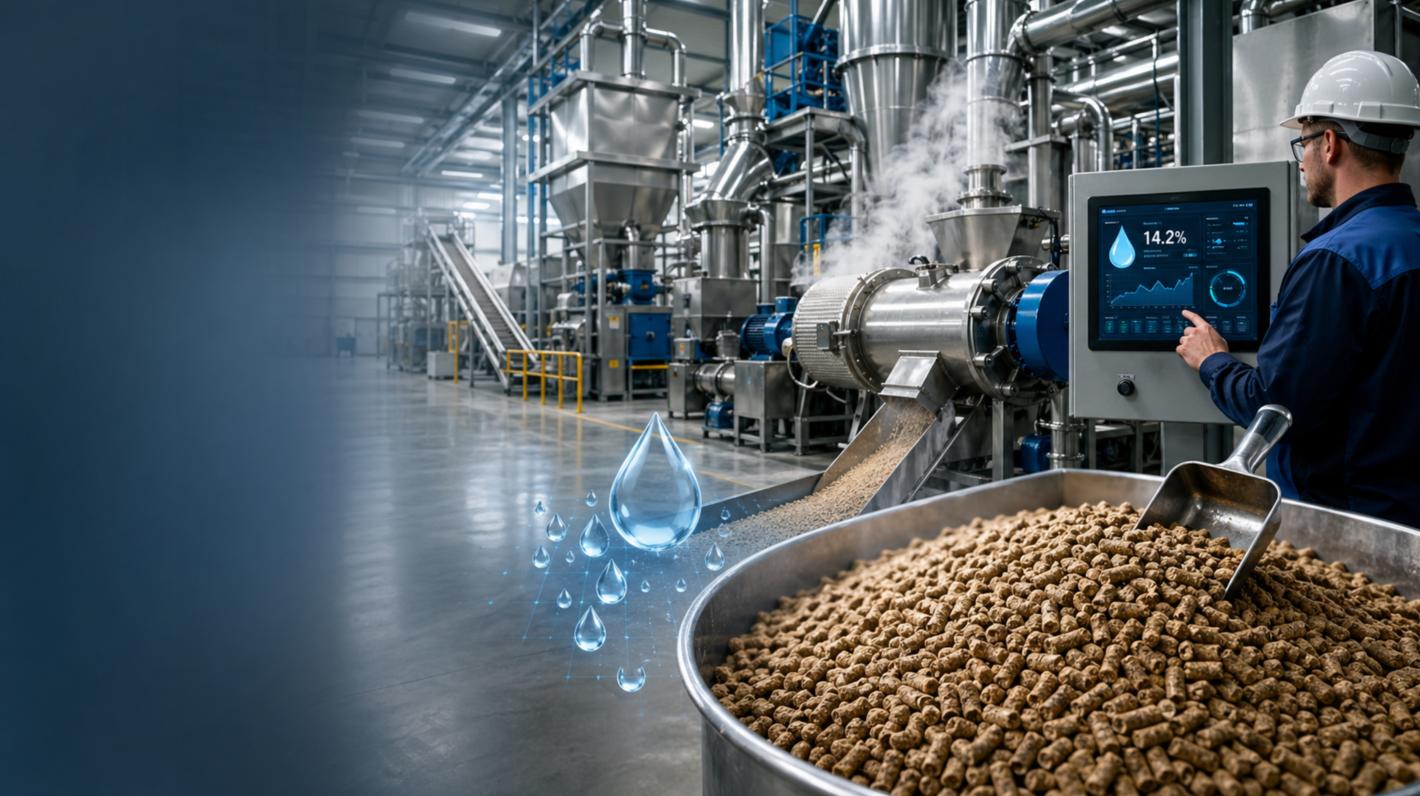
A modern aquafeed processing plant integrates multiple types of equipment, including raw material handling systems, grinding machines, mixers, extruders, dryers, coating systems, cooling equipment, screening machines, and packaging systems. Each machine plays a specific role in ensuring consistent feed quality and efficient production.
This article explains the essential equipment needed for aquatic feed production and how each machine contributes to producing high-quality floating fish feed, sinking fish feed, shrimp feed, and other aquatic feed products.
1. Raw Material Receiving and Storage Equipment
The first stage of aquatic feed production is the preparation and storage of raw materials. Proper handling of ingredients is important because feed quality depends heavily on the condition of the raw materials used.
Common aquatic feed ingredients include:
- Fish meal
- Soybean meal
- Corn
- Wheat flour
- Rice bran
- Fish oil
- Vegetable protein sources
- Vitamins and minerals
Raw material receiving and storage equipment usually includes:
Receiving System
The receiving system is designed to efficiently unload raw materials from trucks or containers. It may include:
- Receiving pits
- Conveyors
- Bucket elevators
- Screw conveyors
These systems reduce manual handling and improve production efficiency.
Storage Silos and Warehouses
Proper storage prevents:
- Moisture absorption
- Mold growth
- Ingredient contamination
- Nutrient degradation
Large-scale feed factories often use automated silo systems for better inventory management.
A well-designed aquafeed processing plant uses efficient storage solutions to maintain ingredient quality before production begins.
2. Raw Material Cleaning Equipment
Raw materials may contain impurities such as stones, metal particles, dust, and other foreign materials. These contaminants can damage processing equipment and reduce feed quality.
Cleaning equipment is therefore an important part of aquatic feed production.
Common cleaning machines include:
Vibrating Screens
They remove large impurities from raw materials through mechanical screening.
Magnetic Separators
They remove metal particles to protect equipment such as grinders and extruders.
Destoners
They separate heavy materials such as stones from grain-based ingredients.
Benefits of raw material cleaning include:
- Improved feed safety
- Longer equipment service life
- Better production stability
3. Grinding Equipment
Grinding is one of the most important processes in aquatic feed production. It reduces raw materials into smaller particles, improving nutrient availability and supporting better pellet formation.
The main grinding machine used is the hammer mill.
Hammer Mill
A hammer mill uses high-speed rotating hammers to crush raw materials into suitable particle sizes.
Advantages include:
- High grinding efficiency
- Adjustable particle size
- Reliable operation
Proper grinding improves:
- Mixing uniformity
- Extrusion performance
- Digestibility
For different aquatic species and feed types, manufacturers may adjust grinding fineness according to formula requirements.
4. Feed Mixing Equipment
After grinding, all ingredients must be mixed evenly according to the feed formula.
Mixing equipment ensures that every pellet contains balanced nutrients.
The main mixing machine is:
Horizontal Mixer
A horizontal mixer uses rotating paddles or ribbons to blend ingredients uniformly.
It can mix:
- Protein sources
- Energy ingredients
- Minerals
- Vitamins
- Additives
High-quality mixing provides:
- Consistent nutrition
- Stable feed performance
- Better product quality
In a commercial aquafeed processing plant, automatic weighing and mixing systems are often integrated to improve production accuracy.
5. Conditioning Equipment
Before extrusion, aquatic feed materials usually require conditioning.
Conditioning involves adding:
- Steam
- Water
- Heat
This process prepares the mixture for extrusion.
The functions of conditioning include:
- Improving starch gelatinization
- Increasing pellet strength
- Enhancing nutrient digestibility
- Improving extrusion stability
Multi-layer conditioners are commonly used in advanced aquatic feed production systems because they provide longer conditioning time and better processing effects.
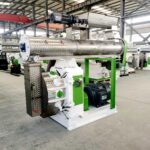
6. Aquatic Feed Extruder
The extruder is the core equipment in modern aquatic feed production.
(Related machine: efficient wet type fish feed extruder)
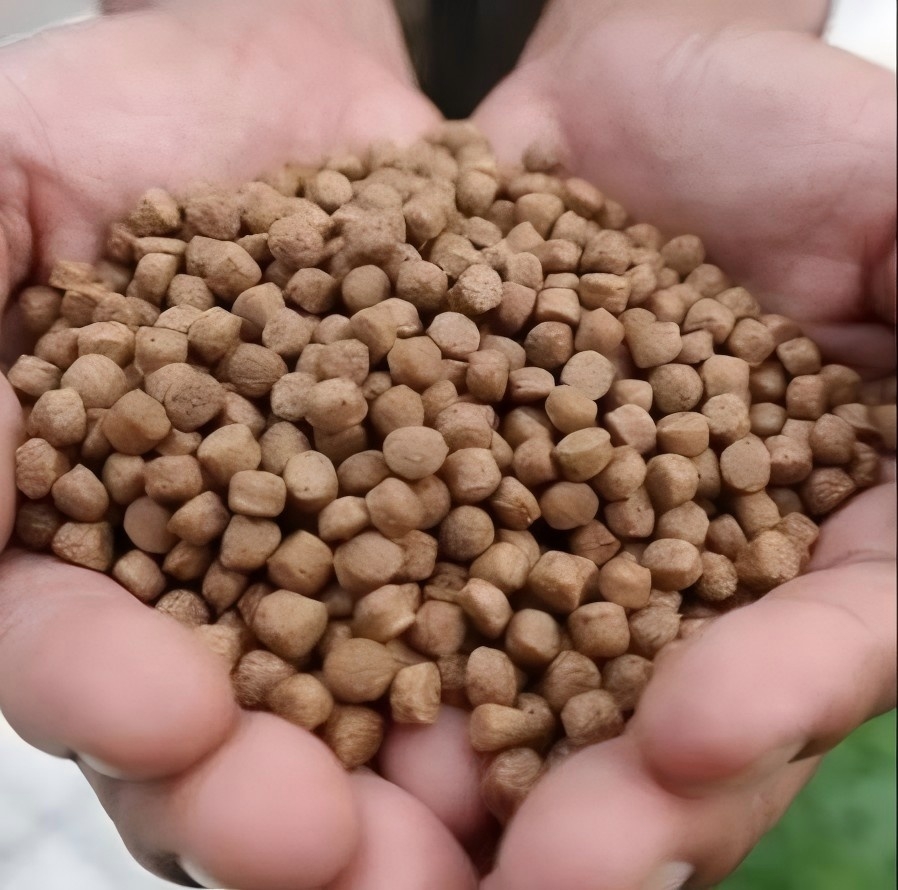
Unlike traditional pellet mills, extruders can produce feed with special characteristics required by aquatic animals.
An aquatic feed extruder uses:
- High temperature
- Pressure
- Mechanical shear force
to transform mixed ingredients into uniform pellets.
The main advantages include:
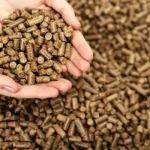
Producing Floating Feed
By controlling expansion and density, extruders can produce floating pellets that remain on the water surface.
Producing Sinking Feed
Adjusting processing conditions allows manufacturers to create dense pellets that sink quickly.
Improving Digestibility
Extrusion gelatinizes starch and improves nutrient absorption.
Enhancing Water Stability
Extruded pellets maintain their structure in water and reduce nutrient loss.
The performance of the extruder directly affects final feed quality.
7. Pellet Cutting Equipment
After extrusion, feed materials come out as continuous strands and need to be cut into suitable pellet sizes.
A cutting system controls:
- Pellet length
- Pellet shape
- Production consistency
Adjustable cutters allow manufacturers to produce different pellet sizes according to:
- Fish species
- Growth stage
- Feeding requirements
For example:
- Small pellets for juvenile fish
- Larger pellets for adult fish
8. Drying Equipment
Freshly extruded aquatic feed contains high moisture and requires drying before storage.
Drying equipment removes excess moisture while preserving nutritional quality.
Common dryers include:
Multi-Layer Belt Dryer
It uses controlled hot air circulation to gradually reduce moisture.
Advantages:
- Uniform drying
- High efficiency
- Continuous operation
Proper drying improves:
- Storage stability
- Feed shelf life
- Product safety
Incorrect drying conditions may cause nutrient loss or reduce pellet quality.
9. Oil Coating Equipment
Oil coating equipment is used to add oils and functional nutrients after drying.
This process improves:
- Energy content
- Feed attractiveness
- Nutritional value
Common coating materials include:
- Fish oil
- Vegetable oil
- Vitamins
- Functional additives
External coating after drying helps preserve nutrients that may be affected by high extrusion temperatures.
Automatic coating systems ensure even distribution and consistent feed performance.
10. Cooling Equipment
After drying and coating, aquatic feed pellets must be cooled before packaging.
Cooling equipment removes remaining heat and stabilizes pellet quality.
A counter-flow cooler is commonly used.
Its advantages include:
- Efficient cooling
- Reduced moisture condensation
- Improved storage performance
Cooling is especially important because warm feed can develop moisture problems during storage.
11. Screening Equipment
Screening equipment separates qualified pellets from broken particles and powder.
The main functions include:
- Removing fines
- Improving product appearance
- Ensuring consistent pellet size
High-quality finished feed should have:
- Uniform pellet size
- Low powder content
- Good durability
Screening improves customer satisfaction and reduces product waste.
12. Packaging Equipment
The final stage of aquatic feed production is packaging.
Packaging equipment automatically completes:
- Weighing
- Filling
- Sealing
- Labeling
Good packaging protects feed from:
- Moisture
- Contamination
- Transportation damage
Common packaging sizes include:
- Small bags for retail sales
- Large bags for commercial farms
Automatic packaging systems improve efficiency and reduce labor requirements.
13. Automation and Control Systems
Modern aquatic feed production relies increasingly on automation technology.
A complete aquafeed pellet plant often includes PLC control systems to manage the entire production process.
Automation systems can control:
- Raw material feeding
- Grinding operation
- Mixing ratios
- Extrusion parameters
- Drying temperature
- Packaging process
Benefits include:
Higher Accuracy
Automatic systems reduce human errors.
Better Production Efficiency
Continuous monitoring improves equipment performance.
Stable Feed Quality
Controlled production conditions ensure consistent results.
Easier Management
Operators can monitor the entire production line from a central control panel.
14. Laboratory and Quality Testing Equipment
Quality control equipment is essential for producing reliable aquatic feed.
A feed laboratory may include:
- Moisture analyzers
- Protein testing equipment
- Fat analyzers
- Pellet durability testers
Quality testing helps manufacturers evaluate:
- Nutritional composition
- Physical quality
- Water stability
- Storage performance
Regular testing ensures that finished feed meets customer requirements.
15. How to Choose Equipment for an Aquatic Feed Production Plant
Selecting the right equipment depends on several factors.
Production Capacity
The equipment configuration should match expected output.
Small plants may require compact production systems, while large commercial factories need high-capacity automated lines.
Feed Type
Different products require different technologies.
For example:
- Floating fish feed requires extrusion and expansion control.
- Sinking feed requires density adjustment.
- Shrimp feed requires excellent water stability.
Raw Materials
Equipment selection should consider the ingredients being processed.
Some formulas require stronger grinding or specialized extrusion systems.
Automation Level
Investors should choose automation according to:
- Labor availability
- Production goals
- Budget
Professional engineering support can help design suitable production solutions.
16. Future Development of Aquatic Feed Production Equipment
The aquatic feed industry is moving toward smarter and more sustainable manufacturing.
Future equipment trends include:
Intelligent Automation
Artificial intelligence and digital monitoring will improve production control.
Energy Efficiency
New equipment designs will reduce power consumption.
Flexible Production
Modern lines will support multiple feed formulas and product types.
Sustainable Processing
Manufacturers will focus on reducing waste and improving resource utilization.
These developments will help feed producers achieve higher efficiency and stronger competitiveness.
Conclusion
Aquatic feed production requires a complete set of specialized equipment to transform raw materials into nutritious, stable, and high-quality feed products. From raw material cleaning and grinding to extrusion, drying, coating, cooling, and packaging, every machine plays an important role in ensuring production efficiency and feed performance.
A modern aquafeed processing plant combines advanced machinery, automation systems, and quality control technology to produce floating fish feed, sinking fish feed, shrimp feed, and other aquatic feed products. By selecting suitable equipment and optimizing the production process, manufacturers can improve feed quality, reduce operating costs, and meet the growing demand of the global aquaculture market.
As aquaculture continues to expand worldwide, investing in efficient aquatic feed production equipment will remain a valuable opportunity for businesses seeking sustainable growth and long-term competitiveness.