


The agricultural industry is experiencing significant changes as farmers and businesses search for more efficient ways to improve productivity and control operating expenses. Among all factors affecting livestock farming, feed management remains one of the most important areas for improvement.
High-quality feed supports animal growth, improves production efficiency, and directly influences farm profitability. However, relying entirely on purchased feed can create challenges, especially when prices fluctuate or supply conditions change.
For this reason, many agricultural enterprises are considering building their own feed manufacturing facilities. A well-designed animal feed production line allows businesses to process available agricultural resources into valuable feed products while improving control over quality, cost, and supply stability.
A modern feed factory is not only a production facility. It is a strategic investment that helps agricultural companies build stronger business models and achieve long-term growth.
Why Feed Factory Investment Is Becoming More Popular
In the past, many farmers considered feed production a specialized activity handled only by large commercial companies. Today, advances in technology and equipment have made professional feed manufacturing more accessible.
Several factors are driving this trend.
Increasing Feed Costs
Feed is one of the largest expenses in livestock farming. Changes in grain prices, transportation costs, and market supply can significantly influence production budgets.
By producing feed independently, businesses can better manage costs and reduce dependence on external suppliers.
Growing Demand for Quality Feed
Modern livestock production requires consistent nutrition. Animals need balanced formulas that support healthy growth and efficient production.
A professional feed factory provides better control over ingredients and processing conditions.
Expansion of Commercial Farming
As farms become larger, daily feed requirements increase. Purchasing all feed externally may become inefficient for large operations.
Establishing an internal production system allows businesses to match feed supply with actual demand.
Choosing the Appropriate Feed Production Capacity
Capacity selection is a key decision when planning a feed factory project.
Many investors focus only on current demand but overlook future development. A suitable factory should provide enough production capacity while maintaining efficient operation.
Important factors include:
- Current animal population
- Future expansion plans
- Market demand
- Available investment budget
- Raw material supply
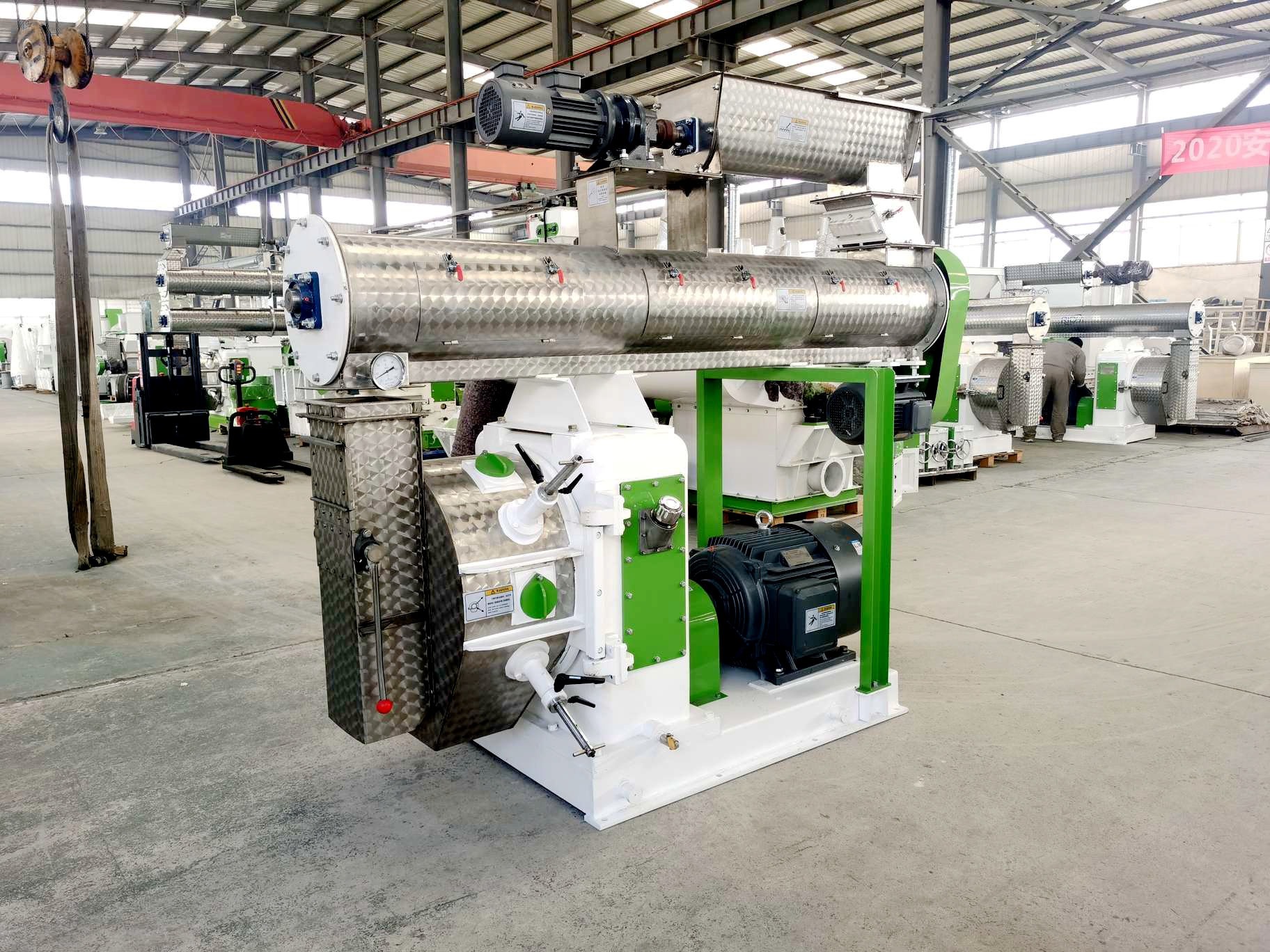
For medium-sized poultry businesses, a 5-6 T/H chicken feed manufacturing plant for sale can provide a practical solution.
This production scale can support commercial poultry farms and regional feed businesses that require stable output without excessive investment.
A carefully planned capacity helps businesses achieve better equipment utilization and faster return on investment.
Creating Value Through Agricultural Resources
One of the biggest advantages of modern feed manufacturing is the ability to transform local agricultural materials into valuable products.
Many regions have abundant resources that can be used in animal feed production, including:
- Corn
- Wheat
- Rice bran
- Soybean products
- Grain processing residues
- Agricultural by-products
Without proper processing technology, many of these resources may have limited economic value.
A professional feed factory improves resource utilization by converting these materials into nutritious feed products.
This creates benefits throughout the agricultural supply chain:
- Farmers gain additional value from crops
- Livestock producers reduce feed costs
- Local industries develop new business opportunities
The Importance of Efficient Production Technology
Modern feed manufacturing requires more than basic equipment. The entire production process must work together efficiently.
(Related Post: https://www.richipelletmill.com/animal-feed-mill-equipment-for-sale/)
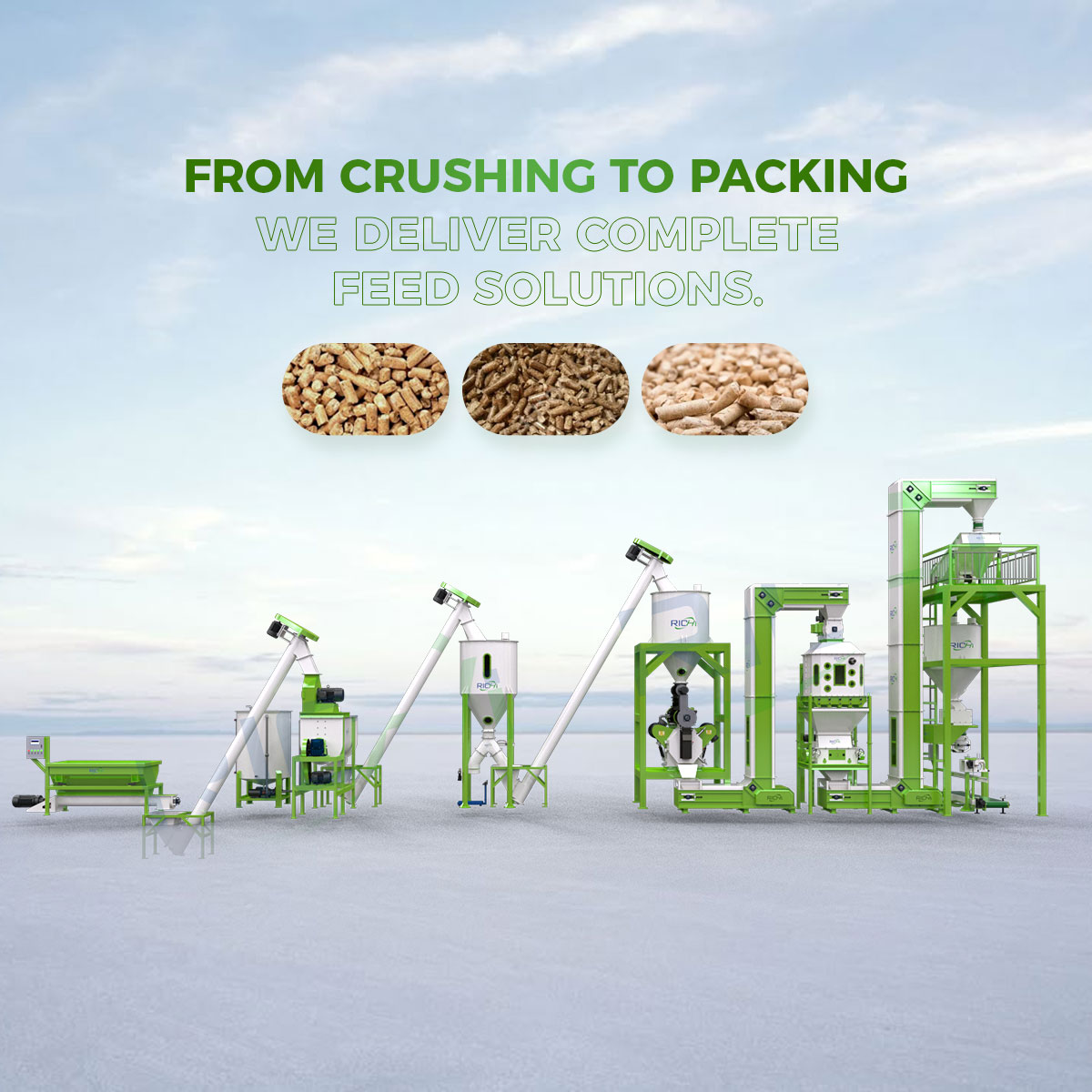
A complete feed processing system usually includes:
Raw Material Handling
Proper storage and transportation systems protect materials and improve production efficiency.
Crushing
Grinding equipment prepares ingredients for better mixing and pellet formation.
Mixing
Accurate mixing ensures nutritional consistency throughout production.
Pelletizing
Pellet production improves feed handling, storage, and animal acceptance.
Cooling and Packaging
Final processing ensures product quality and improves transportation convenience.
Each stage affects the performance of the final feed product.
How Professional Equipment Improves Factory Performance
Equipment quality has a direct influence on production efficiency and operating costs.
Reliable equipment provides several advantages:
Higher Production Stability
Continuous operation requires machines that can perform consistently under demanding conditions.
Lower Maintenance Costs
Durable equipment reduces unexpected downtime and repair expenses.
Better Product Quality
Stable processing conditions help maintain consistent pellet quality.
Improved Energy Efficiency
Modern equipment is designed to reduce unnecessary energy consumption.
Experienced suppliers provide complete solutions instead of individual machines. For example, Richi Pellet Mill develops customized equipment configurations according to production requirements, raw materials, and customer goals.
Automation and Digital Management in Feed Factories
The development of automation technology has greatly improved modern feed manufacturing. As production scales increase, businesses need more efficient methods to control processes, reduce errors, and improve management.
Traditional manual operation can create challenges such as inconsistent ingredient ratios, higher labor requirements, and difficulties in production monitoring.
Automated systems solve these problems by providing accurate control over different production stages.
Important automation features include:
Automatic Batching Systems
Accurate ingredient measurement ensures that every feed formula meets nutritional requirements. Automated batching reduces human errors and improves production consistency.
Centralized Operation Control
Modern control systems allow operators to manage multiple machines from one platform. This improves efficiency and simplifies daily operation.
Real-Time Production Monitoring
Digital monitoring helps managers understand production performance, identify problems quickly, and optimize factory operation.
For large agricultural enterprises, automation creates significant advantages by improving productivity while reducing unnecessary operating costs.
Reducing Business Risks Through Independent Feed Production
Every agricultural business faces uncertainty. Changes in feed prices, supply interruptions, and market competition can affect profitability.
Producing feed independently helps reduce these risks.
Stable Feed Supply
Businesses can maintain continuous production without depending completely on external suppliers.
Flexible Formula Adjustment
Different animals require different nutritional solutions. Internal production allows businesses to adjust formulas according to specific requirements.
Better Cost Control
Companies can optimize raw material purchasing and production strategies based on market conditions.
These advantages make feed manufacturing an important tool for improving business stability.
Challenges That Investors Should Consider
Although building a feed factory provides many benefits, investors should carefully evaluate potential challenges before starting a project.
Project Planning
A successful factory requires detailed planning, including equipment selection, production layout, and workflow design.
Poor planning may lead to inefficient operation and unnecessary expenses.
Technical Experience
Feed production involves multiple technologies. Understanding raw material characteristics, processing methods, and equipment requirements is essential.
Market Analysis
Before investing, businesses should evaluate local demand and competition to determine the most suitable production strategy.
Long-Term Management
A factory requires effective operation management, regular maintenance, and continuous improvement.
Careful preparation helps businesses maximize the value of their investment.
The Role of Professional Support in Feed Factory Projects
Many investors underestimate the importance of technical support. Equipment selection is only one part of building a successful feed factory.
Professional suppliers can assist with:
- Production process design
- Equipment configuration
- Factory layout planning
- Installation guidance
- Operator training
- Technical service
A complete project solution considers both current production requirements and future development goals.
Businesses looking for more knowledge about modern feed manufacturing methods can discover this info here to understand equipment selection, production planning, and industry trends.
Sustainable Development and Future Opportunities
Sustainability is becoming an important direction in agriculture. Feed factories can support sustainable development by improving resource utilization and reducing waste.
Modern production technology allows businesses to use more agricultural by-products efficiently.
Benefits include:
- Reduced resource waste
- Better utilization of local materials
- Lower transportation requirements
- More environmentally friendly production
As agricultural industries become more connected, feed manufacturing will play an increasingly important role in creating efficient production systems.
Future Trends in Feed Manufacturing
The future of feed production will continue to focus on efficiency, intelligence, and flexibility.
Several trends are expected to influence the industry.
Smart Factory Development
Digital technology will enable more accurate production control and better management decisions.
Customized Feed Products
More businesses will produce specialized feed according to different animal species and market requirements.
Improved Energy Efficiency
Manufacturers will continue developing equipment that consumes less energy while maintaining high output.
Integrated Agricultural Systems
Feed production will become increasingly connected with crop production, livestock farming, and agricultural supply chains.
These trends will create new opportunities for companies that adopt modern production strategies.
Conclusion
Investing in a modern feed factory is an effective way for agricultural businesses to improve efficiency, reduce risks, and create long-term value.
A professional feed production system provides greater control over raw materials, production costs, and product quality. Whether serving internal farms or external customers, a well-designed factory creates a stronger foundation for business development.
Choosing suitable production capacity, reliable equipment, and professional technical support is essential for project success.
As global demand for animal products continues to increase, efficient feed manufacturing will remain a key factor in the future development of modern agriculture. Businesses that invest in advanced production technology today will be better positioned to achieve sustainable growth in the coming years.