





Using Wood Processing Residues as a Manufacturing Resource
Sawdust from woodworking and timber processing can provide a useful raw material for wood-based cat litter when its properties and source are suitable. However, sawdust is not a uniform material. Particle size, moisture, wood species, contamination, and storage conditions can differ substantially between suppliers. These variations influence how the material should be prepared and processed.
A cat litter pellet machine must be selected according to the intended recipe and the condition of the incoming sawdust. Material that already has a suitable particle size may require less preparation than coarse wood residues. Conversely, irregular material may need screening, shredding, or additional grinding before it can be formed into consistent pellets.
The first step is to establish clear raw material requirements. Suppliers should understand the acceptable moisture range, particle size, and contamination limits. A consistent incoming material specification makes it easier to maintain predictable production and identify the cause of quality changes.
Preparing Sawdust Before Pelleting
Particle Size and Contamination Control
Sawdust can contain a mixture of fine particles, fibers, small wood fragments, and foreign matter. Screening helps remove unsuitable fractions, while grinding can reduce particles that are too large for the intended process.
Excessively coarse material may cause irregular pellet surfaces or inconsistent forming behavior. At the other extreme, unnecessary fine grinding consumes energy and can increase airborne dust. The target particle size should therefore be established through trials that consider both machine performance and the desired product.
Contamination control is equally important. Wood residues from painted, treated, glued, or otherwise unsuitable materials should not automatically be accepted as cat litter feedstock. The factory needs a clear sourcing policy and appropriate inspection procedures to protect product quality and intended use.
Moisture Management and Storage
Moisture affects how sawdust flows, mixes, and forms pellets. Material that is too wet may create processing difficulties, while excessively dry material may behave differently during forming. The appropriate moisture condition depends on the wood source, formulation, and machine configuration.
Storage practices help maintain consistency. Covered storage and controlled material handling can reduce unwanted moisture changes. The production team should also monitor the moisture of incoming deliveries instead of assuming that material from the same supplier always arrives in the same condition.
If drying is necessary, the equipment should be selected according to the required throughput and the characteristics of the sawdust. The dryer must be able to process the quantity supplied by upstream equipment without becoming a bottleneck.
Designing a Sawdust Cat Litter Process
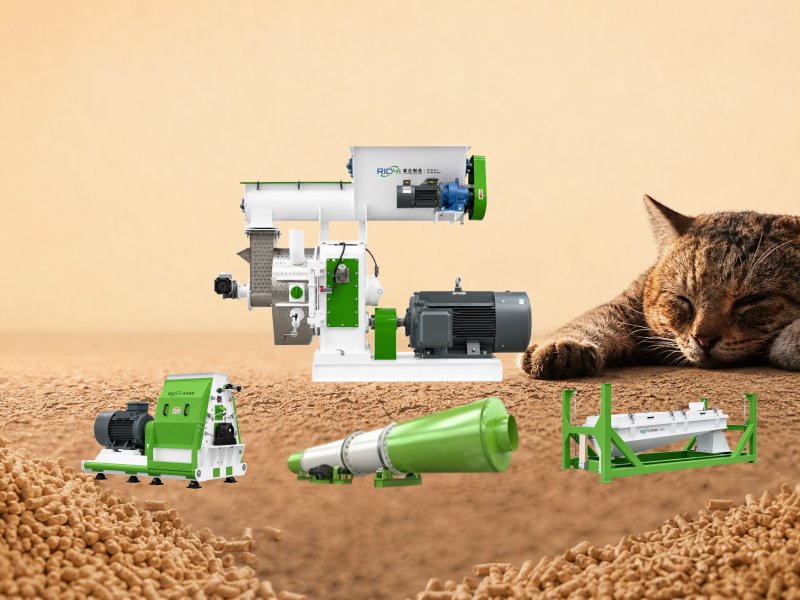
A sawdust cat litter production line may include raw material storage, screening, grinding, moisture adjustment, mixing, pelleting, cooling, screening, and packaging. The exact configuration depends on the material’s initial condition and whether the manufacturer intends to produce pure wood litter or a blended formulation.
Where coarse residues are used, a shredder may be needed before finer size reduction. A mixer may be required when the recipe includes additional ingredients. Conveyors and elevators then connect the processing stages and reduce unnecessary manual transfers.
The equipment layout should account for maintenance access, dust control, and safe handling. Wood dust can create occupational and fire risks under certain conditions, so ventilation, housekeeping, dust collection, and fire-safety measures should be evaluated by qualified professionals in accordance with applicable regulations.
Producing Pellets with Suitable Physical Properties
Forming and Cutting
During pelleting, prepared material passes through a die and is compressed by rollers. Die dimensions, roller condition, feed rate, and formulation influence the shape and density of the finished pellets.
The cutter determines pellet length, but consistent cutting depends on stable forming conditions. If material flow fluctuates or the mixture changes, the resulting product may vary even when cutter settings remain unchanged. Operators should therefore evaluate pellet appearance together with feed conditions and machine load.
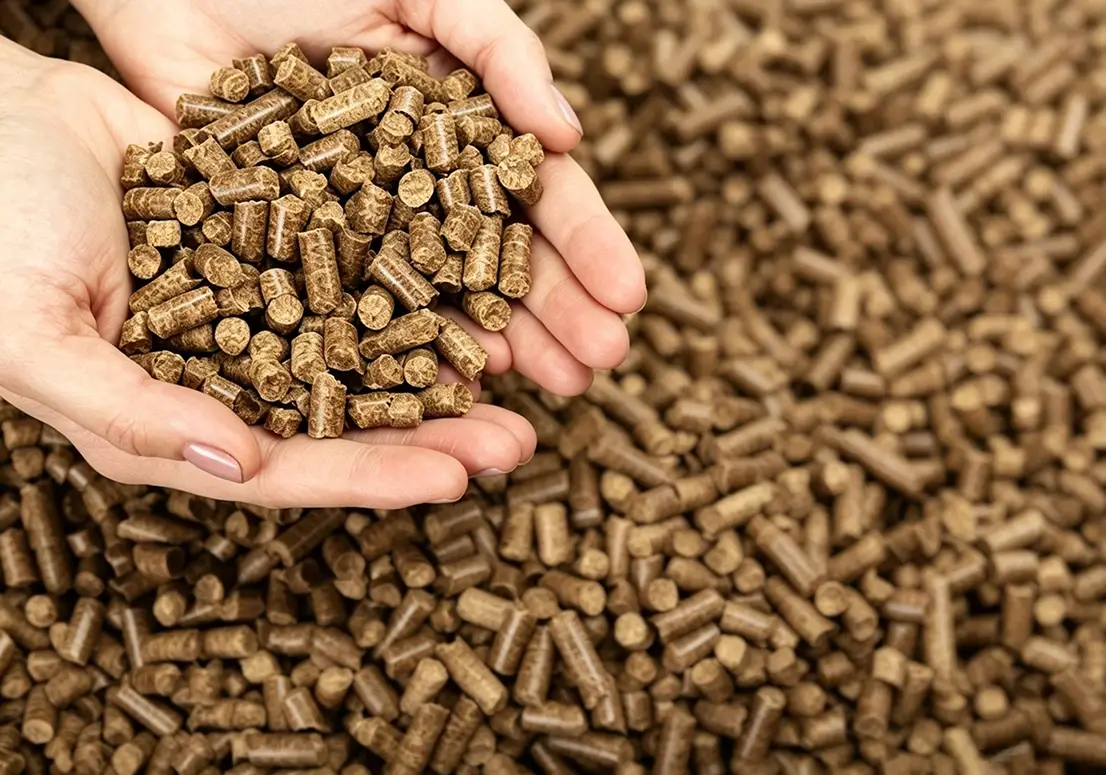
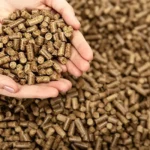
The finished product should be tested against defined requirements. Relevant characteristics may include diameter, length, breakage, dust generation, moisture, and absorbency. A visually attractive pellet is not necessarily suitable if it breaks excessively during transportation.
Cooling and Screening
Pellets may retain heat after forming and should be handled according to the process requirements before packaging. Cooling can help stabilize the product, while screening separates broken particles and material outside the specified size range.
Where the material remains clean and the process permits it, suitable off-size particles may be returned for reprocessing. The recovery system should prevent uncontrolled accumulation and avoid returning contaminated material to the production stream.
Manufacturers researching suitable machinery can Click This Link to review equipment information and prepare questions about material compatibility, capacity, and maintenance. Technical claims should be checked against the actual sawdust and intended product specification.
Choosing Equipment for Continuous Operation
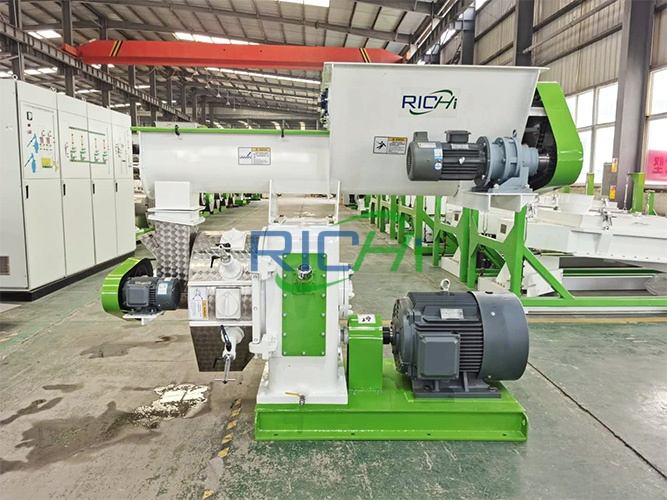
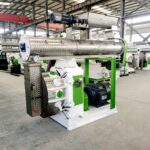
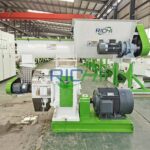
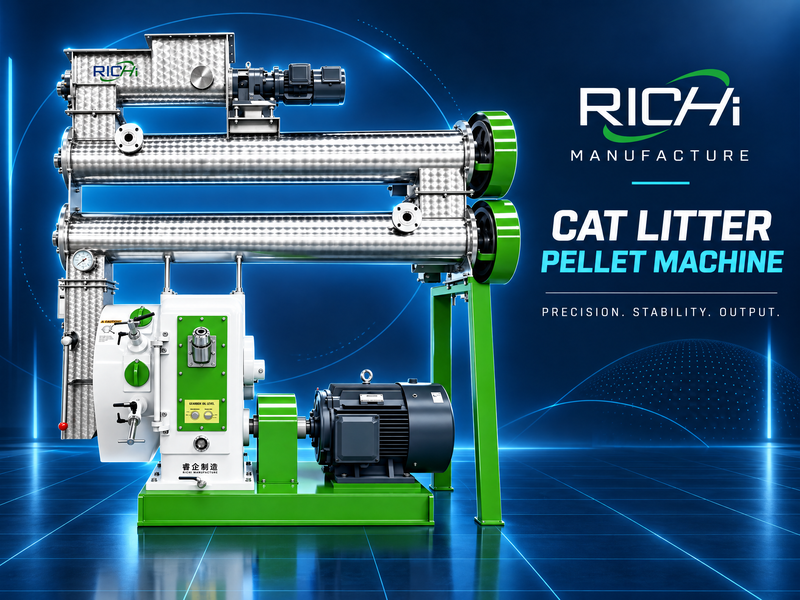
A pellet mill machine should be assessed according to its expected output, drive configuration, wear components, and suitability for the proposed material. Buyers should also evaluate access to replacement dies and rollers, maintenance procedures, and the supplier’s ability to provide technical assistance.
The equipment quotation should specify whether grinding, drying, conveying, cooling, screening, and packaging are included. This distinction is important because the main machine alone does not represent the complete investment required for commercial production.
A material trial can help establish whether the selected machine produces acceptable pellets at the intended operating conditions. The trial should use representative sawdust and a defined quality specification so the results can support an informed purchasing decision.
Connecting Local Resources to Market Demand
Sawdust-based litter projects can be attractive where suitable wood residues are available nearby. Local sourcing may reduce transportation requirements and create a use for material generated by timber or furniture businesses. However, the factory must still establish reliable supply volumes, acceptable material quality, and a commercially viable product.
The business plan should account for raw material handling, energy, labor, packaging, maintenance, and delivery costs. Customer requirements should guide the product specification and packaging choices.
Conclusion: Consistent Input Creates Consistent Output
Wood-based cat litter manufacturing depends on reliable sawdust preparation, appropriate moisture control, stable pelleting, and careful finishing. Equipment selection should reflect the characteristics of the actual raw material rather than general assumptions about wood residues. With a defined quality system and a well-coordinated production route, manufacturers can turn suitable sawdust into a more consistent finished product.
View details: https://www.richimanufacture.com/cat-litter-pellet-machine/