

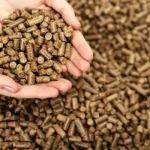
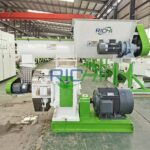


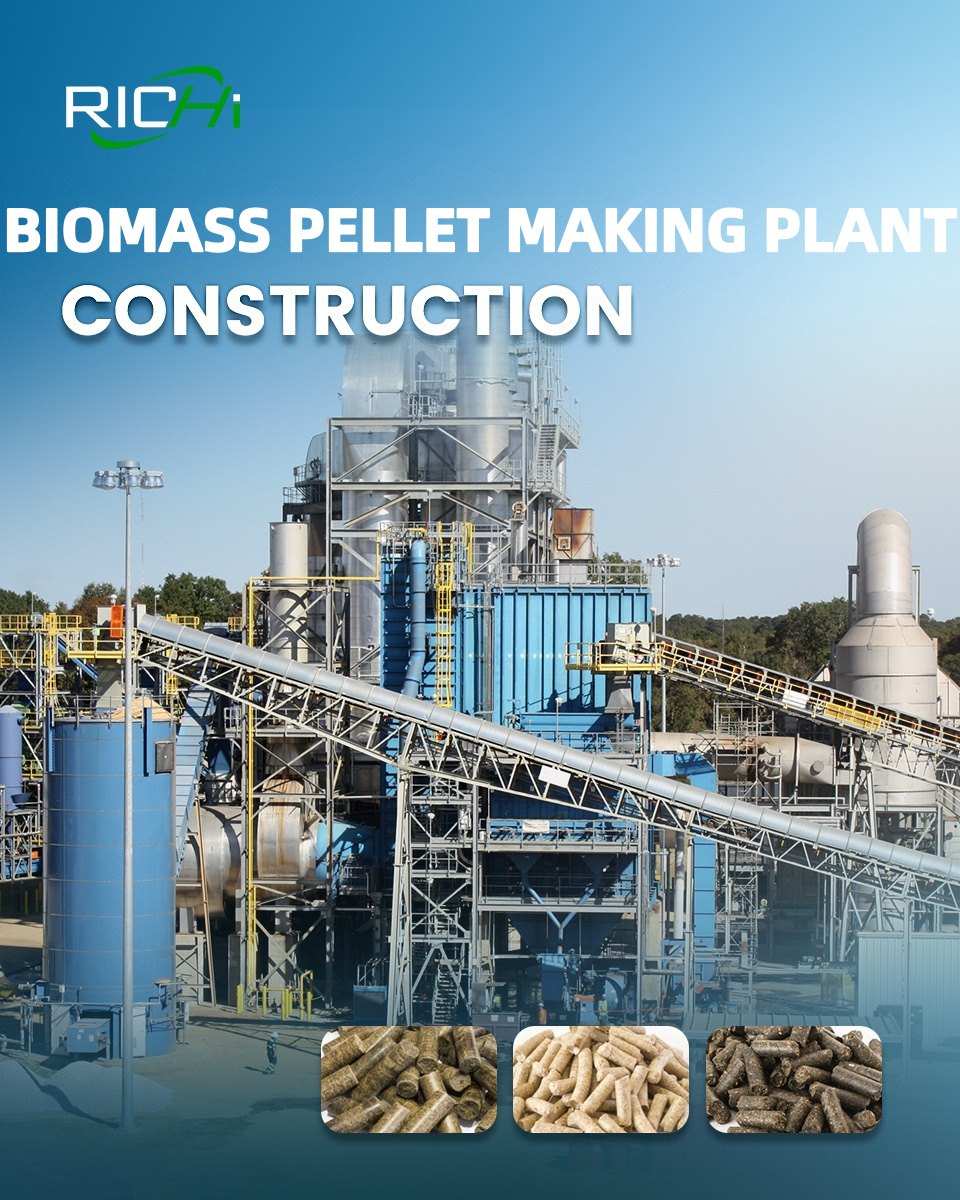
The global transition toward renewable energy has positioned biomass pellets as a clean, sustainable alternative to fossil fuels. A biomass pellet production line transforms agricultural and forestry waste into high-density fuel pellets, delivering both environmental and economic benefits. Modern production systems, featuring competitive biomass pellet making machine price options from leading manufacturers, enable efficient operations that meet growing market demand while reducing carbon emissions .
Understanding Biomass Pellet Production Lines
A biomass pellet production line converts raw materials such as wood chips, sawdust, crop straw, rice husks, and other biomass waste into solid fuel pellets through a series of processing stages . The production process follows a carefully engineered sequence: raw material preparation, chipping and grinding, drying, pelletizing, cooling, screening, and packaging .
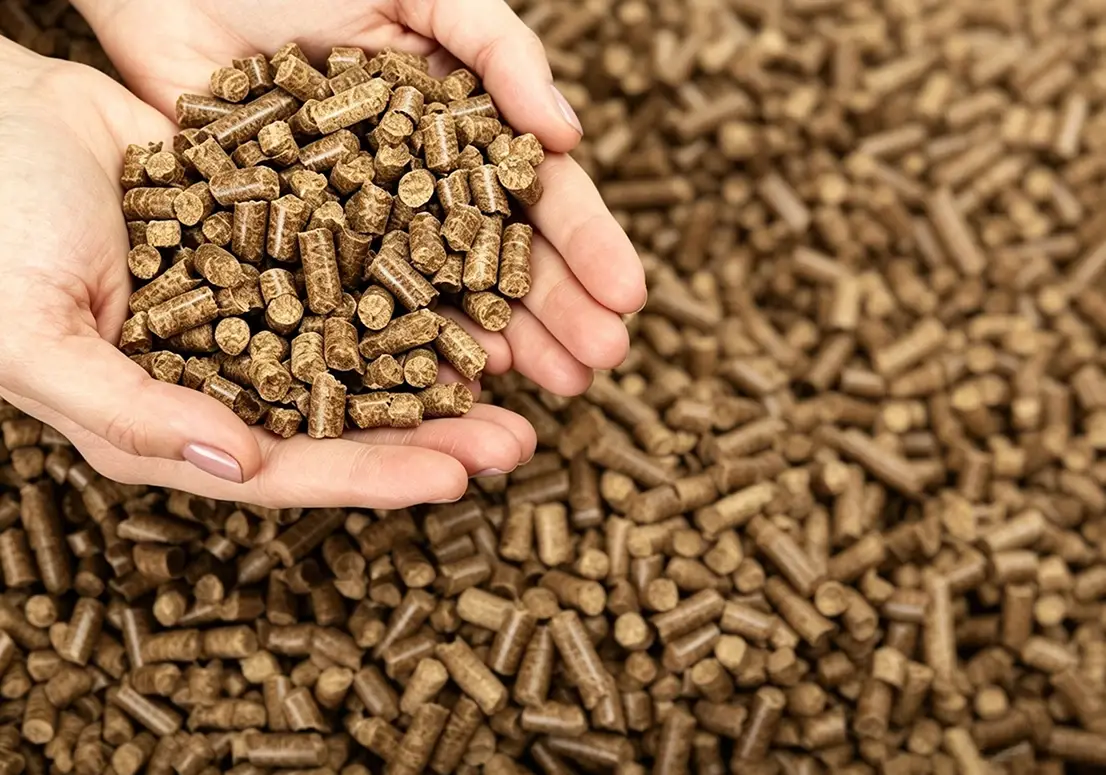
Each stage is critical for achieving consistent pellet quality and optimal combustion performance. Biomass pellets typically have a diameter of 6 to 12 millimeters and serve as clean fuel for household heating, industrial boilers, and power generation . The complete pellet line is designed to handle capacities ranging from 0.5 to 40 tons per hour, with configurations tailored to specific raw material characteristics and production requirements .
Core Equipment and Production Process
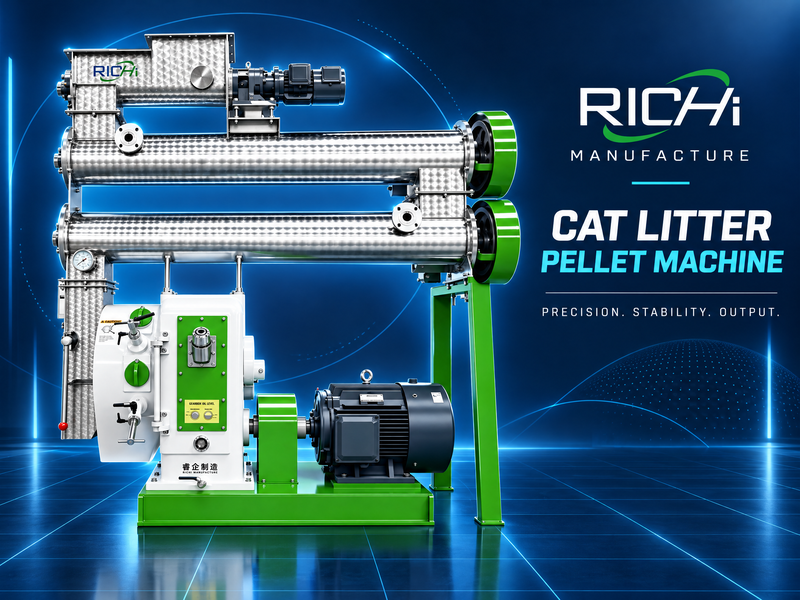
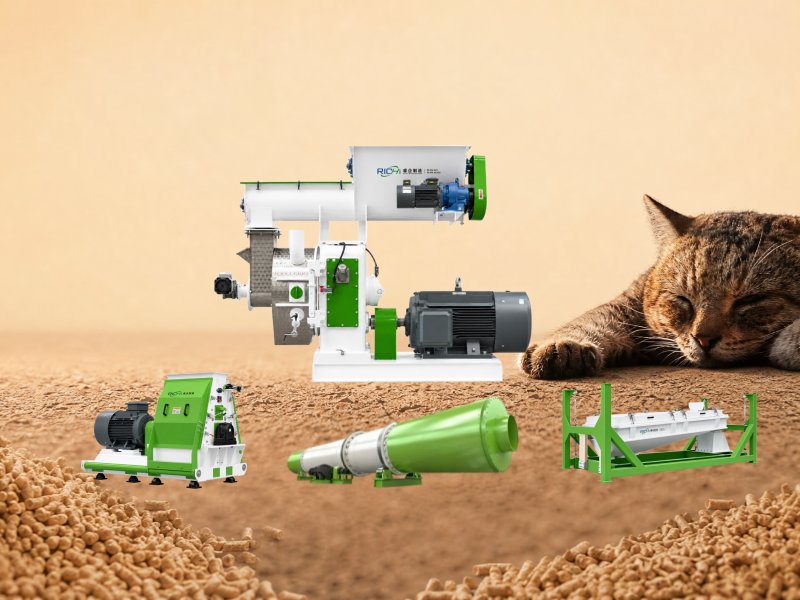
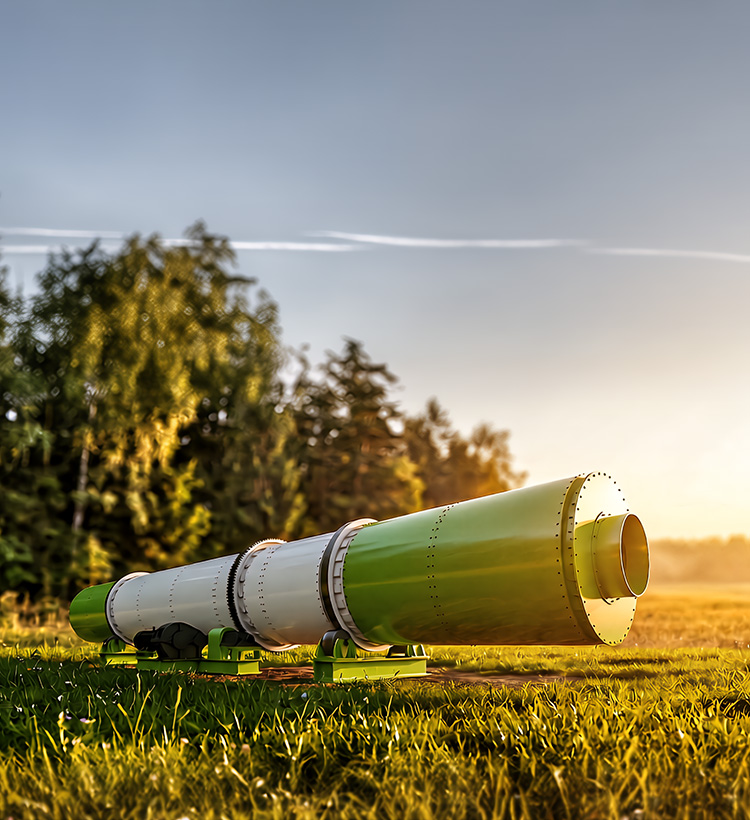
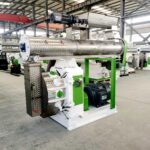
The typical pellet line includes a range of integrated equipment: crushers or hammer mills for size reduction, rotary drum dryers to achieve optimal 12-15% moisture content, ring die pellet mills as the core processing equipment, counter-flow coolers to harden pellets, vibrating screens for quality separation, and automatic packaging systems .
The ring die pellet line operates by forcing prepared material through a rotating ring die under high pressure. During this process, the material’s natural lignin acts as a binder, eliminating the need for chemical additives . The pelletizing temperature is typically maintained at 80-100°C to ensure pellet stability and strength. Freshly formed pellets must be cooled to ambient temperature to prevent deformation and improve hardness .
Cost Considerations and Investment Analysis
The biomass pellet making machine price varies significantly based on capacity, configuration, and automation level. For core pellet mill equipment, prices generally range from $15,100 to $87,500, depending on the model and specifications . Complete production line solutions typically range from $20,000 to $2,100,000 and above, covering all stages from material preparation to final packaging .
For example, a 2.5-3.0 t/h production line typically requires approximately 255 kW motor power and occupies a plant area of 12m x 26m . A fully automated industrial turnkey plant can range from $150,000 to $500,000+, with ROI typically achieved within 10-14 months through low energy consumption (75-85 kWh per ton) and premium pellet market prices .
Quality Standards and Best Practices
Achieving consistent pellet quality requires careful attention to several parameters. Raw material moisture content must be controlled at 12-18% before pelletizing to ensure optimal pellet formation and prevent die blockage . For the most detailed information on equipment specifications and production line configurations, the best site for comprehensive resources provides technical data and case studies from successful installations.
Summary
Investing in a biomass pellet production line offers a strategic opportunity to convert waste into renewable energy. The combination of advanced pellet line technology with integrated processing systems delivers consistent quality and operational efficiency. For detailed specifications and biomass pellet making machine price options, the best site for manufacturer information provides comprehensive solutions tailored to specific capacity requirements and raw material sources.
View details: https://www.richimanufacture.com/biomass-pellet-making-plant/