
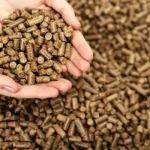
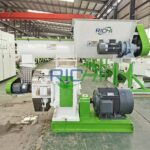


As global aquaculture continues to expand, the demand for nutritionally balanced and high-performance aquafeed is increasing rapidly. A modern aqua feed machine—representing a complete set of aquafeed production and processing equipment—is essential for producing stable, digestible, and cost-effective feed for fish and shrimp farming. This article provides a comprehensive overview of aqua feed machines, including system composition, production process, key advantages, application fields, and selection guidelines, making it suitable for SEO promotion and professional reference.
What Is an Aqua Feed Machine?
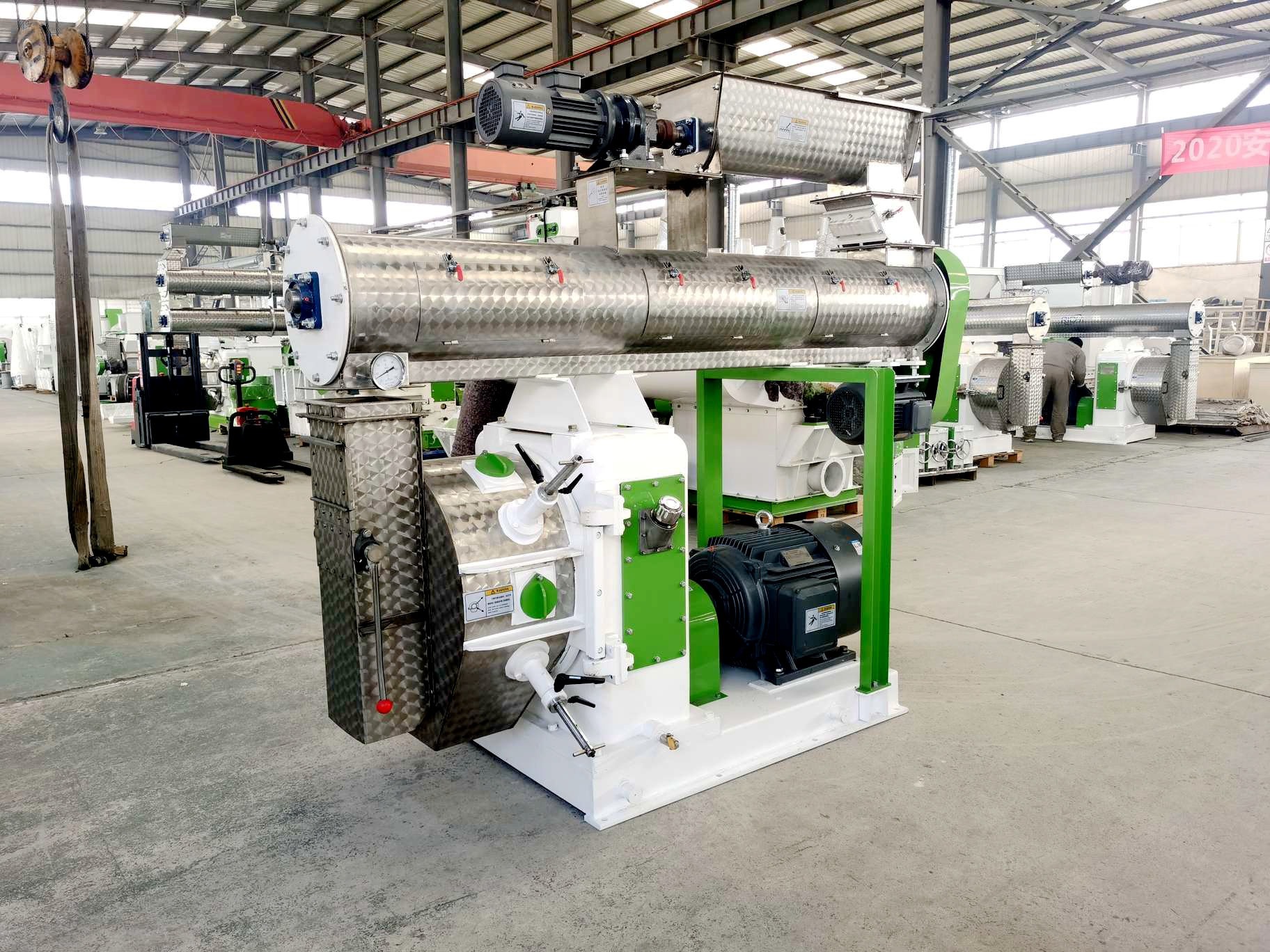
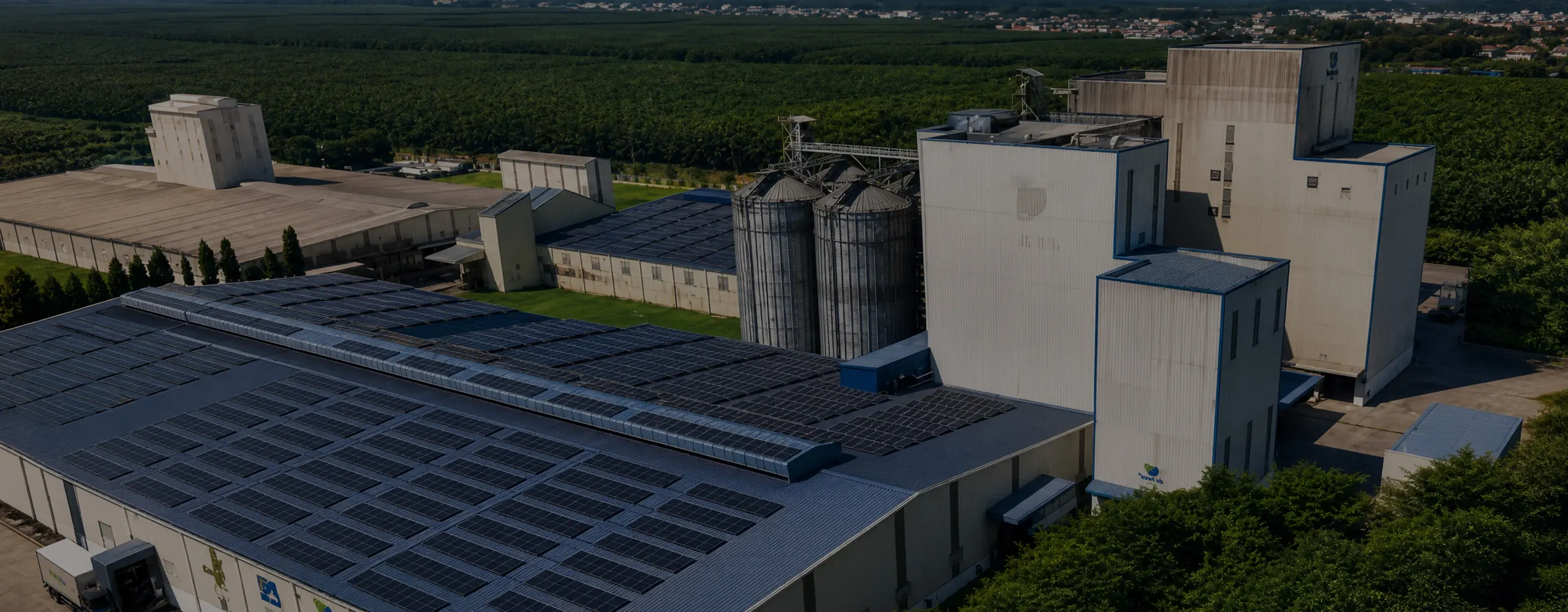
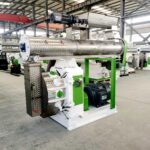
An aqua feed machine refers to an integrated production system rather than a single machine. It includes all equipment required to process raw materials into finished aquafeed, such as crushing, mixing, extrusion or pelleting, drying, cooling, and packaging. A complete aqua feed machine system is also commonly called an efficient fish feed production line or aquafeed manufacturing plant.
Depending on the target species and feed type, aqua feed machines can be designed to produce:
- Floating fish feed
- Sinking fish feed
- Shrimp and prawn feed
- Specialized aquatic feed for different growth stages
Related long-tail keywords include aqua feed production machine, aqua feed processing line, automatic aqua feed machine, and aquafeed manufacturing equipment.
(Useful link: https://pelletisingmachine.com/floating-fish-feed-plant/)
Process Flow of an Aqua Feed Production Line
A professional aqua feed machine follows a well-defined production process to ensure feed quality, water stability, and efficient operation.
- Raw Material Receiving and Cleaning
Common aquafeed ingredients such as corn, wheat flour, soybean meal, fish meal, and additives are cleaned to remove impurities, protecting downstream aqua feed processing machines. - Crushing and Fine Grinding
Hammer mills or fine grinders reduce raw materials to a suitable particle size. Fine grinding is especially important for aquafeed, as it improves pellet integrity and nutrient digestibility. - Batching and Mixing
Automatic batching systems precisely weigh each ingredient according to the feed formula. High-efficiency mixers ensure uniform distribution of nutrients, vitamins, and micro-elements. - Extrusion or Pelleting
This is the core stage of an aqua feed machine system.- Feed extruders are used to produce floating and slow-sinking aquafeed by controlling temperature, pressure, and moisture.
- Pellet mills are applied for sinking fish feed or shrimp feed with higher density.
- Drying
After extrusion or pelleting, feed pellets contain high moisture and must be dried to achieve safe storage and optimal hardness. Belt dryers or multi-pass dryers are commonly used. - Cooling, Screening, and Packaging
Dried pellets are cooled, screened for uniformity, and automatically packed, completing the aquafeed manufacturing process.
Key Advantages of a Modern Aqua Feed Machine
A well-designed aqua feed machine offers multiple advantages for aquafeed producers:
- Excellent Feed Performance
Extrusion technology improves starch gelatinization, resulting in floating feed with high water stability and reduced nutrient leaching. - High Production Efficiency
Automatic aqua feed machines support continuous operation, stable output, and lower labor costs. - Flexible Feed Formulation
Aqua feed processing lines can handle various raw materials and produce feed for different fish and shrimp species. - Customizable Capacity and Layout
From small-scale aqua feed plants to large industrial aquafeed factories, capacity and configuration can be tailored to specific needs. - Energy-Efficient and Durable Design
Modern aquafeed manufacturing equipment focuses on reduced energy consumption and long service life.
Equipment Configuration of an Aqua Feed Machine System
A complete aqua feed machine system typically includes:
- Raw material cleaning equipment
- Hammer mill or fine grinder
- Automatic batching and mixing system
- Single-screw or twin-screw feed extruder / pellet mill
- Dryer and cooler
- Vibrating screen
- Automatic packing machine
Customized engineering design helps optimize plant layout, material flow, and operating efficiency.
Application Areas of Aqua Feed Machines
Aqua feed machines are widely used in:
- Commercial fish feed factories
- Shrimp and prawn feed plants
- Integrated aquaculture and feed production projects
- Export-oriented aquafeed manufacturers
With proper configuration, one aqua feed machine system can produce multiple aquafeed types, enhancing investment flexibility.
How to Choose the Right Aqua Feed Machine
When selecting an aqua feed machine solution, consider:
- Target aquatic species and feed specifications
- Floating or sinking feed requirements
- Production capacity and automation level
- Equipment reliability and maintenance cost
- Technical support and after-sales service
A reliable aqua feed machine should ensure stable operation, consistent feed quality, and long-term production efficiency.
Conclusion
A professional aqua feed machine system is the cornerstone of modern aquafeed manufacturing. By integrating advanced extrusion technology, precise batching, and intelligent control systems, aqua feed machines enable producers to meet the growing demands of the aquaculture industry. Whether for small-scale operations or large industrial plants, choosing the right aqua feed machine is key to achieving efficient, sustainable, and profitable aquafeed production.