


Introduction to Poultry Feed Production Line
A poultry feed line is an integrated processing system designed to manufacture nutritionally balanced feed for poultry species such as chickens, ducks, turkeys, and geese. By converting raw agricultural materials into uniform feed products, these production lines support efficient feeding practices and consistent poultry growth across diverse farming systems.
Poultry feed production lines are used in commercial feed mills, integrated poultry enterprises, and regional feed processing facilities. Their widespread adoption reflects the increasing industrialization of poultry farming and the growing global demand for poultry meat and eggs.
Historical Development of Poultry Feed Manufacturing
In traditional poultry farming systems, birds were fed whole grains or simple mixtures prepared on farms. While sufficient for small-scale operations, these feeding methods often resulted in uneven nutrient intake and limited production efficiency.
The development of industrial feed manufacturing in the 20th century introduced mechanized grinding, mixing, and pelleting processes. These innovations laid the foundation for the modern poultry feed production line. As nutritional science advanced, feed formulations became more precise, and production lines evolved to support higher output, improved feed quality, and standardized manufacturing practices.
Basic Components of a Poultry Feed Production Line
A poultry feed production line consists of multiple interconnected sections, each contributing to the overall efficiency and quality of feed production.
Raw Material Receiving and Storage
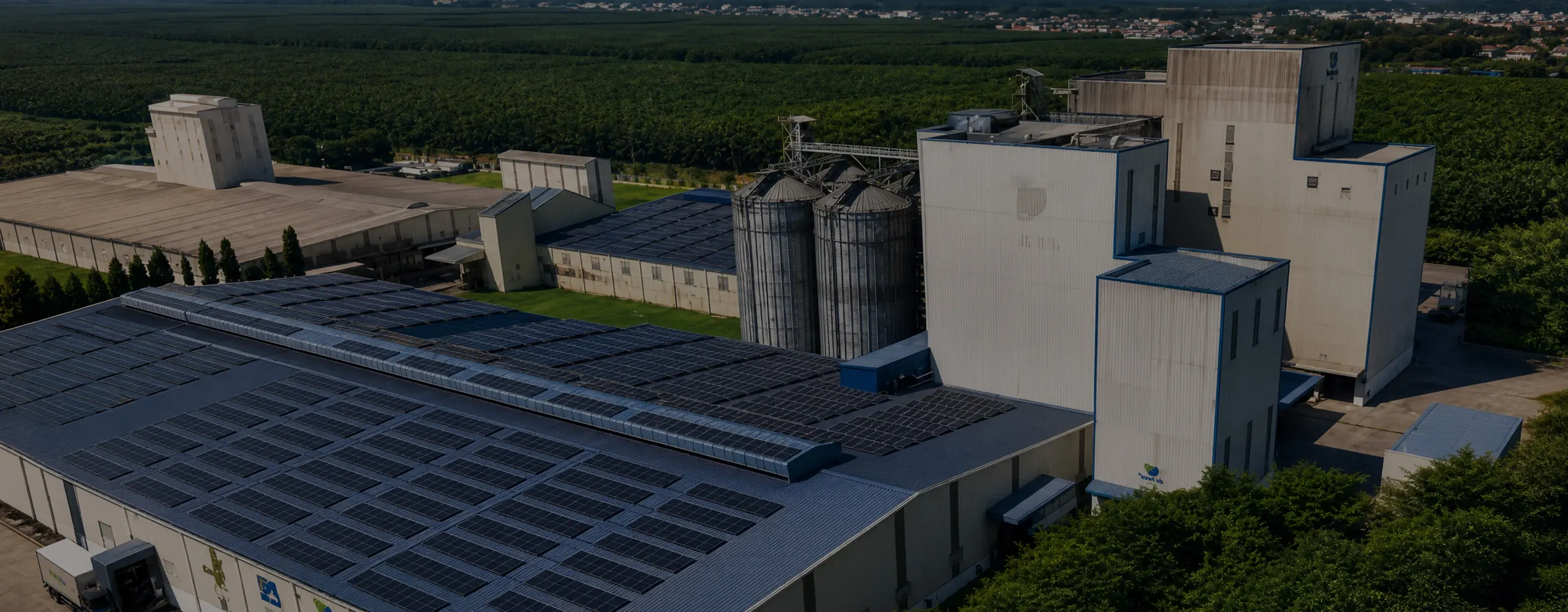
Raw materials such as grains, protein meals, and additives are received and stored in silos or warehouses. Proper storage conditions help maintain ingredient quality and prevent contamination.
Grinding System
Grinding equipment reduces raw materials to appropriate particle sizes. Uniform particle size is essential for effective mixing, pellet formation, and nutrient digestibility.
Mixing System
The mixing system ensures that all ingredients, including vitamins and minerals, are evenly distributed. Accurate mixing is critical for producing nutritionally consistent poultry feed.
Conditioning and Pelleting Process
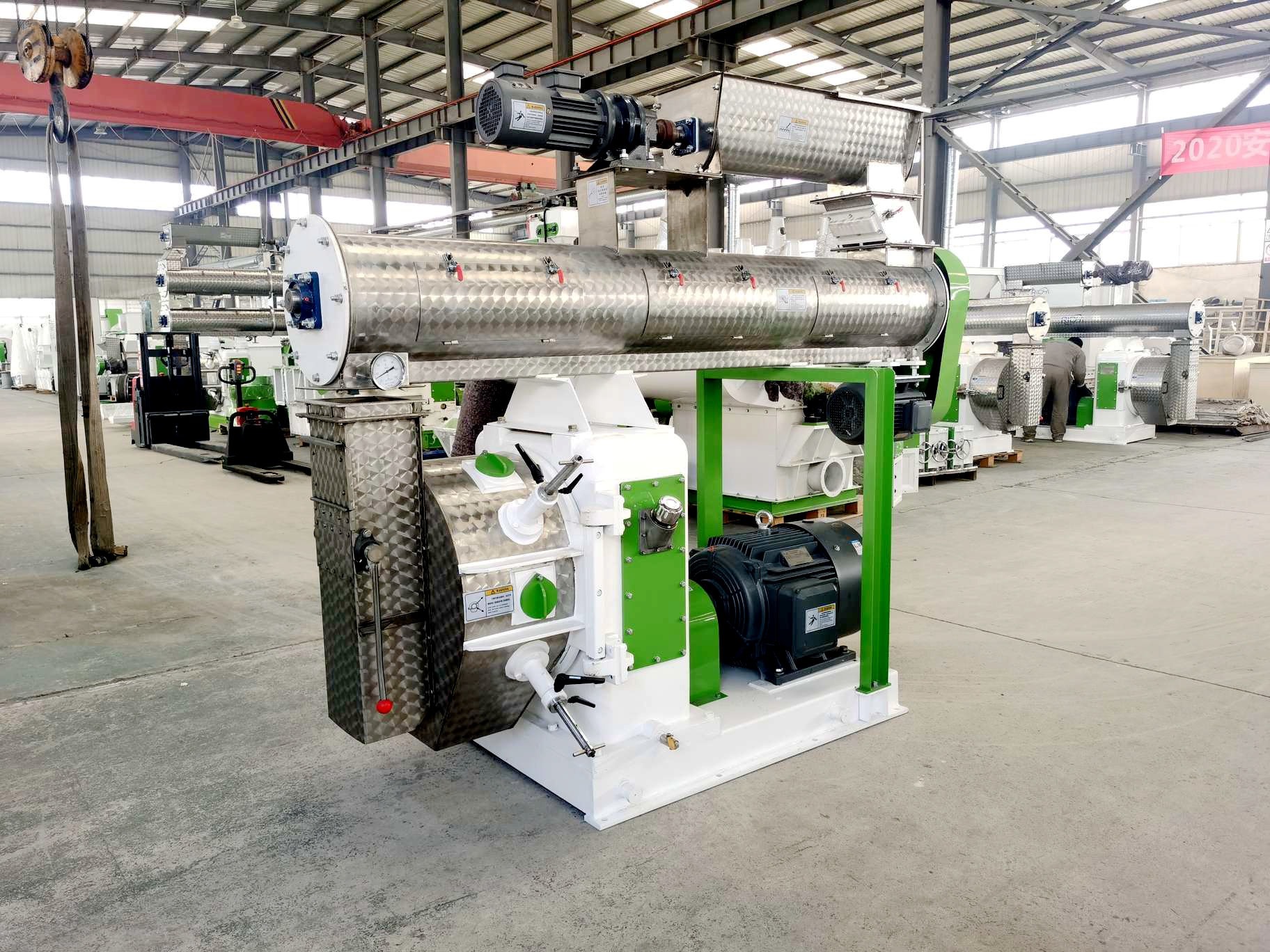
The conditioning and pelleting stage is the core of the poultry feed production line.
Conditioning
Conditioners introduce moisture and heat, often through steam, to the feed mash. This process improves starch gelatinization, enhances pellet durability, and supports efficient pelleting.
Pelleting
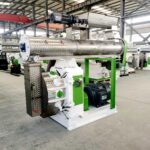
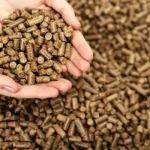
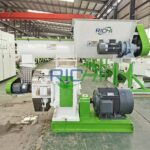
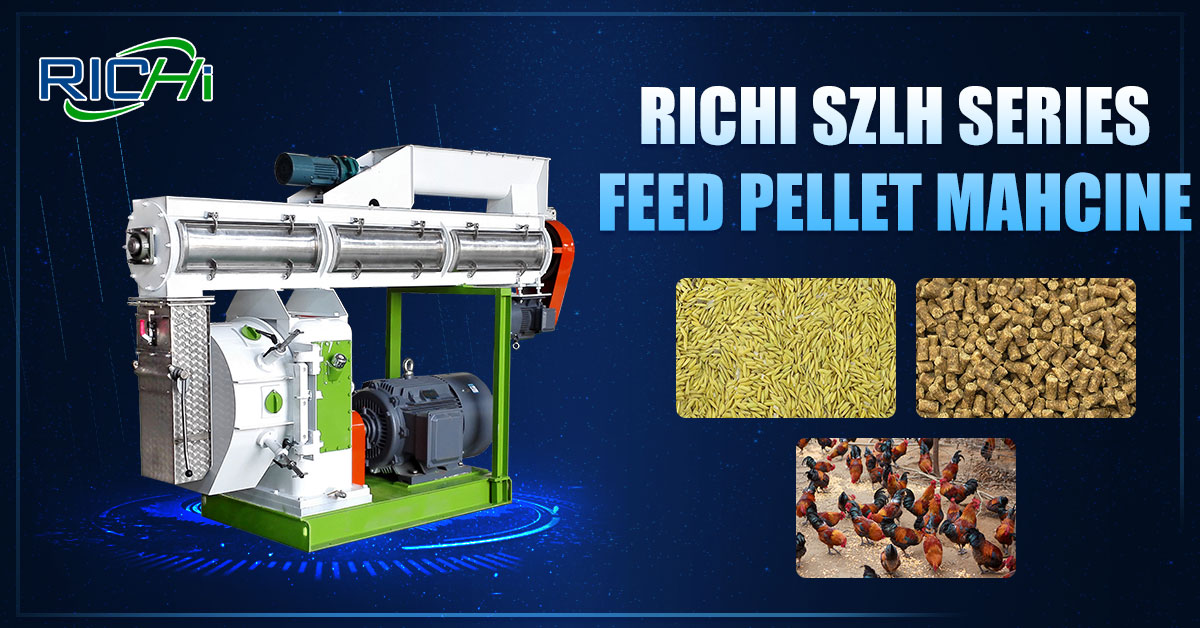
During pelleting, conditioned feed is compressed through a die to form cylindrical pellets. Pellet size and density can be adjusted to suit different poultry species and growth stages.
Manufacturers such as RICHI provide poultry feed production line solutions designed to maintain stable operation and consistent pellet quality under continuous production conditions.
Cooling, Screening, and Crumbling
After pelleting, additional processes stabilize and refine the feed.
Cooling
Freshly produced pellets contain residual heat and moisture. Cooling systems reduce temperature and moisture content, improving pellet stability and storage life.
Screening
Screening separates intact pellets from fines and broken particles. Fines are typically recycled back into the production process.
Crumbling
For young poultry, pellets may be crushed into crumbles. Crumbling systems allow producers to supply feed suitable for chicks and juvenile birds. https://richipelletizer.com/poultry-feed-manufacturing-plant-cost/
Raw Materials Used in Poultry Feed Production
Poultry feed production lines are designed to process a wide range of raw materials, enabling flexibility in feed formulation.
Common ingredients include:
Corn, wheat, and sorghum as energy sources
Soybean meal and sunflower meal as protein sources
Bran and agricultural by-products
Oils and fats for energy density
Vitamin and mineral premixes
The ability to utilize locally available raw materials helps reduce production costs and supports regional feed manufacturing.
Types of Poultry Feed Produced
A poultry feed production line can manufacture various feed types to meet different production objectives.
Starter Feed
Designed for young chicks, starter feed provides high protein content and fine particle size to support early growth.
Grower Feed
Grower feed supports steady development during the intermediate growth stage, balancing protein and energy levels.
Finisher and Layer Feed
Finisher feed promotes efficient weight gain in broilers, while layer feed focuses on egg production, shell quality, and long-term health.
Advantages of Poultry Feed Production Lines
The use of a poultry feed production line offers multiple benefits to feed manufacturers and poultry producers.
Improved feed uniformity and nutritional consistency
Reduced feed waste and improved feed conversion ratios
Enhanced production efficiency and scalability
Better hygiene and compliance with feed safety standards
Lower labor requirements through automation
These advantages contribute to the overall sustainability and profitability of poultry farming operations.
Global Applications and Market Distribution
Poultry feed production lines are used worldwide, with significant adoption in regions experiencing rapid growth in poultry production. Asia, Africa, and South America represent major markets due to increasing demand for affordable animal protein.
International equipment suppliers, including RICHI Pellet Machine, participate in this global market by offering production line configurations tailored to regional raw materials, production capacities, and regulatory requirements.
Installation and Operational Considerations
Successful operation of a poultry feed production line depends on proper installation and management.
Important considerations include:
Adequate power supply and infrastructure
Proper equipment layout and material flow design
Skilled operators and technical training
Regular monitoring of process parameters
Attention to these factors helps ensure stable production and consistent feed quality.
Maintenance and Long-Term Performance
Routine maintenance is essential for maintaining the efficiency and reliability of a poultry feed production line.
Maintenance activities typically include:
Inspection of pellet mill dies and rollers
Lubrication of moving components
Monitoring of motor loads and temperatures
Replacement of worn or damaged parts
With proper maintenance, production lines can operate continuously for extended periods with minimal downtime.
Environmental and Sustainability Aspects
Modern poultry feed production lines are increasingly designed with sustainability in mind. Energy-efficient motors, dust collection systems, and optimized material handling reduce environmental impact.
The ability to process agricultural by-products and alternative feed ingredients further supports environmentally responsible feed production and resource utilization. Click over here now
Future Trends in Poultry Feed Production
Ongoing innovation in automation, digital monitoring, and feed formulation technology continues to shape the future of poultry feed production lines. Smart control systems and data-driven optimization are expected to improve efficiency, traceability, and feed quality in the coming years.
Conclusion
A poultry feed production line is a fundamental component of modern poultry farming infrastructure. By integrating mechanical processing with nutritional science, these systems enable efficient, scalable, and consistent feed production. As global poultry consumption continues to rise, poultry feed production lines will remain essential to ensuring food security and sustainable agricultural development. Poultry Feed Mill In Afghanistan